
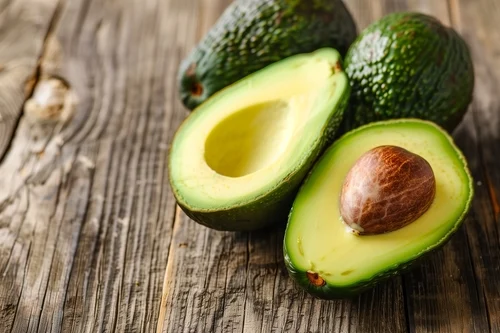
The consumption of any part of the avocado plant by avian species, including backyard chickens and various pet birds, poses a severe and often fatal health risk due to the presence of a fungicidal toxin known as persin. According to the Merck Veterinary Manual and leading avian pathology resources, the avocado—scientifically classified as Persea americana—contains this potent fatty acid derivative in its leaves, fruit, skin, and pit. For poultry keepers and pet owners, the inclusion of even trace amounts of this plant in an animal’s diet can lead to rapid physiological failure, resulting in death within 48 to 72 hours.
The Mechanism of Persin Toxicity
Persin is a naturally occurring fungicidal toxin synthesized by the avocado plant as a defense mechanism against fungal pathogens. While the compound is generally considered safe for human consumption in moderate quantities, its chemical structure proves devastating to the cardiovascular and respiratory systems of many non-human species.

When ingested by birds, the toxin is absorbed into the bloodstream, where it interferes with cellular respiration and mitochondrial function. In chickens and other susceptible birds, the clinical progression of "avocado toxicosis" is typically characterized by respiratory distress, often manifesting as labored breathing or a visible lack of oxygen (hypoxia). As the toxin circulates, it causes damage to the cardiac muscle fibers, frequently culminating in myocardial necrosis—essentially a fatal heart attack.
Historical Context and Chronological Risk
The recognition of avocado toxicity in animals has been documented in veterinary literature for decades. Researchers have long established that the concentration of persin is not uniform across the plant. The leaves and the bark of the avocado tree contain the highest concentrations of the toxin, but the flesh of the fruit and the seed (pit) are also significant carriers.
Historically, the awareness of this danger has been localized primarily within the veterinary community, but as the popularity of backyard poultry keeping has surged globally over the last twenty years, public health concerns have intensified. The timeline of public awareness regarding this issue mirrors the broader rise of urban farming. In the early 2000s, avian veterinary associations began issuing formal advisories to hobbyist farmers, warning that household kitchen scraps, which often include avocado peels and leftover flesh, were becoming a primary vector for accidental poisoning in small flocks.

Susceptibility Across Species
While the focus remains heavily on poultry due to the increasing number of domestic chicken owners, the Merck Veterinary Manual indicates that the threat extends to a wide array of domestic and wild animals. The susceptibility to persin is not limited to birds; it is a cross-species concern.
Species documented as being at high risk for fatal reactions include:
- Avian Species: Chickens, turkeys, ostriches, and various psittacines (parrots and budgerigars).
- Mammalian Species: Mice, rats, rabbits, and guinea pigs.
- Large Livestock: Sheep and horses have also shown significant sensitivity to the plant’s foliage.
The variation in reaction between species is largely attributed to differences in metabolic pathways and the concentration of the toxin ingested relative to the animal’s body weight. For a small bird, even a minimal intake—estimated at approximately 5% of the fruit—can be sufficient to overwhelm the animal’s biological defenses.

Data and Pathological Implications
Clinical data from veterinary studies suggest that there is no known antidote for persin poisoning. Once the toxin has been ingested and the heart muscle begins to undergo necrosis, the clinical prognosis is extremely poor. Symptoms often appear within 12 to 24 hours of ingestion, beginning with lethargy, ruffled feathers, and an inability to maintain an upright posture.
The progression of the condition is swift. Following the initial lethargy, the bird may exhibit severe respiratory gasping. Post-mortem examinations of birds that have died from suspected avocado toxicity consistently reveal hydropericardium (fluid accumulation around the heart) and congestion of the lungs. The rapid nature of this decline makes veterinary intervention difficult, as the damage to the heart muscle is often irreversible by the time clinical symptoms become observable to the owner.
Official Guidelines for Flock Management
To mitigate the risk of accidental exposure, agricultural experts and avian veterinarians provide strict guidelines for poultry management. The primary directive is the absolute exclusion of avocado products from the diet of all avian livestock.

- Strict Dietary Control: Owners must ensure that kitchen scraps containing any portion of an avocado—specifically skins and pits—are disposed of in secure, bird-proof waste receptacles.
- Environmental Hazard Mitigation: For those living in regions where avocados are grown, it is critical to ensure that poultry does not have access to fallen leaves or tree clippings, as these contain higher concentrations of persin than the fruit itself.
- Owner Education: The responsibility falls on the poultry keeper to recognize that "natural" does not always equate to "safe." Many owners erroneously assume that because an item is a whole food, it is suitable for consumption by all animals.
Broader Implications for Sustainable Agriculture
The necessity of keeping avocados away from poultry is a fundamental lesson in the broader study of avian nutrition and safe, sustainable farming. As more individuals move toward self-sufficiency and the production of home-grown food, the need for standardized safety protocols regarding toxic flora becomes paramount.
The economic and emotional impact of losing a flock to accidental poisoning is significant. Beyond the loss of livestock, such incidents underscore the importance of ongoing research into the toxicology of common household plants. While agricultural organizations provide extensive lists of toxic and non-toxic foods, avocado remains at the top of the list for immediate, high-risk items that should never be introduced to a coop.
Conclusion and Future Outlook
The evidence regarding the toxicity of the avocado plant is definitive and supported by extensive veterinary research. For the backyard chicken owner, the risk-to-reward ratio is nonexistent. There is no nutritional necessity for incorporating avocado into a chicken’s diet, and the catastrophic potential for sudden death necessitates a zero-tolerance policy.

As the backyard farming movement continues to mature, it is expected that educational resources will continue to emphasize the dangers of common household toxins. By adhering to the established safety guidelines provided by veterinary professionals, owners can ensure the longevity and health of their flocks, preventing avoidable tragedies linked to one of the most common, yet dangerous, dietary hazards in the poultry-keeping world. For those seeking to provide their birds with optimal health, it is recommended to focus on nutritionally balanced, commercially prepared feeds and a curated selection of known-safe, vitamin-rich vegetables, while ensuring that hazardous materials like the avocado plant are kept entirely off-limits.
