
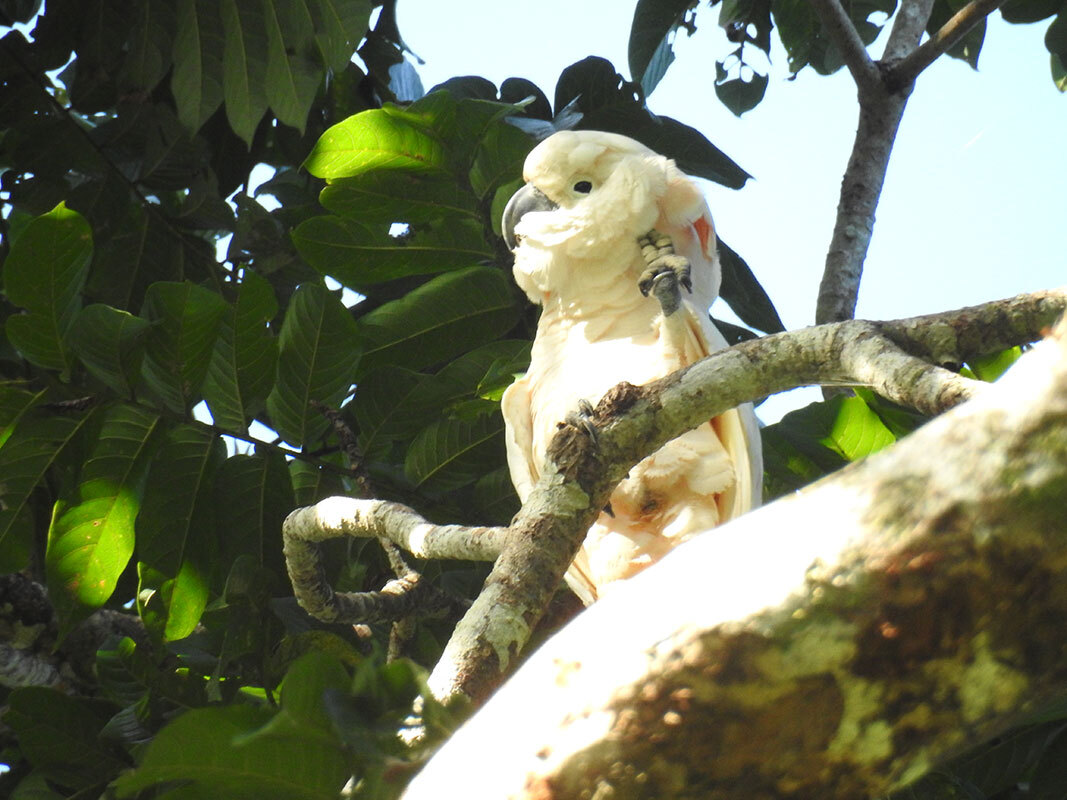
The salmon-crested cockatoo, scientifically known as Cacatua moluccensis, is a breathtaking avian species native to the lush Indonesian island of Seram, the largest and most prominent island in the Maluku province of eastern Indonesia. Characterized by their soulful, dark eyes and magnificent peachy-pink crest feathers, these birds are also renowned for their powerful vocalizations, capable of reaching up to 135 decibels, making them one of the loudest parrots in the avian world. Despite their striking beauty and impressive presence, the Moluccan cockatoo faces a precarious future, classified as endangered due to a confluence of threats including habitat loss and the persistent illegal wildlife trade.
A Species on the Brink: Understanding the Endangered Status
The plight of the Moluccan cockatoo is underscored by its listing on Appendix I of the Convention on International Trade in Endangered Species of Wild Fauna and Flora (CITES) since 1989. This designation signifies that all international trade in wild-caught specimens is strictly prohibited, reflecting the severe threat to their survival. Further compounding their vulnerability, the species is also listed as endangered on the International Union for Conservation of Nature (IUCN) Red List. Historically, their distribution extended to several satellite islands of Seram, including Haruku, Saparua, and Nusa Laut. Tragically, these populations have been declared extinct, leaving their primary stronghold on Seram as the last bastion for the species in the wild. The dramatic decline in their numbers is a stark testament to the devastating impact of human activities, primarily driven by relentless trapping for the pet trade and the relentless destruction of their natural habitat.
The very characteristics that make Moluccan cockatoos so appealing to humans – their intelligence, longevity, and striking appearance – also contribute to their vulnerability. While capable of living exceptionally long lives, with one documented case of a salmon-crested cockatoo reaching 92 years of age, their needs in captivity are substantial. They require extensive space, consistent mental stimulation through enrichment activities, and a meticulously balanced, nutritious diet. The challenges of meeting these complex requirements in captivity amplify the urgency to protect their wild populations, ensuring that this vibrant, intelligent, and majestic bird can not only survive but thrive in its native Indonesian ecosystem.
Cultural Significance: The Huaulu Tribe and the Sacred Cidaku Ritual
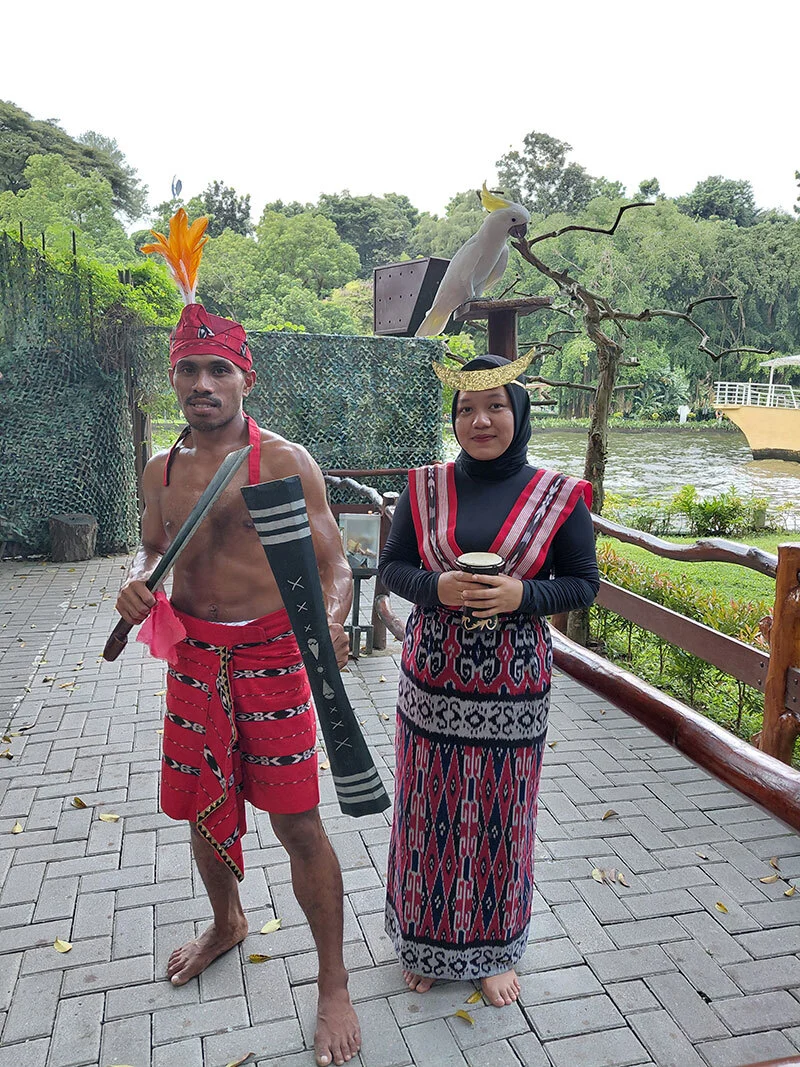
In the remote region of North Seram, the salmon-crested cockatoo, locally known as "lakam," holds profound cultural and spiritual significance for the indigenous Huaulu tribe. The bird is deeply interwoven into their traditions, particularly within the passage-to-adulthood ritual for young men. Between the ages of 12 and 17, boys are expected to undertake a ceremonial hunt to acquire the prized salmon-colored feathers of the Moluccan cockatoo. These feathers are an indispensable component of a traditional headdress called a "puheliam," worn during a significant ritual ceremony known as Cidaku.
The Cidaku ceremony is meticulously organized, adhering to the birth order of the male siblings within a family, and cannot be performed more than once a year for any single family. The symbolic weight of the pink crest feather is paramount; it is irreplaceable and carries deep meaning. It represents the existence of sacred life, embodying the strength, courage, and unwavering stance of the cockatoo when its crest is erect. Furthermore, the crest symbolizes an adult male’s commitment to defending his holiness, self-respect, and maintaining vigilance against threats. This intricate cultural practice highlights a long-standing, albeit often unsustainable, relationship between the Huaulu people and the Moluccan cockatoo.
A Landmark Agreement: Bridging Tradition and Conservation

Recognizing the critical conservation status of the Moluccan cockatoo and the cultural importance of the Cidaku ritual, a groundbreaking agreement was forged in 2019 between the Perkumpulan Konservasi Kakatua Indonesia (KKI), an Indonesian non-governmental organization dedicated to cockatoo conservation, and the Huaulu indigenous community. KKI, through its Rehabilitation Center, proposed an innovative solution: to provide molted salmon-crested cockatoo feathers for the Cidaku ceremony.
This proposal was met with agreement from the Huaulu community and relevant stakeholders. In October 2019, a formal agreement was signed by the Head of Huaulu village, with the acknowledgment and endorsement of several local officials and even the Ministry of Forestry. This landmark pact represented a monumental stride towards safeguarding wild Moluccan cockatoos. By offering a sustainable and ethical alternative to hunting wild birds, the agreement aimed to reconcile the needs of the Huaulu tribe with the imperative of preserving this endangered species.
Ongoing Challenges and Future Directions
Despite the success of this historic agreement, the path to ensuring the long-term survival of the Moluccan cockatoo remains fraught with challenges. Monitoring the adherence to the Cidaku traditional ceremonies to ensure they no longer utilize feathers from wild-caught cockatoos is a complex undertaking. Not all parties involved have fully embraced the feather collection program, and traditional practices can be deeply entrenched.
However, KKI remains steadfast in its commitment to honoring the agreement. The organization continues to supply crest feathers from its rehabilitation facility, ensuring that the Huaulu tribe can continue their vital cultural traditions without further endangering wild populations. Crucially, KKI maintains intensive communication and engagement with the Huaulu tribe. This includes conducting workshops and educational sessions with the community, which have consistently seen strong attendance and participation from tribe members. These initiatives are designed to foster a deeper understanding of the ecological importance of the Moluccan cockatoo and the urgent need for its conservation.
Looking ahead, KKI harbors ambitious plans to expand its conservation efforts. The organization aims to develop additional conservation programs that actively involve the Huaulu community. A key initiative includes the formation of a dedicated "Parrot Squad," a community-based monitoring and enforcement team. Furthermore, KKI is collaborating with the tribe to explore and develop alternative income-generating opportunities. These may include ecotourism ventures, which can provide economic benefits to the community while simultaneously fostering a greater appreciation for their natural heritage and the invaluable role of the Moluccan cockatoo in their local ecosystem. By empowering the Huaulu community and providing sustainable alternatives, KKI hopes to foster a sense of shared responsibility and ownership in the conservation of this magnificent species, ultimately improving its conservation status and securing its future for generations to come.

The ongoing commitment to conservation and the innovative approach taken by KKI, in partnership with the Huaulu tribe, offer a beacon of hope for the salmon-crested cockatoo. This collaboration underscores the potential for successful conservation outcomes when cultural sensitivities are respected and integrated with scientific efforts. The future of this iconic bird hinges on the continued dedication of conservationists, the active participation of local communities, and a global recognition of the intrinsic value of biodiversity.
This month, Lafeber is proud to support KKI’s vital conservation initiatives aimed at protecting the magnificent salmon-crested cockatoo.
