
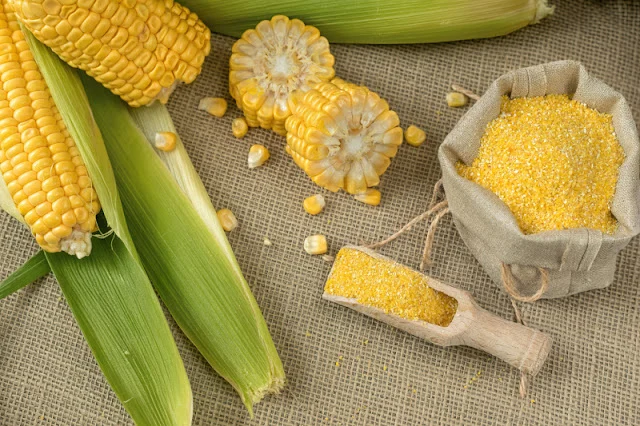
The debate surrounding the inclusion of corn in avian diets has intensified among backyard poultry enthusiasts, centering on the physiological effects of grain digestion during extreme weather conditions. While corn remains a staple of agricultural feed globally, its application in small-scale poultry management requires a nuanced understanding of avian thermoregulation, nutritional biochemistry, and seasonal metabolic shifts. Agricultural experts and avian physiologists suggest that while corn is a versatile and energy-dense food source, its form and timing of delivery are critical factors in maintaining flock health. By examining the metabolic processes of Gallus gallus domesticus, poultry keepers can optimize the use of corn to support both internal heat production in winter and hydration during the summer months.
The Physiological Mechanism of Thermogenesis in Poultry
To understand the controversy regarding corn consumption, one must first examine the avian digestive process. Chickens are endothermic organisms that maintain a high internal body temperature, typically between 105°F and 107°F (40.5°C to 41.7°C). The process of digesting complex carbohydrates and fibrous grains involves significant muscular activity within the gizzard and chemical breakdown in the proventriculus.

When a chicken consumes whole or cracked dried corn, the grain is stored in the crop before moving to the gizzard. The mechanical grinding of these dense kernels requires sustained energy expenditure. This metabolic activity generates "heat of increment," a byproduct of the digestive process. During the overnight hours, as the bird processes the contents of its crop, this internal heat production serves as a biological furnace. This mechanism is the primary reason why dried corn has traditionally been recommended as a "bedtime snack" during sub-zero temperatures. The sustained release of energy helps the bird maintain its core temperature against the external cold, reducing the risk of frostbite and hypothermia.
Seasonal Feeding Protocols: Winter Energy vs. Summer Heat Stress
The distinction between dried and fresh corn is the focal point of modern poultry management strategies. In the winter, dried cracked corn is a primary component of "scratch grains." These are supplemental feeds designed to encourage natural foraging behavior and provide high-caloric intake. Data from agricultural extension offices indicates that corn-based scratch should constitute no more than 10% of a bird’s total diet, as it lacks the complete protein profile required for optimal egg production. However, as a supplemental heat source, its efficacy is well-documented.
Conversely, the "summer corn myth" suggests that feeding corn during heatwaves can lead to fatal overheating. While the thermogenic effect of digesting dried corn is real, experts clarify that a handful of corn is unlikely to cause spontaneous combustion or immediate heat stroke. The danger lies in the cumulative effect of high-starch diets during periods when birds are already struggling to dissipate heat through panting and wing-spreading.

During the summer, the strategy shifts toward fresh corn. Unlike its dried counterpart, fresh corn on the cob has a high moisture content and lower caloric density per volume. It serves as both a nutritional supplement and an enrichment activity. When provided cold or frozen, fresh corn kernels can actually assist in lowering a bird’s core temperature while providing essential hydration.
Nutritional Profile and Biochemical Benefits
Beyond its role as a carbohydrate source, corn contains a complex array of micronutrients essential for avian vitality. Journal reports on poultry science highlight several key components found in various parts of the corn plant:
- Antioxidants and Carotenoids: Corn is rich in xanthophylls, the pigments responsible for the deep yellow hue of egg yolks and the healthy yellow skin (shanks) of certain chicken breeds.
- Vitamins B6 and C: These support metabolic function and immune system resilience. Vitamin B6 is particularly vital for protein metabolism and the synthesis of neurotransmitters.
- Minerals: Corn provides magnesium, phosphorus, potassium, and niacin. Potassium acts as an electrolyte, which is crucial for birds during heat stress to prevent dehydration and metabolic acidosis.
- Fiber and Complex Carbohydrates: The high fiber content aids in digestive motility, while complex carbs provide sustained energy levels rather than the rapid spikes associated with simple sugars.
The Value of Corn Byproducts: Husks, Silks, and Cobs
A comprehensive approach to poultry nutrition includes the utilization of the entire corn plant. Often discarded in human food preparation, corn husks and silks offer specific medicinal and nutritional advantages for poultry and waterfowl.

Corn silk, the long thread-like fibers found under the husk, is a concentrated source of Vitamin K. In avian medicine, Vitamin K is essential for the synthesis of proteins required for blood coagulation. Furthermore, corn silk contains phenolic compounds that act as anti-inflammatories. Observations in mixed-species flocks show that ducks are particularly fond of corn silk, which can help manage blood pressure and support kidney function in waterfowl.
The husks provide insoluble fiber, which, while not highly digestible, aids in the mechanical cleaning of the digestive tract. Even the cobs, once stripped of kernels, serve as environmental enrichment. Foraging for the remaining fragments of the germ and endosperm provides mental stimulation, which is a key factor in reducing feather-pecking and other stress-induced behaviors in confined flocks.
Risk Assessment: Obesity and Metabolic Disorders
Despite its benefits, corn is frequently referred to by veterinarians as "chicken candy" due to its high starch content. Over-reliance on corn can lead to significant health complications, most notably Fatty Liver Hemorrhagic Syndrome (FLHS). This condition occurs when excessive caloric intake leads to the deposition of fat in the liver, making the organ friable and prone to fatal ruptures.

Heavy breeds, such as Orpingtons or Brahmas, and certain domesticated duck species like Pekins, are genetically predisposed to rapid weight gain. For these birds, corn must be strictly rationed. The broader impact of an imbalanced diet also includes a decrease in egg production, as fat deposits can interfere with the reproductive tract and lead to "internal laying" or egg peritonitis.
Chronology of Modern Poultry Diet Evolution
The role of corn has shifted significantly over the last century:
- Early 20th Century: Corn was the primary "free-range" supplement, valued for its storage stability and low cost.
- 1950s-1980s: The rise of commercial "complete feeds" began to categorize corn as a "filler," emphasizing the need for balanced amino acids like lysine and methionine which corn lacks.
- 2000s-Present: The resurgence of backyard homesteading has brought a return to "old-timer" methods, combined with modern scientific scrutiny. This has led to the current consensus that corn is a seasonal tool rather than a dietary foundation.
Expert Analysis and Broader Implications
Agricultural analysts suggest that the responsible use of corn in poultry management reflects a broader trend toward sustainable, circular food systems. By feeding garden scraps and corn byproducts to poultry, households reduce organic waste while converting low-value cellulose and starch into high-value protein (eggs and meat).

Furthermore, the "seasonal feeding" philosophy aligns with natural avian cycles. In the wild, birds encounter different food sources based on the time of year—high-protein insects in the spring and high-energy seeds and grains in the autumn and winter. Mirroring this cycle by providing dried corn in the winter and fresh, hydrating produce in the summer supports the natural biological rhythms of the flock.
Conclusion and Best Practices for Poultry Keepers
In summary, the question of whether chickens can eat corn is answered with a definitive "yes," provided that the keeper adheres to the principles of moderation and seasonal appropriateness. The consensus among poultry experts involves several key recommendations:
- Winter Strategy: Offer cracked corn or scratch grains in the late afternoon to fuel the overnight "digestive heater."
- Summer Strategy: Limit dried corn. Instead, provide fresh or frozen corn on the cob to assist with hydration and cooling.
- Nutritional Balance: Ensure that corn never exceeds 10% of the total daily intake to prevent obesity and nutrient deficiencies.
- Waste Reduction: Utilize silks and husks to provide Vitamin K and fiber, particularly for waterfowl.
By treating corn as a functional supplement rather than a primary feed, poultry owners can leverage its caloric and nutritional benefits to maintain a healthy, resilient flock throughout the changing seasons. The controversy, it seems, is less about the grain itself and more about the education of the keeper in applying it correctly within the complex framework of avian physiology.
