
The act of feasting, traditionally defined as the consumption of an elaborate meal to mark a special occasion, often conjures images of familial gatherings, abundant food, and shared merriment. For many, this definition resonates deeply with the spirit of Thanksgiving, a holiday celebrated with meticulously prepared tables, cherished china, and the finest seasonal fare, all enjoyed in the company of loved ones. Beyond the culinary aspects, the definition of feasting extends to the entertainment that accompanies such events – engaging in games, pursuing hobbies, enjoying outdoor activities, or sharing in cinematic experiences. Increasingly, for a growing segment of the population, this entertainment includes the captivating spectacle of backyard bird feeders.
This shared appreciation for nature’s avian visitors has prompted a unique perspective on how to extend the spirit of feasting to the wild birds that frequent our yards. The concept of "feasting with our feathered friends" reframes the traditional notion of indulgence, encouraging individuals to consider their avian neighbors as honored guests, deserving of a similarly well-appointed "table." This approach emphasizes providing high-quality sustenance and a welcoming environment, thereby enhancing the natural beauty and ecological richness of one’s own backyard.
The Foundation of a Feathered Feast: Quality Sustenance
At the heart of any successful feast, whether human or avian, lies the quality of the offerings. For backyard birds, this translates to providing a diverse and nutritious menu. The cornerstone of this avian banquet typically begins with a foundation of high-quality seed blends. These blends, carefully formulated, offer a balanced mix of essential nutrients. Common ingredients include sunflower seeds, which are rich in fat and protein, appealing to a wide range of species. Millet and cracked corn are also popular, providing carbohydrates for energy.
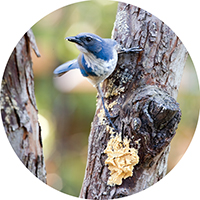
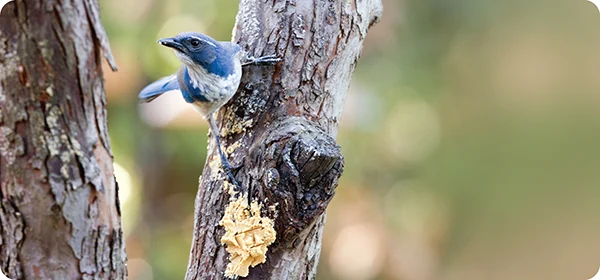
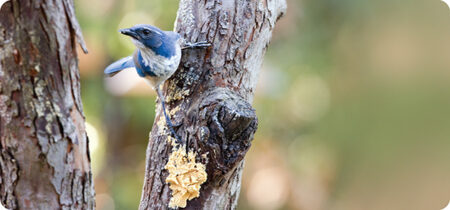
Beyond basic seed mixes, specialized offerings play a crucial role in elevating the avian dining experience. Suet, a high-energy food source, is particularly valuable, especially during colder months when natural food sources become scarce. Suet cakes, often infused with seeds, nuts, or insects, provide a concentrated burst of calories essential for birds to maintain their body temperature and energy levels. For smaller birds like finches and siskins, Nyjer® seed, a tiny, oil-rich seed, is a highly sought-after delicacy. Its small size and nutritional content make it an ideal food source for these specialized feeders.
To further diversify the avian palate and attract a wider array of species, consider incorporating other delectable items. Whole peanuts, offered in appropriate feeders, are a favorite among jays, woodpeckers, and chickadees. Bark Butter® products, a proprietary blend of suet, peanut butter, and corn, have gained popularity for their ability to attract a remarkable variety of birds, including those that may not typically visit seed feeders. Specialty seed blends, such as "Winter SuperBlend®," are often formulated with ingredients specifically chosen to provide optimal nutrition and appeal during the challenging winter months.
Beyond the Seeds: The Importance of Water and a Welcoming Environment
A true feast is never complete without hydration, and this holds true for our feathered guests. A consistent supply of fresh, clean water is as vital as food, especially during times of drought or when natural water sources freeze over. Bird baths, kept clean and regularly refilled, serve as essential watering holes. In colder climates, heated bird baths can provide a crucial water source throughout the winter, significantly increasing the appeal of a yard to resident and migratory birds alike.
The "table" itself, meaning the feeders and the surrounding environment, also requires meticulous attention. Clean feeders are paramount to preventing the spread of disease among bird populations. Regular cleaning, using a mild soap and water solution, followed by thorough rinsing and drying, ensures a healthy dining experience for all visitors. Likewise, the area around feeders should be kept reasonably tidy, free from excessive debris that could harbor pests or pose a hazard to birds.

The Unexpected Entertainment: Birds as Hosts
The definition of feasting often includes entertainment, and the presence of birds at feeders can provide a continuous and captivating show. The sheer diversity of species that can be attracted to a well-stocked feeder offers endless opportunities for observation and enjoyment. From the acrobatic displays of chickadees to the bold presence of jays and the delicate flutter of finches, each species brings its own unique charm and behavior to the backyard stage.
The act of observing these birds can be a deeply rewarding experience, offering a connection to the natural world that is both calming and invigorating. This passive entertainment requires no elaborate setup; simply the provision of food and water, and the patience to observe, can unlock a world of avian activity. The dynamic interactions between different species at the feeder, the territorial disputes, the courtship rituals, and the sheer joy of their aerial acrobatics can be more engaging than many manufactured forms of entertainment.
A Deeper Connection: The Role of Shade-Grown Coffee
In a thoughtful extension of the "feasting with feathered friends" concept, the article highlights a unique way humans can partake in their own feast while simultaneously contributing to the well-being of migratory birds. The suggestion to enjoy a cup of shade-grown, bird-friendly coffee alongside a slice of pie is a powerful illustration of this symbiotic relationship.
Shade-grown coffee farms are cultivated beneath the canopy of native trees, mimicking natural forest ecosystems. This practice preserves vital habitat for a multitude of bird species, particularly North American migratory songbirds that spend their winters in tropical regions. By supporting shade-grown coffee, consumers directly contribute to the preservation of these crucial wintering grounds. This means that the forests remain intact, providing essential food, shelter, and breeding opportunities for birds that will later grace our backyard feeders.
This connection underscores a broader understanding of our role in the environment. It suggests that our choices, even in seemingly simple acts like selecting our morning coffee, can have a profound impact on the lives of wildlife. It transforms the act of enjoying a personal indulgence into an opportunity to actively participate in conservation efforts.
Expanding the Circle of Generosity: Beyond the Feast
The sentiment of gratitude and generosity that characterizes the Thanksgiving season can extend beyond our immediate human circle. The article points to additional resources for those seeking to further express their appreciation and support for birds. "7 Simple Actions" suggested by organizations like the Cornell Lab of Ornithology offer practical, actionable steps that individuals can take to benefit bird populations. These actions might include creating bird-friendly habitats in their yards, reducing pesticide use, or supporting conservation initiatives.
Furthermore, the existence of resources like the WBU Nature Centered Podcast, with its episode specifically titled "Feasting with Feathered Friends," demonstrates a growing interest and commitment to educating the public about backyard birding and conservation. Such platforms provide valuable insights from experts, sharing knowledge on attracting a wider variety of birds, understanding their needs, and deepening our connection with the natural world.
The Broader Impact and Implications
The concept of "feasting with our feathered friends" is more than just a whimsical notion; it represents a shift in human-nature interaction. It encourages a mindful and reciprocal relationship with the environment, where human enjoyment is intertwined with ecological responsibility. By actively providing for the needs of birds, individuals not only enhance their own lives through the pleasure of observation and connection but also contribute to the health and sustainability of bird populations.

This approach has several positive implications:
- Enhanced Biodiversity: By offering diverse food sources and habitats, individuals can attract a greater variety of bird species to their local areas, contributing to regional biodiversity.
- Increased Conservation Awareness: The act of engaging with birds at a personal level often fosters a deeper appreciation for their ecological importance and the challenges they face, leading to increased support for conservation efforts.
- Personal Well-being: Spending time observing and interacting with nature has been widely linked to reduced stress, improved mood, and enhanced overall mental well-being. Backyard bird feeding provides an accessible and consistent avenue for these benefits.
- Educational Opportunities: For families, backyard bird feeding offers a natural and engaging way to teach children about wildlife, ecology, and the importance of environmental stewardship.
The acknowledgment of trademarks, such as Nyjer® by the Wild Bird Feeding Institute, and the branding of specific products like Bark Butter®, highlight the commercial aspect of this growing hobby. However, the underlying message transcends commerce, focusing on the fundamental desire to connect with nature and contribute to its preservation.
In conclusion, the idea of "feasting with our feathered friends" offers a rich and meaningful way to celebrate the abundance of the season, both for ourselves and for the wild birds that share our world. It encourages a thoughtful approach to sustenance, a commitment to providing essential resources, and a recognition of the reciprocal benefits of a harmonious relationship with nature. By extending the spirit of generosity to our avian companions, we not only enrich their lives but also deepen our own connection to the natural world, transforming our backyards into vibrant ecosystems and our daily lives into opportunities for mindful engagement and conservation. The simple act of refilling a feeder or providing fresh water becomes a powerful statement of our commitment to the well-being of these remarkable creatures and the broader environment they inhabit.
