
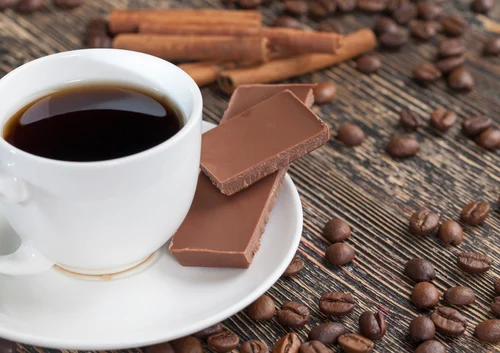
The burgeoning trend of backyard chicken keeping has brought millions of households into closer contact with avian biology, yet this proximity often leads to dangerous misconceptions regarding poultry nutrition. Among the most significant risks to domestic flocks is the accidental or intentional feeding of human treats, specifically those containing chocolate and caffeine. While these substances are staples of the human diet, they contain chemical compounds that act as potent toxins in the avian system. Agricultural experts and veterinary toxicologists warn that even trace amounts of methylxanthines—the class of chemicals including caffeine and theobromine—can trigger catastrophic physiological failures in chickens, ranging from severe cardiac arrhythmia to sudden death. As the "farm-to-table" movement encourages more families to raise their own egg-layers, understanding the biochemical incompatibility between chickens and these common stimulants has become a critical component of responsible flock management.
The Biochemistry of Toxicity: Methylxanthines and Theobromine
To understand why chocolate and caffeine are lethal to poultry, one must examine the chemical composition of these substances. Chocolate is derived from the cacao bean, which naturally contains two primary stimulants: caffeine and theobromine. Both belong to a group of alkaloids known as methylxanthines. While humans have evolved efficient metabolic pathways to break down and excrete these compounds, chickens—and many other domestic animals, including dogs and cats—process them much more slowly and inefficiently.
Theobromine is particularly hazardous. It acts as a central nervous system stimulant, a diuretic, and a cardiac stimulant. In chickens, the inability to rapidly metabolize theobromine leads to a toxic buildup in the bloodstream. This accumulation interferes with the bird’s cellular processes, specifically by inhibiting adenosine receptors and increasing the levels of intracellular cyclic adenosine monophosphate (cAMP). The result is a profound overstimulation of the nervous system and the heart muscle. Caffeine operates via a similar mechanism but is often more potent in its immediate impact on heart rate. Because a chicken’s heart already beats at a significantly higher rate than a human’s—typically between 250 and 350 beats per minute—any chemical intervention that forces a further increase in heart rate can quickly lead to cardiac exhaustion.

Physiological Symptoms and the Path to Cardiac Arrest
The clinical progression of methylxanthine poisoning in chickens is often rapid and distressing. Because chickens are prey animals, they instinctively mask signs of illness until they are in a state of advanced distress. However, owners who closely monitor their birds may notice a sequence of symptoms following the ingestion of chocolate or caffeinated products.
The initial stage of toxicity usually manifests as digestive upset. This includes vomiting and diarrhea, as the bird’s system attempts to expel the toxin. However, the systemic absorption of caffeine and theobromine quickly shifts the focus to the cardiovascular and neurological systems. Observations from veterinary pathology suggest that affected birds exhibit extreme restlessness, tremors, and an abnormally rapid heartbeat (tachycardia). As the toxicity levels rise, the chicken may suffer from seizures or lose motor control.
The ultimate cause of death in these cases is typically cardiac arrest or respiratory failure. The heart, overworked by the chemical stimulants and unable to maintain a stable rhythm, eventually ceases to function. In some instances, the dose may not be immediately lethal but can lead to a coma, from which the bird rarely recovers due to the secondary effects of dehydration and organ failure.
Common Sources of Exposure in the Backyard Environment
While few poultry owners would intentionally feed their chickens a dark chocolate bar, exposure often occurs through less obvious channels. The rise of "kitchen scrap" feeding is the primary vector for accidental poisoning.

- Coffee Grounds and Tea Bags: Many gardeners use used coffee grounds or tea leaves as a nitrogen-rich additive for compost or soil. However, if chickens are allowed to forage in these areas, they may ingest the grounds. Even "spent" grounds retain enough residual caffeine to be dangerous to a small bird. Similarly, discarded tea bags contain both caffeine and tannins, which can be harmful in high concentrations.
- Baked Goods and Confections: Chocolate cake, brownies, and chocolate-chip cookies are often viewed by well-meaning owners as "treats." Even though these items have a lower concentration of pure cocoa than a candy bar, the presence of chocolate—combined with high levels of processed sugars and fats—makes them entirely unsuitable for avian consumption.
- Energy and Sports Drinks: Spilled beverages or discarded cans in the vicinity of a coop can pose a risk. These products often contain concentrated caffeine and synthetic stimulants that are far more potent than those found in natural sources.
- Cacao Mulch: In some regions, cocoa bean shells are sold as garden mulch. While aesthetically pleasing and fragrant, this mulch contains significant levels of theobromine. Foraging chickens may peck at the shells, leading to accidental ingestion.
Nutritional Missteps: The Impact of Sugar and Fats
Beyond the immediate toxic threat of methylxanthines, the secondary components of chocolate-based products—namely sugar and fat—present long-term health risks for poultry. Chickens are highly susceptible to obesity, which can lead to a condition known as Fatty Liver Hemorrhagic Syndrome (FLHS). This condition weakens the liver tissues, making them prone to rupture and internal bleeding, which is a leading cause of sudden death in backyard hens.
Processed sugars also disrupt the delicate balance of the chicken’s digestive tract. Poultry rely on a specific microbiome in their crop and gizzard to break down fibrous plant matter and grains. Introducing high-glucose "junk food" can lead to "sour crop" (a yeast infection of the crop) or dysbiosis in the gut, which impairs the bird’s ability to absorb essential nutrients from its regular feed. Professional poultry nutritionists emphasize that a chicken’s diet should consist of at least 90% high-quality layer pellets or crumbles, with treats making up no more than 10% of their total caloric intake.
Expert Perspectives and Veterinary Consensus
Lisa Steele, a fifth-generation chicken keeping expert and founder of Fresh Eggs Daily, has long advocated for a "back-to-basics" approach to poultry health. Her research and experience suggest that many modern flock ailments stem from the "humanization" of chickens—treating them like indoor pets with varied, indulgent diets rather than livestock with specific metabolic requirements. Steele’s guidelines emphasize that while chickens are omnivores capable of eating many things, their evolutionary biology has not prepared them for the concentrated stimulants found in modern human processed foods.
Veterinary toxicologists concur, noting that the "LD50" (the dose required to kill 50% of a test population) for caffeine and theobromine is significantly lower in birds than in mammals. Because a standard hen weighs only 4 to 7 pounds, a very small amount of dark chocolate—which has higher concentrations of methylxanthines than milk chocolate—can reach a lethal threshold within minutes of ingestion.

Chronology of Care: Responding to Potential Ingestion
If a poultry owner suspects that a chicken has consumed chocolate or caffeine, the window for intervention is extremely narrow. Unlike dogs, chickens cannot easily be made to vomit safely at home without a high risk of aspiration pneumonia.
- Immediate Isolation: The affected bird should be removed from the flock to a quiet, darkened area to reduce external stimuli that could further stress the heart.
- Hydration: If the bird is still conscious and able to swallow, providing fresh water or an electrolyte solution may help support kidney function as the body attempts to filter the toxins.
- Veterinary Consultation: Contacting an avian veterinarian or a pet poison control hotline is essential. They may advise the administration of activated charcoal to bind any remaining toxins in the digestive tract.
- Observation: The flock should be monitored to ensure no other birds have accessed the toxin source. The source must be identified and removed immediately.
Broader Implications for Backyard Farming
The danger of chocolate and caffeine highlights a broader issue in the backyard chicken community: the need for rigorous education on avian-specific toxins. As more people move toward self-sufficiency, the line between "pet" and "livestock" becomes blurred. This blurring often leads to owners sharing their snacks with their birds, unaware that they are introducing substances that are chemically incompatible with avian life.
A comprehensive safety strategy for any coop should include a strict "no-fly zone" for certain foods. In addition to caffeine and chocolate, owners should be aware of other common household items that are toxic to chickens, such as:
- Avocados: Contain persin, which causes respiratory distress and fluid buildup around the heart.
- Raw Beans: Contain phytohaemagglutinin, which is lethal to birds even in small quantities.
- Green Potatoes/Tomatoes: Contain solanine, a glycoalkaloid poison.
- Onions: In large quantities, these can cause hemolytic anemia (the destruction of red blood cells).
Conclusion: Prioritizing Avian Longevity Through Informed Feeding
The responsibility of maintaining a healthy backyard flock extends beyond providing shelter and water; it requires a disciplined approach to nutrition. While the image of a chicken pecking at a leftover donut or a chocolate chip cookie might seem harmless, the underlying biochemistry tells a different story. The presence of methylxanthines in chocolate and caffeine represents a clear and present danger to avian cardiovascular and neurological health.

By adhering to a diet focused on balanced grains, leafy greens, and safe proteins—and by strictly excluding stimulants and processed sugars—poultry owners can ensure their birds lead long, productive lives. Education remains the most effective tool in preventing accidental poisonings. As the expert community, led by figures like Lisa Steele, continues to provide research-backed guidance, the goal remains clear: to treat backyard chickens with the biological respect they require, ensuring that the "treats" we provide do not inadvertently become a death sentence.
