
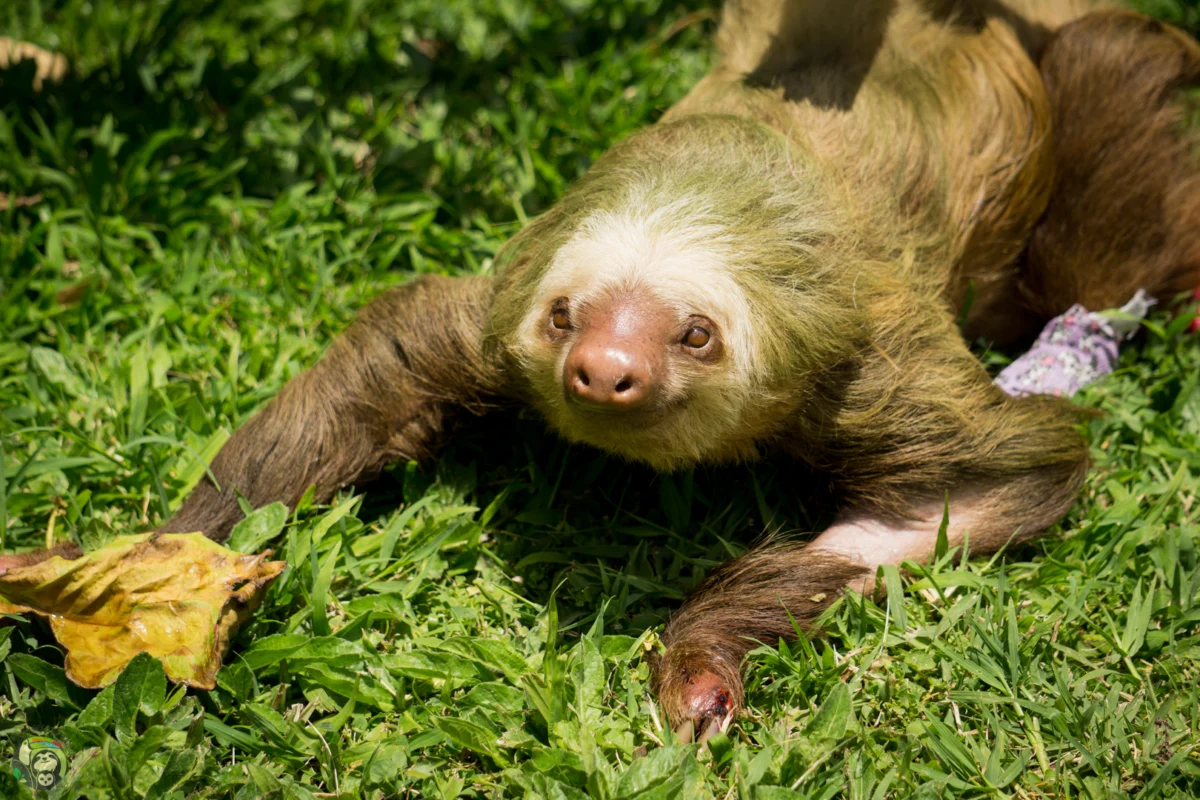
The Toucan Rescue Ranch, a specialized wildlife rescue and rehabilitation facility located in the San José province of Costa Rica, has established itself as a cornerstone of neotropical conservation through its integration of compassionate care and high-level veterinary science. Since its inception, the organization has evolved from a small rescue center for birds into a comprehensive medical hub capable of treating a diverse array of species, including sloths, monkeys, wild cats, and various reptiles. This evolution reflects a growing global trend toward professionalizing wildlife rescue, where the goal is no longer merely the survival of the individual animal but the restoration of its ecological function within the wild. By prioritizing cutting-edge medical treatment and rigorous rehabilitation protocols, the Toucan Rescue Ranch (TRR) serves as a vital link in the chain of Costa Rica’s environmental protection efforts, addressing the multifaceted threats posed by habitat loss, illegal pet trade, and human-wildlife conflict.
Costa Rica is home to nearly 5% of the world’s biodiversity, a statistic that places immense pressure on local conservationists to manage the health of sensitive ecosystems. The Toucan Rescue Ranch operates within this high-stakes environment, functioning as a specialized hospital that bridges the gap between field biology and clinical medicine. The facility’s commitment to wildlife medicine extends far beyond basic first aid; it encompasses a sophisticated approach to veterinary science that includes diagnostic imaging, complex orthopedic surgeries, and specialized nutritional therapy. As the human footprint in Costa Rica expands, the frequency of wildlife injuries—ranging from electrical burns on power lines to vehicle collisions—has surged, making the presence of such a high-capacity medical facility essential for the survival of the region’s iconic species.
The medical journey for a patient at the Toucan Rescue Ranch begins with a rigorous triage and assessment process. Upon arrival, every animal is subjected to a comprehensive health evaluation conducted by a team of veterinarians trained in avian and exotic animal medicine. This initial phase is critical, as wildlife species are notoriously adept at masking symptoms of illness or pain—an evolutionary trait designed to prevent predation. The TRR medical team utilizes digital radiography, ultrasonography, and on-site blood analysis to uncover internal injuries, parasitic loads, or metabolic disorders that are not visible to the naked eye. This data-driven approach ensures that each treatment plan is tailored to the specific physiological needs of the species, whether it be a three-toed sloth with a slow metabolism or a high-metabolism raptor requiring immediate stabilization.
One of the most complex aspects of the facility’s work involves specialized surgical interventions. For example, the repair of turtle shells—often damaged by boat propellers or vehicles—requires a unique blend of orthopedic surgery and material science. At TRR, such procedures involve stabilizing the carapace with specialized resins and wires while ensuring that the animal’s growth is not impeded. Similarly, the treatment of birds of prey and psittacines (parrots) often involves intricate bone pinning and soft tissue repair. These procedures are performed in a sterile surgical suite equipped with anesthesia protocols specifically calibrated for exotic species, which often have vastly different respiratory and cardiovascular systems compared to domestic animals. The success of these surgeries is a testament to the facility’s investment in state-of-the-art medical technology and the continuous professional development of its staff.
Following the acute medical phase, the focus shifts to rehabilitation and recovery, a process that is as much psychological as it is physical. The Toucan Rescue Ranch utilizes specialized recovery enclosures designed to mimic the natural habitats of the residents. For arboreal species like sloths and monkeys, this means providing vertical space, climbing structures, and natural foliage that encourage the restoration of muscle tone and coordination. For birds, flight aviaries are essential for ensuring that wing strength and maneuverability are fully restored before release. This stage of the process is closely monitored by behavioral specialists who look for "wild behaviors"—the ability to forage, socialized correctly with conspecifics, and maintain a healthy fear of humans. This meticulous attention to the rehabilitation environment is what differentiates a permanent sanctuary from a true reintroduction center.
Preventative medicine forms the third pillar of the TRR strategy. In a dense tropical environment, the risk of disease transmission between animals, and even between humans and wildlife (zoonosis), is a constant concern. The ranch implements strict quarantine protocols for all new arrivals and maintains a schedule of routine health checks, vaccinations, and parasite control for its long-term residents and those in the final stages of release preparation. By maintaining a high standard of biosecurity, TRR prevents the introduction of pathogens into the wild populations it seeks to bolster. This "One Health" approach—recognizing that the health of people, animals, and the environment are interconnected—is central to modern conservation medicine and is a guiding principle for the ranch’s veterinary team.
Nutrition is another critical component of the recovery process that requires a scientific approach. The dietary needs of a toucan, which must manage iron intake to avoid hemochromatosis (iron storage disease), are vastly different from those of a carnivorous oncilla or a folivorous sloth. TRR employs nutritionists who work alongside the veterinary team to formulate species-specific diets that provide the necessary vitamins, minerals, and caloric intake to fuel the healing process. For orphaned animals, this often involves the use of specialized milk replacements and a gradual weaning process that teaches them to identify and consume the fruits, insects, or prey they will encounter in the wild. The goal is to ensure that every animal released from the facility is at peak physical condition, giving them the best possible chance of survival in a competitive environment.
The impact of the Toucan Rescue Ranch extends beyond the individual animals it treats through its robust education and training programs. The facility serves as a training ground for international veterinary students, biologists, and conservationists. By hosting interns and researchers, TRR facilitates the exchange of knowledge and the development of new techniques in wildlife medicine. These educational initiatives ensure that the expertise gained within the walls of the ranch is shared globally, contributing to the broader field of conservation science. Furthermore, the organization’s community outreach programs in Costa Rica aim to address the root causes of wildlife displacement, educating the public on how to co-exist with nature and what to do when they encounter an injured animal.
The broader implications of TRR’s work are significant for the regional ecology. When a keystone species, such as a large raptor or a seed-dispersing toucan, is successfully rehabilitated and returned to the forest, the entire ecosystem benefits. These animals play vital roles in maintaining the balance of their habitats—controlling prey populations, dispersing seeds for forest regeneration, and serving as indicators of environmental health. The data collected by TRR during the treatment and tracking of these animals also provides valuable insights for government agencies like MINAE (Ministry of Environment and Energy) in Costa Rica, helping to inform policy decisions regarding habitat protection and wildlife corridors.
As the Toucan Rescue Ranch looks toward the future, the integration of technology and medicine will likely play an even larger role. The use of GPS tracking for released animals, for instance, is providing unprecedented data on the long-term success of rehabilitation efforts. This "post-release monitoring" is the ultimate metric of success for a rescue center, proving that the medical interventions performed in the clinic lead to viable, breeding individuals in the wild. The ranch’s commitment to this level of transparency and scientific rigor sets a high standard for wildlife centers worldwide.
In conclusion, the Toucan Rescue Ranch represents a sophisticated model of modern wildlife conservation. By combining high-level veterinary medicine with specialized rehabilitation and a commitment to education, the organization does more than just rescue animals; it restores the biological heritage of Costa Rica. The meticulous care provided—from the initial diagnostic imaging to the final flight test in a pre-release aviary—reflects a deep understanding of the intrinsic value of wildlife. As environmental pressures continue to mount, the work of facilities like TRR becomes increasingly vital. Their efforts ensure that the vibrant "Pura Vida" for which Costa Rica is known remains a reality for the thousands of species that call its forests home. Through science, dedication, and a clear vision for a healthier planet, the Toucan Rescue Ranch is helping to secure a future where wildlife can thrive in its natural state, supported by a human community that values and protects its existence.
