
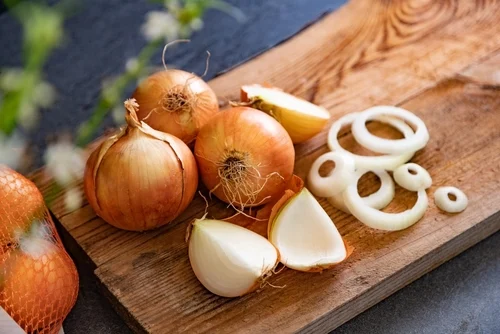
The practice of supplementing poultry diets with kitchen scraps has become a cornerstone of sustainable backyard farming, yet recent veterinary insights highlight a critical danger lurking in common culinary ingredients: the onion. While chickens are often celebrated for their ability to process a wide variety of organic waste, the inclusion of onions and other members of the Allium genus poses a severe physiological threat. This danger stems from a specific toxin known as thiosulphate, a compound that the avian digestive system is ill-equipped to neutralize. The resulting condition, often characterized by the destruction of red blood cells, underscores the necessity for rigorous dietary management in both small-scale and commercial poultry operations.
The Biochemical Mechanism of Thiosulphate Toxicity
To understand why onions are hazardous to chickens, one must examine the internal biochemistry of the bird. Onions (Allium cepa) contain organic sulfur compounds, primarily N-propyl disulfide and various thiosulphates. When these compounds are ingested and metabolized, they act as oxidizing agents within the bloodstream.

In most mammals and birds, red blood cells are responsible for transporting oxygen via hemoglobin. However, thiosulphate interferes with the enzyme glucose-6-phosphate dehydrogenase (G6PD), which normally protects red blood cells from oxidative damage. Without this protection, the hemoglobin within the red blood cells begins to denature and precipitate into small, round inclusions called Heinz bodies. These Heinz bodies damage the cell membrane, leading to hemolysis—the premature rupture and destruction of red blood cells.
For chickens, the physiological impact is profound. Because their metabolic rate is significantly higher than that of many mammals, the onset of anemia can be rapid. As the red blood cell count drops, the bird’s organs are deprived of oxygen, leading to systemic failure. This process, known as Heinz body anemia, is the primary reason why onions are classified as a toxic substance for poultry.
Identifying the Spectrum of the Allium Family
The risk is not limited to common yellow or red onions. The entire Allium genus contains varying concentrations of these sulfurous compounds. Poultry keepers must be vigilant regarding several related plants that are frequently found in gardens or kitchen waste:

- Shallots and Scallions: These possess concentrated levels of thiosulphate and can be even more dangerous than larger onions if consumed in similar quantities.
- Leeks: Often used in soups and stews, leeks contain the same toxic precursors, though they are sometimes perceived as "milder" by humans.
- Chives: Frequently grown as a garden herb, chives are easily accessible to free-ranging chickens and can cause cumulative toxicity over time.
- Wild Onions and Garlic: Forage-heavy environments may contain wild variants of these plants, which chickens might consume if other food sources are scarce.
The concentration of the toxin remains stable regardless of whether the onion is raw, cooked, or dried. Dehydration actually concentrates the thiosulphate, making onion powder or dried onion flakes particularly hazardous if accidentally introduced into a feed mix.
Clinical Progression and Symptoms of Ingestion
The timeline of onion poisoning in chickens can vary based on the quantity consumed and the size of the bird. In cases of acute toxicity—where a large amount of onion is eaten in a single sitting—symptoms may appear within 24 to 72 hours. In chronic cases—where small amounts are fed regularly—the decline may be more gradual.
Veterinary experts point to several key clinical signs that indicate a flock may be suffering from Allium toxicosis:

- Respiratory Distress: As the blood’s ability to carry oxygen diminishes, chickens will exhibit rapid, labored breathing or panting, even in cool temperatures.
- Lethargy and Depression: Affected birds will often stand apart from the flock, appearing hunched with ruffled feathers. They may show little interest in foraging or social interaction.
- Digestive Upset: Diarrhea is a common secondary symptom, as the body attempts to purge toxins and reacts to internal systemic stress.
- Jaundice and Pallor: The comb and wattles, which are usually a vibrant red due to healthy blood flow, may become pale or develop a yellowish tint (jaundice) as the liver struggles to process the byproduct of destroyed red blood cells (bilirubin).
- Reduced Egg Production: In laying hens, the physiological stress of anemia quickly halts the reproductive cycle. Furthermore, even sub-lethal amounts of onion can impart an unpleasant "off" flavor to the eggs produced.
In severe cases, the cumulative damage to the liver and kidneys, combined with extreme anemia, results in the death of the bird.
The Garlic Paradox: Benefits Versus Risks
A common point of confusion among poultry keepers involves the use of garlic (Allium sativum). While garlic is a member of the Allium family and does contain thiosulphate, it contains it in much lower concentrations than onions. Extensive research into avian nutrition suggests that garlic, when administered in controlled, medicinal doses, can offer significant health benefits without the risks associated with onions.
Garlic contains allicin, a compound known for its antimicrobial, antifungal, and immune-boosting properties. Many poultry experts recommend the use of garlic powder or crushed fresh cloves in water to help deter internal parasites and support respiratory health. The consensus within the agricultural community is that the "lethal dose" of garlic for a chicken is exceptionally high—far beyond what a bird would typically consume voluntarily. However, moderation remains key. High-dose, long-term administration of garlic can still lead to the same oxidative damage seen with onions, albeit at a much slower rate.

Historical Context and the Evolution of Poultry Nutrition
The understanding of onion toxicity has evolved alongside the shift from traditional "barnyard" scavenging to scientific nutritional management. Historically, chickens were viewed as the "disposal units" of the farm, eating whatever was discarded from the farmhouse kitchen. While many birds survived this, the mortality rates in traditional farming were often high and poorly understood.
In the mid-20th century, as avian pathology became more sophisticated, researchers began to link specific "unexplained" flock die-offs to dietary indiscretions. The identification of Heinz body anemia in livestock (first noted in cattle and dogs) eventually led to the realization that poultry were similarly susceptible. Today, as backyard chicken keeping sees a global resurgence, education regarding these specific dietary "no-go" zones is essential to prevent avoidable losses.
Broader Implications for Flock Management and Egg Quality
The implications of onion consumption extend beyond the immediate health of the bird to the quality of the food products they provide. For commercial and artisanal egg producers, the presence of onions in the diet is a significant quality-control issue. The volatile sulfur compounds in onions are fat-soluble and can easily transfer into the yolk of the egg. This results in eggs that have a distinct onion-like odor and taste, which is generally considered a defect in the market.

Furthermore, the economic impact of a toxicosis event can be devastating. For a small-scale producer, the loss of even 10% of a flock to preventable poisoning represents a significant loss of investment and future revenue. From a welfare perspective, the suffering associated with hemolytic anemia is prolonged and distressing, making it a priority for keepers to ensure their "treat" lists are vetted by nutritional standards.
Veterinary Recommendations and Preventive Measures
To maintain a healthy flock, veterinarians and poultry nutritionists recommend a strict "zero-onion" policy. While chickens are generally intelligent foragers and may avoid raw onions due to their pungent smell, they are easily deceived when onions are mixed into cooked leftovers, such as pasta sauces, salads, or stews.
Preventive strategies include:

- Strict Scrap Sorting: All kitchen waste intended for the coop should be thoroughly checked for onion skins, chopped onions, or leek tops.
- Garden Fencing: If onions or chives are grown in a home garden, they should be securely fenced off to prevent free-ranging birds from nibbling on the green tops.
- Educational Outreach: Ensure that all family members or farm hands are aware of the specific toxicity of the Allium family.
- Alternative Enrichment: Instead of potentially dangerous scraps, keepers are encouraged to provide safe greens such as kale, Swiss chard, or pumpkin, which offer nutritional benefits without the risk of oxidative damage.
If ingestion is suspected, the immediate course of action is to remove the source of the toxin and provide the birds with fresh, clean water supplemented with electrolytes and vitamins, particularly Vitamin E and Selenium, which act as antioxidants to help the body combat oxidative stress. In high-value birds, veterinary intervention involving activated charcoal may be used to prevent further absorption of the toxin if caught early.
Conclusion: Prioritizing Avian Wellness Through Informed Feeding
The relationship between a chicken and its diet is the foundation of its productivity and longevity. While the urge to provide a diverse and "natural" diet through kitchen scraps is well-intentioned, it must be tempered by an understanding of avian physiology. The onion, a staple of the human kitchen, represents a unique biochemical threat to poultry that cannot be overlooked. By recognizing the dangers of thiosulphate and the mechanics of Heinz body anemia, poultry keepers can ensure their flocks remain vibrant, healthy, and productive. In the modern landscape of sustainable agriculture, the most effective tool for flock protection remains informed and vigilant nutritional management.
