
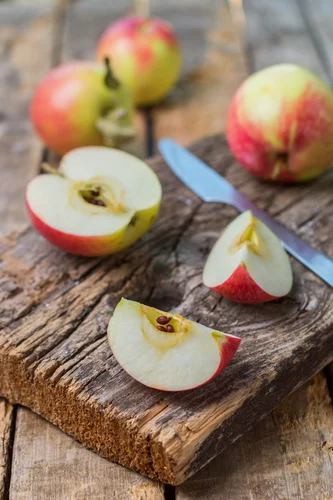
The integration of fresh produce into the diets of backyard poultry has become a cornerstone of modern sustainable animal husbandry, yet recent veterinary insights emphasize the critical need for safety protocols regarding specific fruit components, particularly apple seeds. While apples are widely recognized as a nutrient-dense supplement for Gallus gallus domesticus, poultry experts and avian nutritionists warn that the seeds contain amygdalin, a cyanogenic glycoside that releases hydrogen cyanide upon ingestion. This dual nature of the apple—serving as both a source of vital antioxidants and a potential vector for toxicity—highlights the complexity of avian dietary management. As the popularity of backyard farming continues to rise globally, understanding the physiological impact of these common treats is essential for maintaining flock health and ensuring the safety of the domestic food supply.
The Nutritional Profile of Malus Domestica in Avian Diets
Apples offer a variety of health benefits that can enhance the overall well-being of a poultry flock when administered correctly. High in dietary fiber, apples assist in regulating the digestive tracts of chickens, promoting better nutrient absorption and gut motility. Furthermore, the presence of various phytochemicals and antioxidants, such as quercetin and Vitamin C, supports the avian immune system, helping birds resist common environmental stressors and pathogens.
Beyond the direct nutritional benefits, the physical act of consuming apples provides significant enrichment for confined or semi-confined birds. Poultry experts often suggest creative ways to serve the fruit, such as slicing them into manageable pieces or hanging whole, cored apples from strings to create a "tetherball" effect. This type of environmental enrichment is known to reduce stress-induced behaviors, such as feather pecking or egg eating, by providing a constructive outlet for the birds’ natural foraging instincts. However, these benefits are contingent upon the removal of the core and seeds, which represent a localized but significant health risk.

The Chemical Mechanism of Cyanide Toxicity in Apple Seeds
The primary concern regarding apples in poultry nutrition lies within the seeds. Apple seeds, along with the pits of stone fruits such as peaches, plums, apricots, and cherries, contain a compound known as amygdalin. When the seed is crushed—a process that occurs naturally in the muscular gizzard of a chicken—the amygdalin interacts with digestive enzymes to release hydrogen cyanide.
Hydrogen cyanide is a potent toxin that interferes with cellular respiration. Specifically, it inhibits the enzyme cytochrome c oxidase, which is vital for the transport of oxygen within the mitochondria. When this process is disrupted, cells are unable to utilize oxygen, leading to a state of "chemical asphyxiation." While the amount of cyanide in a single apple seed is relatively small, the cumulative effect on a small animal with a high metabolic rate, such as a chicken, can be detrimental.
Symptoms of cyanide poisoning in poultry are often rapid and severe. They include a noticeable bluish tint to the comb and wattles (cyanosis), indicating a lack of oxygen in the blood. Affected birds may exhibit shortness of breath, gasping, or other respiratory distress. In acute cases, the toxin leads to low blood pressure, rapid heart rate, and eventual cardiac arrest. For younger birds, older hens, or those with underlying health conditions, even a small dose of cyanide can be fatal, leading to loss of consciousness, coma, and death within a short window of time.
Establishing a Chronology of Seasonal Feeding Risks
The risk of accidental poisoning often peaks during specific times of the year, particularly during the autumn harvest season. A chronological look at the feeding cycle reveals how risks can accumulate:

- The Late Summer Ripening: As fruit trees begin to drop surplus produce, chickens allowed to forage in orchards may gain unrestricted access to fallen apples. This is the period of highest risk, as birds may consume the entire fruit, including the core and seeds, without human intervention.
- The Harvest Processing Phase: During September and October, home gardeners often process large quantities of apples for canning or cider. The discarded cores and pomace are frequently given to livestock as a "zero-waste" solution. Without proper de-seeding, this practice can introduce concentrated amounts of amygdalin into the coop.
- Winter Supplementation: In colder months, when fresh forage is scarce, owners often rely more heavily on kitchen scraps. The lack of alternative greens may lead chickens to over-consume fruit treats, potentially exceeding the recommended dietary limits.
Veterinarians suggest that flock owners implement a strict screening process during these peak times to ensure that all fruit waste is cored and pitted before it reaches the poultry run.
Supporting Data: The 10 Percent Rule in Poultry Nutrition
To maintain a balanced diet, it is a standard veterinary recommendation that treats—including fruits, vegetables, and grains—should not exceed 10% of a chicken’s total daily caloric intake. For the average laying hen, this equates to approximately one to two tablespoons of supplemental food per day.
Over-reliance on treats can lead to a phenomenon known as "nutrient dilution." Commercial poultry feeds are scientifically formulated to provide the exact ratio of protein, calcium, and phosphorus required for egg production and bone health. When chickens fill their crops with low-protein fruits like apples, they may consume less of their balanced feed. Over time, this can result in:
- Reduced Egg Production: A lack of adequate protein and amino acids slows the reproductive cycle.
- Poor Shell Quality: Excessive fruit consumption can alter the pH of the digestive tract, potentially interfering with calcium absorption.
- Obesity: The high sugar content in fruits can lead to fatty liver hemorrhagic syndrome, a common cause of death in backyard hens.
Data from agricultural extensions suggest that flocks maintained on a strict 90/10 ratio (90% commercial feed, 10% treats) exhibit 15-20% higher productivity levels compared to those with unrestricted access to kitchen scraps.

Comparative Toxicity: Apples vs. Stone Fruits
While the focus remains on apples, the broader category of Rosaceae fruits presents similar challenges. The pits of cherries, peaches, plums, and apricots contain significantly higher concentrations of cyanogenic glycosides than apple seeds.
In a natural setting, a chicken is unlikely to be able to break through the hard, woody endocarp of a peach or plum pit. However, if these pits are cracked during food preparation or if they are left to weather and soften in the soil, the toxic kernel inside becomes accessible. Journalistic investigation into poultry husbandry practices reveals that many owners are unaware that the "stone" in stone fruits is merely a protective shell for a highly toxic interior. The safety protocol for these fruits remains the same as for apples: the fruit flesh and skin are beneficial, but the central seed or pit must be manually removed.
Official Responses and Expert Perspectives
Agricultural experts, including Lisa Steele, a well-known authority on backyard poultry and author of several books on the subject, emphasize a "prevention-first" approach. Steele and other experts advocate for the manual coring of apples as a non-negotiable step in treat preparation. The consensus among the veterinary community is that while the lethal dose for an average chicken might require several dozen seeds consumed at once, the sub-lethal effects—such as weakened immune systems and metabolic stress—are enough of a deterrent to justify the extra labor of coring.
"The goal of supplemental feeding is to enhance the bird’s life, not to introduce unnecessary variables into their biology," states a synthesis of current poultry guidance. "If an owner cannot commit to removing the seeds, it is safer to opt for alternative treats like leafy greens or mealworms that do not carry a toxic load."

Broader Impact and Implications for Food Security
The health of backyard poultry has implications that extend beyond the individual coop. As more households rely on home-raised eggs for nutrition, the systemic health of these birds becomes a matter of local food security. Toxicosis in a flock can lead to a sudden drop in egg availability and the potential for chemical residues to affect the quality of the eggs produced.
Furthermore, the economic impact on the backyard farmer is notable. The loss of a productive laying hen due to preventable poisoning represents a loss of investment in feed, time, and future food production. By adhering to rigorous feeding standards, owners protect their financial and nutritional investments.
In conclusion, apples represent a valuable resource in the avian diet, providing essential fiber, antioxidants, and mental stimulation. However, the presence of amygdalin in the seeds necessitates a disciplined approach to preparation. By removing cores and seeds, limiting treat intake to 10% of the total diet, and remaining vigilant during harvest seasons, poultry keepers can safely harness the benefits of this fruit while mitigating the risks of cyanide toxicity. The transition from casual feeding to informed, safety-conscious husbandry is a vital step in the maturation of the backyard poultry movement.
