
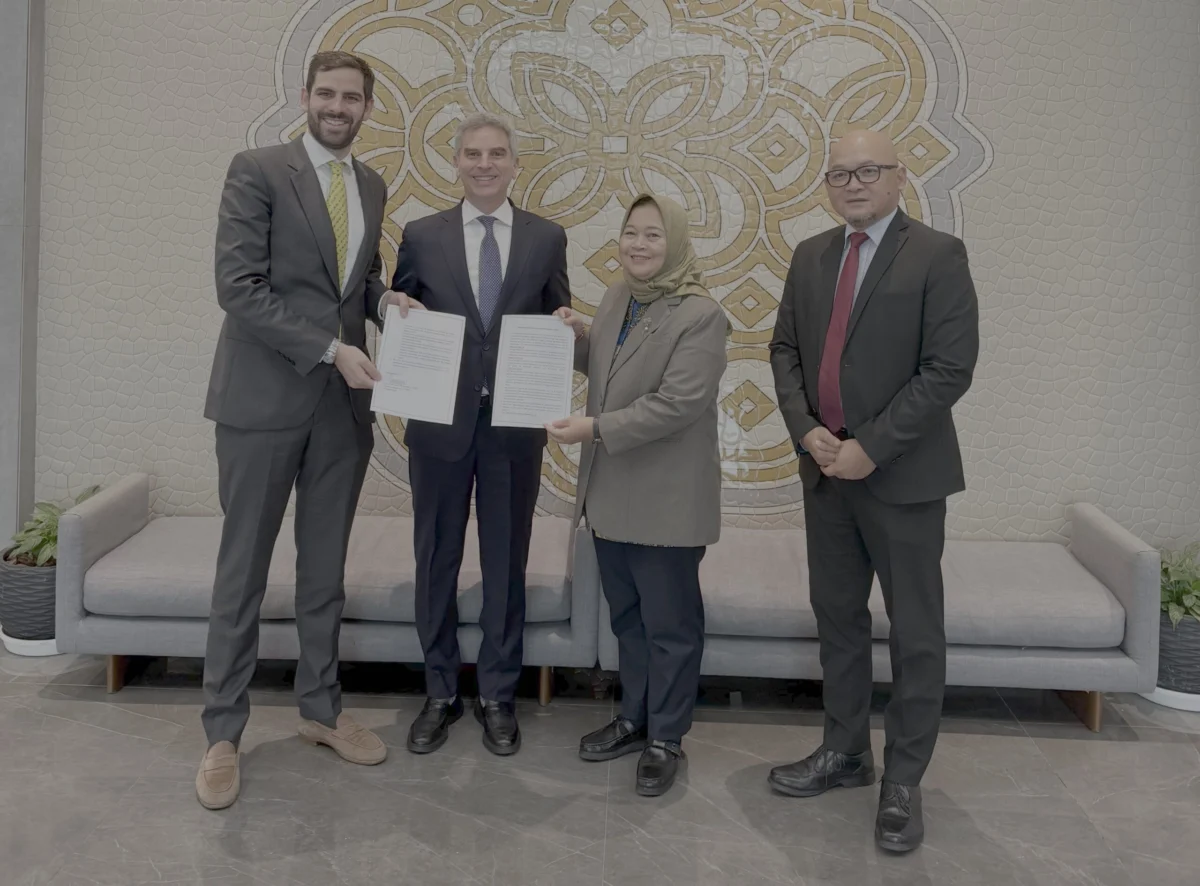
Abu Dhabi, UAE – January 15, 2026 – The Mangrove Breakthrough initiative commenced the year 2026 with a significant diplomatic achievement, securing the crucial endorsement of the Government of Indonesia, a nation recognized for harboring the world’s most extensive mangrove forests. This pivotal endorsement, formalized on the sidelines of the prestigious Abu Dhabi Sustainability Week, signals a heightened global commitment to the conservation and restoration of these vital coastal ecosystems.
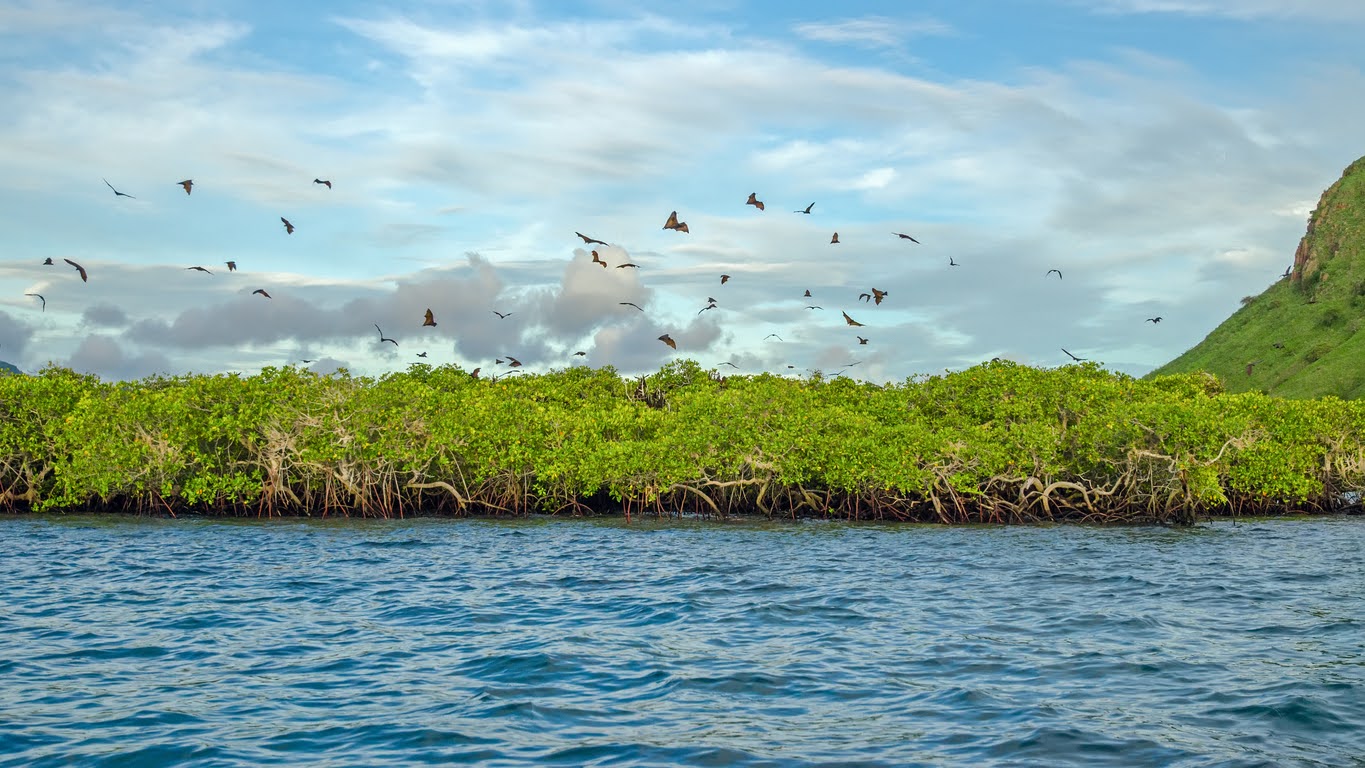
Indonesia, a sprawling archipelago nation, is home to an estimated 3.44 million hectares of mangroves, accounting for approximately 23% of the global total. These vibrant ecosystems are not merely ecological treasures; they are indispensable to the well-being of millions of Indonesians. With around 60% of the nation’s population residing in coastal areas, the reliance on mangroves for food security, sustainable livelihoods, and protection against the increasing threats of storms and sea-level rise is profound. Their role in supporting fisheries, acting as natural buffers against erosion and inundation, and sequestering significant amounts of carbon underscores their multifaceted importance.
The endorsement positions Indonesia as the 48th government to formally align with the Mangrove Breakthrough’s ambitious goals. This initiative, launched in 2022, aims to galvanize international efforts to protect and restore 15 million hectares of mangroves worldwide and mobilize a substantial USD 4 billion in funding by the year 2030.
"The Indonesian government welcomes good intentions and endorses the Mangrove Breakthrough, which targets the protection and restoration of 15 million hectares of mangroves globally and the mobilization of USD 4 billion in funding by 2030," stated Zulkifli Hasan, Indonesia’s Coordinating Minister for Food Affairs. "Indonesia, with its 3.44 million hectares of mangroves, therefore, deeply appreciates the support pledged by the Mangrove Breakthrough." Minister Hasan’s statement highlights the strategic alignment between national priorities and the global objectives of the Breakthrough, recognizing the critical role Indonesian mangroves play in both national resilience and global climate action.
The sentiment was echoed by Yus Rusila Noor, representing Wetlands International Indonesia and serving as the Chairperson of the Global Mangrove Alliance Indonesia Chapter. "We are committed to supporting the Government of Indonesia in conserving and restoring Indonesia’s mangrove ecosystems," Noor affirmed. "Mangroves protect our coastlines, support food security, and sustain coastal livelihoods. Our efforts today secure essential ecosystem services for people, nature, and future generations." This statement underscores the on-the-ground implementation focus, emphasizing the direct benefits to both human communities and the natural environment.
Meizani Irmadhiany, Senior Vice President and Executive Chair of Konservasi Indonesia, a key implementing partner, further elaborated on the significance of this national commitment. "We support the Government of Indonesia’s endorsement of the Mangrove Breakthrough as a meaningful step toward scaling science- and community-based mangrove protection," Irmadhiany stated. "Turning this commitment into impact will require strong local implementation, direct engagement of coastal communities, and sustained partnerships. Konservasi Indonesia stands ready to work with the government and local partners to deliver measurable ecological gains and sustainable economic benefits." Her remarks point to the critical need for effective execution at the local level, ensuring that conservation efforts are inclusive and yield tangible results for both the environment and local economies.
Wetlands International, Konservasi Indonesia (CI), The Nature Conservancy (TNC) Indonesia, and WWF Indonesia collectively form the Global Mangrove Alliance Indonesia Chapter, acting as the primary implementation partner for the Mangrove Breakthrough within the country. Their collaborative efforts are instrumental in translating the national endorsement into concrete conservation and restoration actions.
Global Momentum Builds Towards 2030 Targets
Indonesia’s endorsement arrives at a critical juncture for the Mangrove Breakthrough. The year 2026 represents a vital midpoint in the initiative’s timeline, bridging its 2022 launch with its ambitious 2030 targets. This period marks the full acceleration of the implementation phase, demanding robust action and sustained investment.
Since its inception, the Mangrove Breakthrough has steadily garnered international support. To date, a total of 48 national, state, and municipal governments have officially endorsed the initiative. The year 2025 alone witnessed a significant surge in new adherents, with 12 governments joining the ranks, including the national governments of Brazil, Mexico, and Papua New Guinea. These additions are particularly noteworthy, as they represent countries with substantial mangrove coverage, amplifying the collective impact of the Breakthrough’s objectives and signaling a growing political consensus across diverse geographical regions.
Financial Mechanisms and Investment Trends
The momentum behind the Mangrove Breakthrough extends beyond governmental endorsements to encompass robust financial and investment strategies. In 2025, a significant development was the announcement of the Mangrove Catalytic Facility. This facility serves as a crucial engine for the Breakthrough, designed to enhance the investment readiness of mangrove conservation and restoration projects.
Tracking the financial landscape, the initiative has identified more than 40 large-scale operations, each exceeding USD 1 million, that have collectively mobilized over USD 750 million in mangrove-positive investments since 2020. This demonstrates a growing flow of capital dedicated to the preservation and rehabilitation of these critical ecosystems. Furthermore, partners at Capital for Climate have identified an additional USD 840 million in nature-positive investments across 56 projects that specifically include mangrove ecosystems, indicating a broader trend of financial markets recognizing the value of natural capital.
Jennifer Howard, Mangrove Breakthrough Council Chair and Vice President of Natural Climate Solutions at Conservation International, emphasized the significance of this expanding coalition. "With this news, Mangrove Breakthrough-endorsing countries are now home to more than 60% of the world’s mangrove extent," Howard stated. "Working with these countries, we are building the financial architecture and generating the political will needed to meet our collective 2030 targets." Her statement highlights the substantial geographical coverage now represented by endorsing nations, a critical factor in achieving the initiative’s global goals.
Indonesia’s Leadership and Future Implications
Indonesia’s proactive engagement and endorsement of the Mangrove Breakthrough underscore its leadership role in advancing nature-based solutions on a global scale. This commitment comes at a propitious moment, preceding a series of high-profile international climate and biodiversity summits scheduled for 2026. The nation’s strong stance is expected to resonate and potentially inspire further action from other countries with significant mangrove resources.
The implications of this heightened focus on mangroves are far-reaching. Beyond their intrinsic ecological value, healthy mangrove ecosystems contribute significantly to climate change mitigation by sequestering vast amounts of carbon – often referred to as "blue carbon." Their protection and restoration are therefore crucial components of global efforts to limit greenhouse gas emissions. Moreover, by safeguarding coastal communities from the impacts of extreme weather events and rising sea levels, mangroves play a vital role in building climate resilience, particularly for vulnerable populations.

The economic benefits derived from healthy mangrove ecosystems are also substantial. They support thriving fisheries, provide raw materials for local industries, and contribute to the tourism sector. Investing in mangrove conservation and restoration is thus not only an environmental imperative but also a sound economic strategy that can foster sustainable development and create green jobs.
About the Mangrove Breakthrough
The Mangrove Breakthrough is an innovative global movement dedicated to valuing, financing, and safeguarding mangrove ecosystems. It champions a collaborative approach to nature conservation, aiming to build resilient communities through the protection of these critical coastal habitats. The initiative’s overarching ambition is to mobilize USD 4 billion to protect and restore 15 million hectares of mangroves by 2030. This ambitious goal is pursued through fostering radical collaboration among diverse stakeholders, advancing science-based financial and regulatory decision-making, and investing in and empowering local leadership for effective implementation. For more information, interested parties are encouraged to visit www.mangrovebreakthrough.com.
The partnership between governments, international organizations, NGOs, and local communities, exemplified by Indonesia’s endorsement and the active role of the Global Mangrove Alliance Indonesia Chapter, represents a potent model for tackling complex environmental challenges. As the world moves deeper into 2026, the momentum generated by such initiatives offers a hopeful trajectory for the future of mangrove conservation and the well-being of the millions who depend on them.
