
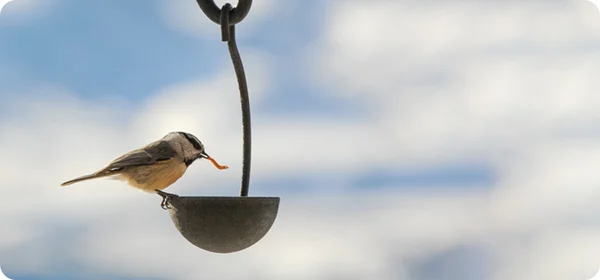
The adage of giving gifts that keep on giving takes on a unique, yet profoundly impactful, dimension as Mother’s Day approaches. While traditional gifts like flowers and chocolates are perennial favorites, an unconventional suggestion is emerging from the realm of ornithology and backyard ecology: the gift of "bugs for birds." This concept, rooted in the vital role insects play in avian diets, particularly during nesting and migration seasons, offers a compelling opportunity to delight mothers with the vibrant spectacle of nature.
The Crucial Role of Insects in Avian Life Cycles
May represents a pivotal month for bird populations across North America. It is the peak of the nesting season, a period where the survival of countless fledgling birds hinges on a readily available and nutrient-rich food source. For nearly all avian species, insects form the cornerstone of their young’s diet. This dietary necessity is not a fleeting phase; it lasts for several weeks as the chicks grow and develop.
During this critical window, the presence of abundant insect food in a backyard directly translates to a higher success rate for nesting birds, leading to more fledglings taking to the skies. Furthermore, this insect-rich environment acts as a magnet for a wider diversity of songbirds, transforming a typical yard into a dynamic avian habitat.
The importance of insects extends beyond the immediate needs of nesting birds. Migratory songbirds, undertaking their arduous journeys across continents, rely heavily on high-energy food sources to fuel their travels. Insects, particularly those rich in fats and proteins, are their primary fuel. A yard that offers a substantial insect buffet can significantly aid these travelers, providing a vital refuelling stop on their demanding migratory routes. For mothers who cherish the sight of diverse avian species gracing their gardens, the presence of warblers, vireos, thrushes, and tanagers, often drawn by insect availability, can be an unparalleled source of joy.
Strategic Approaches to "Bug" Provisioning for Birds
Creating an environment that naturally supports a robust insect population, and supplementing it with readily available insect-based food sources, are the two primary strategies for attracting and sustaining birds.
Cultivating Native Plant Habitats
One of the most effective and enduring ways to support insect life, and consequently birds, is through the strategic planting of native flora. Unlike traditional cut flowers that offer a fleeting visual appeal, native plants provide a long-term ecological benefit. When integrated into a garden, or even grown in containers, these plants become vibrant ecosystems that flourish throughout the summer months.
Native plants offer a dual advantage: they add aesthetic interest and beauty to the landscape while simultaneously serving as crucial attractants for a wide array of native insects. These insects, in turn, become a natural food source for the birds that actively seek them out. The choice of native plants can be tailored to specific regions, ensuring compatibility with local ecosystems and maximizing their impact. For instance, in many parts of North America, plants like milkweed (essential for Monarch butterfly larvae), coneflowers, asters, and various species of oak trees provide significant food and habitat for a multitude of insects.

Supplementing with Mealworms and Other Insect-Based Foods
While encouraging natural insect populations is paramount, supplemental feeding can significantly enhance a yard’s appeal to birds, especially during periods of high demand like nesting and migration. Mealworms, the larval stage of the mealworm beetle, are a highly nutritious and sought-after food for a wide variety of insectivorous birds. They offer a concentrated source of protein and fat, making them an ideal supplement to a bird’s natural diet.
Wild Birds Unlimited (WBU) offers a range of products designed to facilitate the provision of mealworms and other insect-based foods. Their Nesting SuperBlend®, available as a loose seed mix or a seed cylinder, is formulated with dried mealworms and other beneficial ingredients to support nesting birds. The Bug, Nut & Berry Cylinder® is another popular option, specifically designed to attract insect-eating birds to feeders. For those seeking the most direct and effective method, offering live mealworms can be particularly successful in drawing a diverse range of songbirds to feeders.
The "Bug" Gift: A Thoughtful and Eco-Conscious Choice
The suggestion of gifting "bugs" for Mother’s Day, while initially unconventional, becomes remarkably logical when viewed through the lens of ecological support and the joy of wildlife observation. It transcends the typical consumer-driven gifting culture and offers an experience rooted in nature.
Potential Gift Components and Their Benefits:
- Native Plant Seed Packets or Small Plants: This allows mothers to actively cultivate a bird-friendly habitat in their own yards or balconies. The act of nurturing these plants, watching them grow, and observing the insects and birds they attract can be a deeply rewarding and ongoing gift.
- High-Quality Mealworms (Live or Dried): These can be presented in an attractive container, accompanied by information on how to use them effectively at bird feeders. This provides an immediate way to attract a wider variety of birds.
- Bird Feeders Specifically Designed for Mealworms or Suet: Certain feeders are designed to dispense mealworms or suet cakes, making it easier for mothers to provide these treats.
- Educational Resources: Books or guides on native plants for attracting birds, or resources on bird identification, can complement the gift, enhancing the recipient’s understanding and enjoyment of their backyard ecosystem.
- Subscription to a Birding or Nature Magazine: This offers a continuous source of information and inspiration related to birds and nature.
The impact of such a gift extends beyond the immediate recipient. By encouraging bird feeding and habitat creation, these gifts contribute to local biodiversity and support healthy ecosystems. The presence of more birds in urban and suburban environments can have positive psychological effects, reducing stress and fostering a connection with the natural world.
Supporting Data and Scientific Perspectives
Research consistently highlights the critical role of insects in bird diets. A study published in the journal Ecology Letters in 2013 by Hallmann et al. documented a significant decline in insect biomass in Germany, correlating with a dramatic reduction in bird populations. This study underscored the direct link between insect availability and the health of avian communities.
Further research by the Cornell Lab of Ornithology emphasizes that insectivorous birds, in particular, require large quantities of insects to meet their nutritional needs, especially during breeding seasons. The protein, fat, and essential nutrients found in insects are vital for egg production, chick development, and feather maintenance.
The practice of supplemental feeding, as advocated by organizations like Wild Birds Unlimited, is supported by ornithological research that demonstrates its effectiveness in supporting bird populations, particularly in environments where natural food sources may be limited due to urbanization or habitat fragmentation. Providing readily available, high-energy food sources like mealworms can be a crucial intervention during times of ecological stress.

Broader Implications and Analysis
The "bugs for birds" concept taps into a growing public interest in environmental stewardship and the desire to reconnect with nature. As urbanization continues to expand, creating pockets of habitat that support wildlife becomes increasingly important. Gifts that encourage this type of engagement empower individuals to become active participants in conservation efforts, even on a small scale.
The implications of this trend are multifaceted:
- Increased Awareness of Ecological Interdependence: It educates individuals about the intricate relationships within ecosystems, highlighting how seemingly small actions can have significant ripple effects.
- Support for Local Biodiversity: By encouraging the use of native plants and the provision of suitable food sources, these gifts contribute to the health and diversity of local insect and bird populations.
- Promoting Sustainable Gifting Practices: It offers an alternative to disposable gifts, focusing instead on experiences and contributions that have lasting ecological and personal value.
- Economic Impact on Specialty Retailers: The growing interest in bird feeding and gardening for wildlife benefits businesses like Wild Birds Unlimited, which specialize in providing related products and expertise.
Conclusion
The notion of gifting "bugs for birds" for Mother’s Day, while initially surprising, presents a profound opportunity to celebrate mothers with a gift that is both ecologically beneficial and deeply rewarding. By understanding the vital role insects play in the lives of birds, particularly during the crucial nesting and migratory periods of spring, we can transform our backyards into havens for wildlife. This approach encourages a deeper connection with nature, fosters an appreciation for biodiversity, and offers a unique and memorable way to honor mothers while contributing to the health of our planet. It is a testament to the fact that sometimes, the most impactful gifts are those that help life flourish.
