
The practice of supplementing backyard poultry diets with leafy greens has become a cornerstone of modern small-scale avian husbandry, offering a dual benefit of behavioral enrichment and nutritional fortification. While commercial layer pellets provide a scientifically balanced baseline of proteins, fats, and minerals, the introduction of fresh vegetation mimics the natural foraging habits of Gallus gallus domesticus. However, poultry experts and avian nutritionists emphasize that not all greens are created equal. The distinction between a hydrating treat and a nutrient-dense supplement is critical for maintaining flock health, optimizing egg production, and ensuring the structural integrity of eggshells. As the backyard chicken movement continues to expand globally, understanding the physiological impact of various lettuce types—specifically the differences between iceberg, romaine, and dark leafy greens like spinach—has become essential for both novice and experienced keepers.
The Role of Hydration and Nutrition in Iceberg Lettuce
Iceberg lettuce, characterized by its tightly packed, pale green leaves and high water content, is frequently a staple in many households and, consequently, a common scrap offered to backyard flocks. From a purely hydration-based perspective, iceberg lettuce serves as an effective tool during periods of extreme heat. Poultry are highly susceptible to heat stress, which can lead to a decrease in egg production and, in severe cases, mortality. The high moisture content in iceberg lettuce provides a cooling effect and helps maintain internal fluid balance when ambient temperatures rise.

Despite these benefits, iceberg lettuce is often criticized by agricultural specialists for its lack of substantive nutritional value compared to other greens. It contains negligible amounts of fiber and essential vitamins. Furthermore, the excessive consumption of iceberg lettuce can lead to digestive disturbances. Because the avian digestive tract is optimized for processing concentrated nutrients and fiber, the sudden influx of high-water-content vegetation can result in diarrhea. In a poultry setting, chronic diarrhea is more than a hygiene issue; it can lead to soiled nesting boxes, increased risk of flystrike, and the leaching of essential electrolytes from the bird’s system. Therefore, while iceberg lettuce is a safe treat, it must be administered with moderation and a clear understanding of its limitations as a source of sustenance.
Comparative Nutritional Profiles of Superior Leafy Greens
To maximize the health of a flock, poultry experts recommend prioritizing nutrient-dense greens that offer a broader spectrum of vitamins and minerals. Romaine lettuce, kale, watercress, and collard greens represent a superior tier of supplemental feed. These varieties are rich in Vitamin A, which is vital for respiratory health and immune function, and Vitamin K, which plays a crucial role in blood clotting and bone metabolism.
Furthermore, dark leafy greens are significant sources of iron and calcium. Calcium is particularly vital for laying hens, as the production of a single eggshell requires approximately two grams of calcium—a substantial portion of a hen’s total bodily reserves. If dietary calcium is insufficient, the hen’s body will mobilize calcium from her own skeletal structure, leading to brittle bones and a shortened productive lifespan.

One of the most notable benefits of feeding high-quality greens is the presence of beta-carotene. This antioxidant is a precursor to Vitamin A and is responsible for the deep orange pigmentation found in the yolks of pasture-raised eggs. Consumer demand for "golden yolks" has driven a renewed interest in supplemental feeding, as the visual quality of the egg is often perceived as a direct indicator of the bird’s nutritional status and welfare.
The Biochemical Risks of Oxalic Acid in Spinach
While spinach is frequently lauded as a "superfood" in human nutrition, its application in poultry diets requires a more nuanced approach. Spinach is exceptionally high in vitamins and minerals, yet it also contains high concentrations of oxalic acid. In the avian metabolic system, oxalic acid acts as a calcium binder. When ingested in large quantities, it forms calcium oxalates, which prevent the bird’s intestines from absorbing the calcium present in their primary feed.
The implications of calcium malabsorption are immediate and measurable. Poultry keepers who overfeed spinach often report an increase in "soft-shelled" or "rubber" eggs. These eggs lack a calcified exterior, making them impossible to collect and increasing the likelihood of egg-eating behavior within the flock—a habit that is notoriously difficult to break. Beyond shell quality, the long-term depletion of calcium can lead to hypocalcemia, manifesting in lethargy and neurological tremors. Agricultural guidelines suggest that while spinach can be part of a varied diet, it should be rotated with other greens like Swiss chard or beet greens, and any sign of shell thinning should prompt an immediate reduction in spinach intake.

Establishing a Chronology of Dietary Management
The introduction of greens into a chicken’s diet should follow a logical progression based on the bird’s developmental stage.
- Brooder Stage (Weeks 0-6): During the first several weeks of life, chicks require a highly specific "starter" feed with protein levels between 20% and 24%. Introducing greens too early can displace these essential proteins and lead to stunted growth. Most experts advise against feeding any treats, including lettuce, until the chicks are at least four weeks old and have access to poultry grit to assist in digestion.
- Grower Stage (Weeks 6-20): As birds transition to grower feed, small amounts of finely chopped greens can be introduced to encourage foraging behavior. This stage is critical for developing a robust digestive system.
- Laying Stage (Week 20+): Once a hen begins her laying cycle, her nutritional demands spike. This is the optimal time to implement a structured supplemental program featuring Romaine, kale, and dandelion greens.
The 10 Percent Rule and Quantitative Dietary Balance
A fundamental principle in avian nutrition is the "10 Percent Rule." This guideline states that treats—including healthy leafy greens, fruits, and grains—should never exceed 10% of a bird’s total daily caloric intake. For an average laying hen, this equates to approximately one to two tablespoons of supplemental food per day.
Maintaining this balance is essential because commercial feeds are precisely formulated to provide the exact ratio of amino acids (such as methionine and lysine) required for feather production and egg synthesis. Over-supplementing with lettuce, even nutrient-dense varieties, can dilute these essential nutrients. Agricultural data indicates that flocks maintained on a diet too high in treats often suffer from obesity, which can lead to "fatty liver hemorrhagic syndrome," a leading cause of sudden death in backyard poultry.

Expert Perspectives and Industry Standards
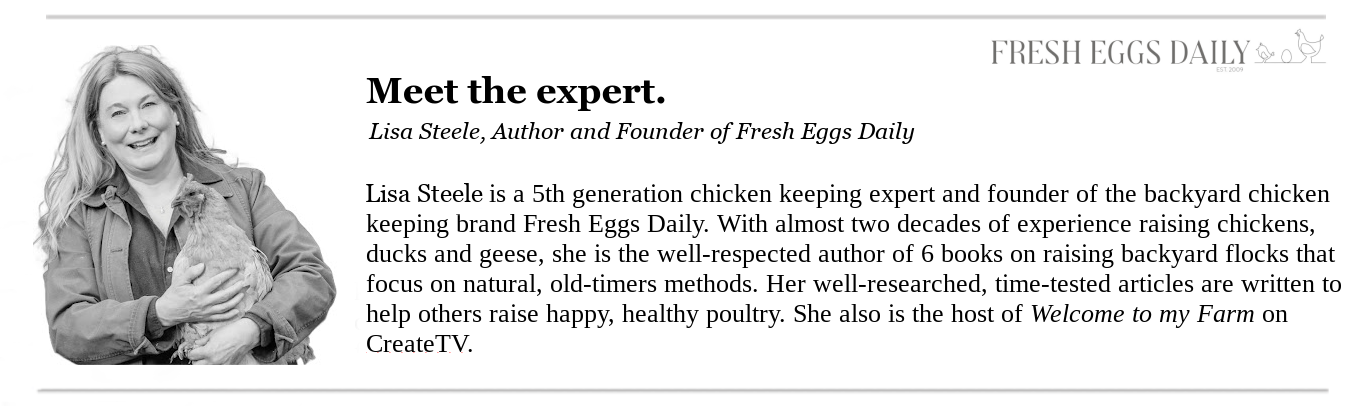
Lisa Steele, a fifth-generation poultry expert and author of several definitive guides on backyard flocks, has long advocated for a "natural-first" approach to supplementation. Steele emphasizes that while modern science provides the foundation of poultry care, traditional methods—such as offering dandelion greens and herbs—provide the micronutrients that commercial pellets might lack.
Veterinary responses to the rise of backyard chicken keeping have highlighted the need for better owner education regarding "kitchen scrap" feeding. The consensus among the American Association of Avian Pathologists is that while fresh produce is beneficial, it must be free from pesticides and mold. Moldy greens can contain mycotoxins, which are heat-stable and can cause acute poisoning or chronic immunosuppression in birds.
Broader Impact on Sustainable Agriculture and Egg Quality
The integration of leafy greens into poultry diets reflects a broader shift toward sustainable and regenerative agriculture. By utilizing garden surpluses or slightly wilted (but not spoiled) produce, keepers reduce food waste while simultaneously improving the nutrient density of the food they produce.

Research conducted by various agricultural universities has shown that eggs from hens with access to fresh vegetation contain higher levels of Omega-3 fatty acids and Vitamin E compared to those from hens confined to a strictly grain-based diet. This nutritional enrichment not only benefits the birds but also provides a superior product for the human consumer. As the agricultural industry moves toward more transparent labeling and higher welfare standards, the "backyard model" of varied, green-rich diets is increasingly being studied for its potential applications in larger-scale organic farming.
In conclusion, while chickens are opportunistic omnivores capable of consuming a wide variety of vegetation, the strategic selection of leafy greens is paramount. Iceberg lettuce serves a purpose for hydration but fails as a nutritional pillar. Darker greens like Romaine and kale offer the vitamins necessary for long-term vitality and egg quality. By adhering to the 10% rule and monitoring for the biochemical interference of substances like oxalic acid, poultry keepers can ensure their flocks remain both productive and healthy, bridging the gap between traditional foraging and modern nutritional science.
