
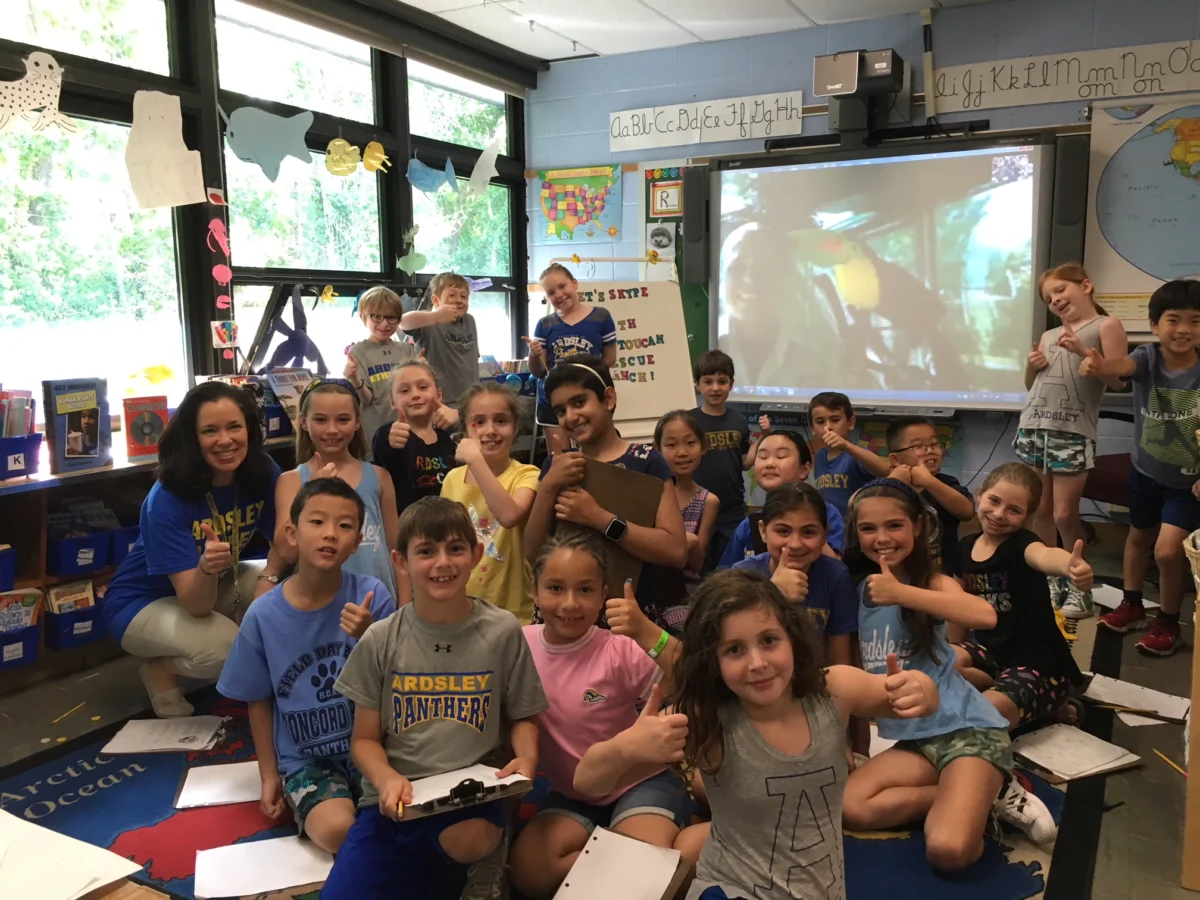
The Toucan Rescue Ranch, a prominent wildlife rescue and rehabilitation center based in Costa Rica, has formally expanded its Education Program to address the growing need for global environmental stewardship and wildlife protection. Established as a cornerstone of the organization’s mission, the program transcends traditional rescue operations by integrating scientific knowledge with public outreach. By fostering a deep understanding of biodiversity, the Toucan Rescue Ranch (TRR) aims to mitigate the human-wildlife conflicts that frequently result in the injury or displacement of Costa Rica’s endemic species. This initiative reflects a broader trend in conservation biology where education is viewed as a primary tool for long-term ecological sustainability.
The Evolution of the Toucan Rescue Ranch Education Program
The Toucan Rescue Ranch was founded in 2004 with a focus on the rescue and rehabilitation of toucans and other tropical birds. However, as the facility grew, so did the diversity of its residents, eventually including sloths, owls, monkeys, and wild cats. Recognizing that rescue and release were only reactive measures, the organization developed its Education Program to provide proactive solutions to conservation challenges.
The program is structured to serve a diverse demographic, ranging from local primary school students to international university researchers and eco-tourists. The primary objective is to transform the sanctuary into a living classroom where the stories of individual animals serve as case studies for broader environmental issues. These issues include habitat fragmentation, the illegal pet trade, and the impact of urban encroachment on wildlife corridors.
Interactive Learning and Onsite Experiences
A central component of the TRR Education Program is its suite of onsite learning opportunities. Unlike traditional zoos, the ranch operates as a sanctuary and a medical facility, meaning that educational interactions are designed with the welfare of the animals as the highest priority. Guided tours are led by knowledgeable professionals who provide insights into the biology, behavior, and conservation status of the species housed at the ranch.
These tours are supplemented by hands-on workshops that allow participants to engage with the complexities of wildlife management. For instance, students may learn about the specific dietary requirements of orphaned sloths or the intricate process of rehabilitating a bird of prey for release into the wild. By providing a transparent view of the rehabilitation process, TRR demystifies the work of conservationists and highlights the tangible impact of human intervention on animal lives.
Tailored Educational Frameworks for Schools and Organizations
To maximize its impact, TRR has developed tailored programs that align with international educational standards. These modules are specifically designed for schools, community groups, and non-governmental organizations. By integrating conservation topics into formal curricula, the ranch ensures that the next generation of leaders is equipped with the knowledge necessary to make informed environmental decisions.
The curriculum-aligned sessions cover a variety of critical topics, including:
- Ethology and Animal Behavior: Understanding how wild animals interact with their environment and the psychological stressors caused by human interference.
- Habitat Preservation: Analyzing the role of tropical rainforests in global carbon sequestration and the maintenance of water cycles.
- Conservation Ethics: Discussing the moral and practical implications of the illegal wildlife trade and the importance of "keeping wildlife wild."
By bringing expert knowledge directly to students, TRR serves as a bridge between academic theory and field-based practice.
Digital Expansion: Virtual Learning and Field Trips
In an era of increasing globalization and digital connectivity, the Toucan Rescue Ranch has leveraged technology to extend its reach far beyond the borders of Costa Rica. The organization’s virtual learning platform allows classrooms and homes worldwide to access the wonders of the rainforest without the logistical and financial barriers of international travel.
These virtual tours are not pre-recorded videos but interactive, live-streamed sessions that allow for real-time engagement. This format has proven particularly effective in reaching underserved communities and schools that lack the resources for field trips. Through high-definition video and expert narration, participants can observe the daily routines of the sanctuary’s residents and participate in live Q&A sessions with biologists and rehabilitators.
Strategic Partnership with Exploring By The Seat Of Your Pants
A significant milestone in the program’s expansion is the partnership with "Exploring By The Seat Of Your Pants" (EBTSOYP), an organization founded by National Geographic Explorer Joe Grabowski. Since 2015, EBTSOYP has been on a mission to bring science and adventure into classrooms through virtual speakers and field trips. The organization has hosted over 1,000 live events, connecting hundreds of thousands of students across more than 60 countries.
The collaboration between TRR and EBTSOYP focuses on bringing the "magic of the rainforest" to North American classrooms. A highlight of this partnership is the monthly virtual visit featuring sloths—one of the world’s most iconic and misunderstood mammals. These 40-minute sessions are led by TRR guides who provide an in-depth look at the "Saving Sloths Together" program.
Case Study: The Saving Sloths Together Program
The "Saving Sloths Together" initiative is a joint venture between the Toucan Rescue Ranch and The Sloth Institute Costa Rica. This program is a critical focus of the virtual educational sessions. Sloths in Costa Rica face numerous threats, including electrocution from uninsulated power lines, dog attacks, and car accidents resulting from habitat loss.
The educational sessions detail the specialized care required for these animals, from the neonatal stage to their eventual release. Students learn about the "Soft Release" process, where sloths are monitored in a controlled environment within the forest to ensure they have the skills necessary to survive independently. By focusing on sloths, TRR is able to capture the attention of young audiences and use that engagement to teach broader lessons about biodiversity and the interconnectedness of ecosystems.
Data and Impact Analysis
The impact of environmental education is often measured by the long-term changes in participant behavior and community attitudes. According to internal data from the Toucan Rescue Ranch, the Education Program has seen a steady increase in participation over the last decade.
- Global Reach: Virtual sessions have reached students in over 30 countries, significantly increasing the ranch’s international donor base and advocacy network.
- Local Engagement: In Costa Rica, TRR has worked with local municipalities to implement wildlife safety measures, such as "wildlife bridges" over roads, often spurred by community awareness raised through educational workshops.
- Philanthropic Support: The partnership with EBTSOYP includes a donation model where classrooms contributing $25.00 or more receive a donation certificate. This not only supports the ranch’s operational costs but also teaches students the importance of philanthropy and collective action.
Chronology of Educational Milestones
- 2004: Toucan Rescue Ranch is established as a bird rescue facility.
- 2007: The ranch expands to include mammalian rescue, necessitating a more robust educational component to explain the complex needs of different species.
- 2015: "Exploring By The Seat Of Your Pants" is launched, creating a new avenue for virtual conservation education.
- 2017: The "Saving Sloths Together" program is formalized, providing a core subject for educational outreach.
- 2020: Amid global travel restrictions, TRR accelerates the development of its virtual tour infrastructure, making it a permanent fixture of the Education Program.
- 2024: The partnership with EBTSOYP is solidified with a regular schedule of monthly broadcasts, reaching record numbers of North American students.
Broader Implications for Wildlife Conservation
The success of the Toucan Rescue Ranch Education Program highlights a shifting paradigm in conservation. Experts argue that the survival of endangered and vulnerable species depends less on fences and more on the values of the people living near or interacting with these animals.
By humanizing the stories of rescued wildlife—giving them names and sharing their recovery journeys—TRR creates an emotional connection that is often missing from scientific data alone. This "empathy-based learning" is a powerful tool in combating the apathy that often surrounds environmental issues. Furthermore, by providing this education for free or at a low cost to schools, the ranch ensures that conservation knowledge is democratized.
Community and Official Responses
Responses from the educational community have been overwhelmingly positive. Educators have noted that the live interaction with a rescue center in Costa Rica provides a level of engagement that textbooks cannot replicate. "The ability for my students to see a sloth being fed while asking a biologist questions in real-time is transformative," noted one North American middle school teacher.
Governmental and environmental bodies in Costa Rica have also recognized the value of TRR’s outreach. By reducing the number of animals that enter the rescue system through education, the ranch relieves some of the burden on the state’s environmental resources. The program’s emphasis on "keeping wildlife wild" aligns with Costa Rica’s national laws, which prohibit the keeping of wild animals as pets and discourage "selfie tourism" with wildlife.
Future Outlook and How to Get Involved
Looking ahead, the Toucan Rescue Ranch plans to further diversify its educational offerings. Future initiatives include specialized tracks for veterinary students and advanced conservation biology modules for university-level learners. The ranch also aims to increase its multilingual support to reach more non-English speaking communities across South America and Europe.
For those looking to support the mission, there are several pathways for involvement. Teachers and group leaders can book virtual or onsite sessions through the TRR website. Individual wildlife enthusiasts can support the program through donations, animal adoptions, or by participating in the ranch’s volunteer programs.
The Education Program at Toucan Rescue Ranch stands as a testament to the power of informed advocacy. By combining the immediate needs of wildlife rescue with the long-term goal of public education, the ranch is not just saving individual animals—it is fostering a global culture of conservation that will protect the rainforest for generations to come. Through every tour, workshop, and virtual session, TRR is building a network of "environmental stewards" equipped with the passion and knowledge to make a difference.
