
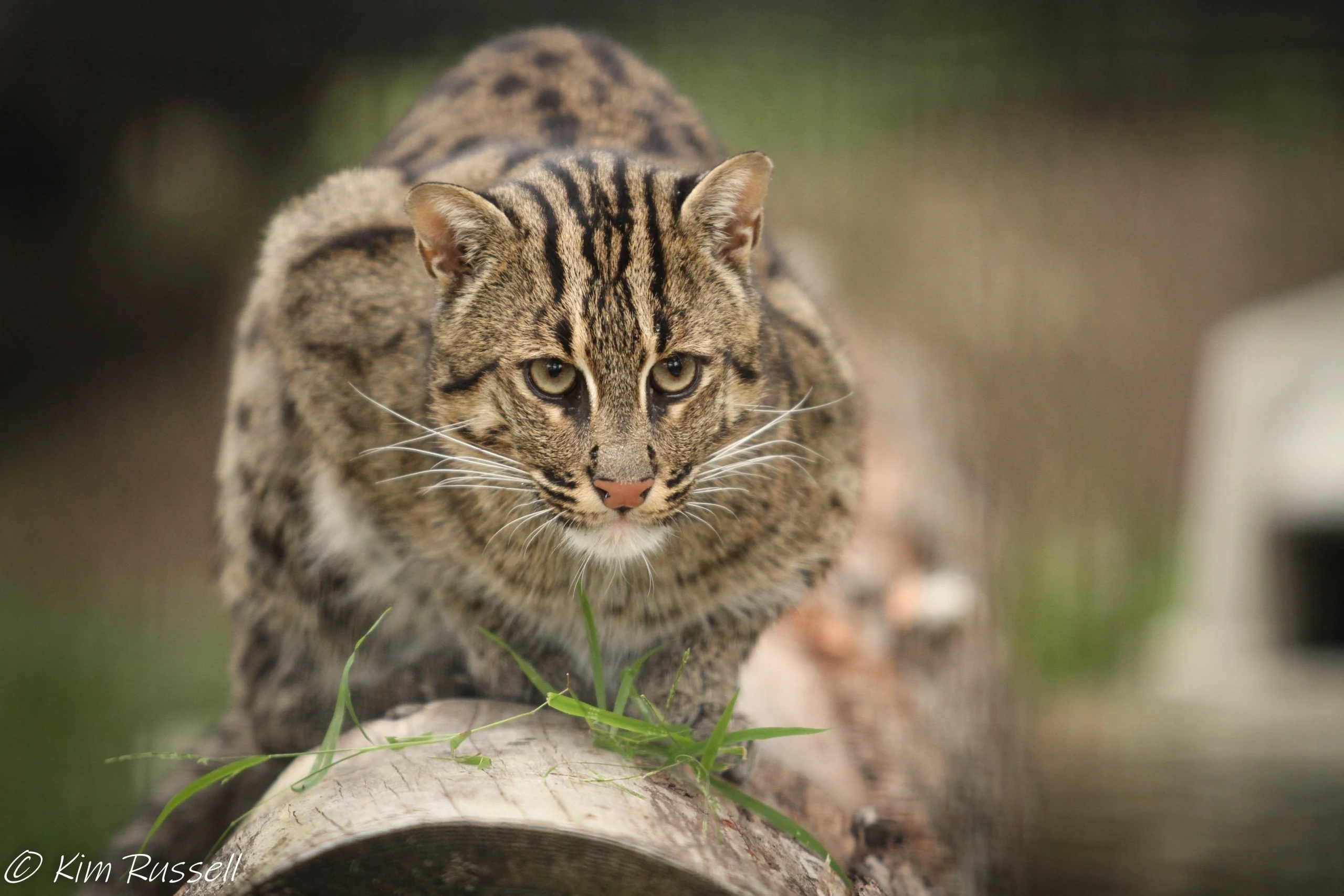
March 3rd marks World Wildlife Day, an annual global observance dedicated to celebrating and raising awareness about the world’s diverse fauna and flora. This year’s theme, "Partnerships for Wildlife Conservation," underscores the critical need for collaborative efforts to protect endangered species and their habitats. At the heart of this theme’s practical application is River, a charismatic six-year-old fishing cat residing at the Hawk Creek Wildlife Center. River serves as an invaluable ambassador animal, bridging the gap between the public and the often-unseen challenges faced by her wild counterparts.
The Urgent Plight of the Fishing Cat
Fishing Cats (Prionailurus viverrinus) are a unique and fascinating species, adapted to a semi-aquatic lifestyle and found across Southeast Asia and parts of the Indian subcontinent. Despite their specialized niche, these elusive felines are facing a severe decline in numbers. The International Union for Conservation of Nature (IUCN) Red List classifies them as vulnerable, a designation that signals a high risk of extinction in the wild. This alarming status is largely attributable to habitat loss and degradation, driven by agricultural expansion, urbanization, and the widespread destruction of wetlands, their primary habitat. Furthermore, fishing cats are often victims of retaliatory killings by local communities who perceive them as threats to livestock or fisheries, and they are also sometimes caught in fishing nets.
The inherent shyness and nocturnal habits of fishing cats make them incredibly difficult to study in their natural environment. This scarcity of data poses a significant hurdle for developing effective conservation strategies. Many individuals remain unaware of the existence of fishing cats, let alone the perilous situation they find themselves in. This is precisely where the role of ambassador animals like River becomes paramount. By interacting with humans in controlled environments, River provides a tangible connection to a species that would otherwise remain abstract and distant. Her presence at Hawk Creek Wildlife Center allows thousands of visitors to witness firsthand the beauty and distinctiveness of fishing cats, fostering empathy and inspiring a commitment to their protection.
The Power of Partnerships: A Visit from the Fishing Cat Conservancy
The significance of World Wildlife Day and the "Partnerships for Wildlife Conservation" theme was highlighted by a recent visit to Hawk Creek Wildlife Center by the founder of the Fishing Cat Conservancy. This visit was more than just a meeting of like-minded individuals; it represented a crucial scientific collaboration aimed at advancing our understanding of fishing cat behavior. The founder, a leading expert in the field, had the rare opportunity to observe River’s movements and her remarkable fishing techniques. Fishing cats are known for their ability to stalk prey along the water’s edge and deftly scoop fish from the surface with their paws, a skill that is remarkably difficult to document and analyze in the wild.
Studying ambassador animals like River in a semi-naturalistic setting provides invaluable data that directly informs conservation efforts in the wild. Researchers can meticulously document feeding patterns, social interactions (if applicable), and the use of their specialized paws for aquatic prey capture. This detailed behavioral data, gathered from individuals like River, allows scientists to better understand the ecological requirements of fishing cats, identify critical habitat features, and develop targeted conservation programs. For instance, understanding their fishing techniques can inform strategies for wetland restoration and the protection of fish populations that are vital to their diet.
The Fishing Cat Conservancy, an organization dedicated to the survival of this species, is actively engaged in a multi-pronged approach. Their work includes establishing and managing nature preserves specifically designed to protect fishing cat habitats. Crucially, they are forging partnerships with private landowners. By collaborating with those who own land within or adjacent to crucial fishing cat territories, the Conservancy aims to implement conservation measures that benefit both the landowners and the wildlife. This can involve promoting sustainable land-use practices, creating wildlife corridors, and educating local communities about the importance of coexisting with these magnificent predators. Their ultimate goal is to inspire widespread change in public perception and governmental policy to ensure the long-term survival of fishing cats. More information about their vital work can be found at fishcat.org.
The Ripple Effect of Conservation Efforts
The impact of supporting organizations like Hawk Creek Wildlife Center and the Fishing Cat Conservancy extends far beyond the immediate care of individual animals. Donations made on World Wildlife Day, particularly those directed towards fishing cat conservation, contribute to a broader ecosystem of protection. These funds can support a range of critical activities:
- Habitat Restoration and Protection: Investing in the acquisition and management of wetlands and riparian areas that fishing cats depend on. This includes efforts to combat pollution and invasive species that threaten these delicate ecosystems.
- Research and Monitoring: Funding field studies to assess fishing cat populations, track their movements, and identify key threats in their natural ranges. This often involves sophisticated camera trapping, genetic analysis, and satellite telemetry.
- Community Engagement and Education: Developing educational programs for local communities living alongside fishing cat habitats. This aims to foster understanding, reduce human-wildlife conflict, and promote sustainable practices.
- Anti-Poaching Initiatives: Supporting efforts to combat illegal hunting and the trade of fishing cat parts, which, while less common than for some other large cats, still poses a threat.
- Policy Advocacy: Working with governments and international bodies to strengthen legislation and conservation policies that protect fishing cats and their habitats.
The photo accompanying this report, credited to Kim Russell, captures River in a moment that encapsulates her vital role. It serves as a visual testament to the connection between human curiosity and the urgent need for conservation action. Ambassador animals, through their very existence and interaction with the public, can ignite a passion for wildlife that might otherwise remain dormant. This passion, in turn, fuels the partnerships necessary to confront the complex challenges of conservation.
Broader Implications for Wildlife Conservation
The story of River and the Fishing Cat Conservancy is a microcosm of the broader challenges and opportunities in global wildlife conservation. The success of conservation efforts hinges on the ability to forge strong, collaborative partnerships across various sectors. This includes:
- Scientific Institutions: Providing the research and data necessary to understand species and ecosystems.
- Non-Governmental Organizations (NGOs): Acting as on-the-ground implementers of conservation projects, often bridging the gap between scientific knowledge and practical application.
- Local Communities: Recognizing their integral role as stewards of the land and ensuring their involvement and benefit from conservation initiatives.
- Governments and Policymakers: Creating and enforcing protective legislation, allocating resources, and fostering international cooperation.
- The Public: Driving demand for conservation through donations, advocacy, and conscious consumer choices.
The vulnerable status of the fishing cat, a species many are still discovering, underscores the vastness of the biodiversity crisis. It highlights that countless species are on the brink, often without widespread public recognition. World Wildlife Day, with its emphasis on partnerships, serves as a powerful reminder that no single entity can tackle these challenges alone. The collaborative spirit exemplified by the Fishing Cat Conservancy’s work with Hawk Creek Wildlife Center, and by the very existence of ambassador animals like River, offers a hopeful path forward.
The implications of successful fishing cat conservation are multifaceted. Beyond the intrinsic value of preserving a unique species, healthy wetland ecosystems, which fishing cats inhabit, provide crucial ecosystem services. These include water purification, flood control, and supporting fisheries that benefit human communities. By protecting fishing cat habitats, we are simultaneously safeguarding these vital natural resources.
The journey of River from a potentially overlooked feline to a symbol of conservation hope illustrates the profound impact of dedicated individuals and organizations working in concert. As World Wildlife Day 2024 draws attention to the theme of Partnerships for Wildlife Conservation, the story of River and the efforts to protect her species serve as an inspiring call to action, demonstrating that through collaboration, even the most elusive and vulnerable among us can find a voice and a future. The ongoing work of organizations like the Fishing Cat Conservancy, supported by the public and facilitated by institutions like Hawk Creek Wildlife Center, offers a tangible pathway towards securing a healthier planet for all its inhabitants.
