
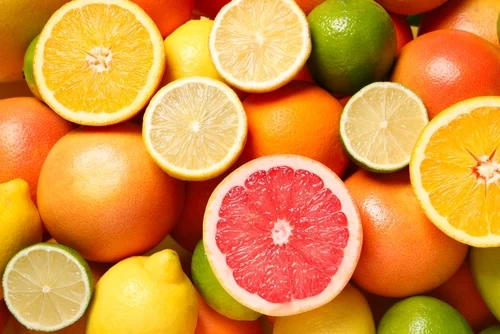
The intersection of household waste reduction and backyard animal husbandry has led to a surge in the practice of feeding kitchen scraps to domestic poultry. While chickens are often celebrated as nature’s most efficient recyclers, capable of processing a wide variety of organic matter into high-quality protein, avian nutritionists and veteran keepers are increasingly highlighting the specific risks associated with certain food groups. Among the most debated items in the supplemental diet of Gallus gallus domesticus is citrus fruit. While oranges, lemons, and grapefruits are dietary staples for human health, their introduction into the poultry coop presents a complex set of biological challenges that can compromise egg quality, skeletal integrity, and overall flock productivity.
The Biochemical Conflict: Calcium Absorption and Citric Acid
The primary concern regarding citrus consumption in chickens revolves around the interference with calcium metabolism. Calcium is the most critical mineral for a laying hen, as it is the primary component of eggshells and a vital element for nerve function and bone health. A standard eggshell consists of approximately 95 percent calcium carbonate, requiring a hen to mobilize a significant portion of her dietary intake and internal reserves every 24 to 26 hours.
Research into avian physiology suggests that excessive intake of citric acid and Vitamin C can disrupt the delicate pH balance of the digestive tract. While the exact mechanism is a subject of ongoing study, it is widely observed that high levels of citrus can interfere with the absorption of calcium in the small intestine. When dietary calcium absorption is hindered, the hen’s body enters a state of hyperparathyroidism, triggering the release of calcium from the bones to compensate for the deficiency in the bloodstream. This process, known as resorption, prioritizes the creation of the egg over the health of the hen’s skeleton.

Over time, a diet rich in citrus can lead to "cage layer fatigue" or osteoporosis-like conditions in backyard flocks. The external symptoms are often first noted in the nesting box: eggs with thin, papery shells or "rubber eggs" that lack a calcified exterior entirely. Beyond shell quality, the hens themselves may suffer from brittle bones, making them more susceptible to fractures and mobility issues.
Endogenous Synthesis: The Vitamin C Exception in Avian Biology
A common misconception among novice poultry keepers is the belief that chickens require supplemental Vitamin C to ward off illness, much like humans or non-human primates. However, chickens possess the biological capability to synthesize their own Vitamin C (ascorbic acid) within their kidneys. Under normal environmental conditions, a healthy chicken produces sufficient amounts of the vitamin to meet all its metabolic needs, rendering the high Vitamin C content of citrus fruits redundant.
This biological trait creates a unique nutritional profile for the egg itself. It is a well-documented fact in nutritional science that a chicken egg contains nearly every essential nutrient required for life, including high-quality proteins, fats, and a spectrum of vitamins and minerals. The singular exception is Vitamin C. Because the developing chick embryo is capable of synthesizing its own ascorbic acid from the moment its organs begin to form, the hen does not need to deposit the vitamin into the yolk or albumen. Consequently, the nutritional "boost" humans seek from oranges offers no parallel benefit to the chicken and may, in fact, create a metabolic surplus that the bird’s system is not designed to process efficiently.
A Historical Perspective on Poultry Nutrition and Kitchen Scraps
The practice of feeding chickens kitchen waste has evolved significantly over the last century. In the early 20th century, farm flocks were largely self-sufficient, foraging for insects, seeds, and greens, supplemented by whatever grain or table scraps were available. During this era, nutritional science was in its infancy, and the correlation between specific scrap types and egg production was largely anecdotal.

The mid-century shift toward intensive poultry farming led to the development of "complete feeds"—scientifically formulated pellets and crumbles designed to provide the exact ratio of protein, calcium, and phosphorus required for maximum output. In the modern era, the "backyard chicken movement" has seen a return to supplemental feeding, but with a more rigorous focus on health and longevity.
The current consensus among avian experts, including those from prominent agricultural institutions like the University of California, Davis, and Cornell University, emphasizes that while chickens are omnivores, their diet should consist of at least 90 percent formulated feed. The remaining 10 percent, allocated for treats and scraps, must be carefully curated. Citrus has historically fallen into a "gray area"—not immediately toxic like avocado pits or chocolate, but nutritionally counterproductive.
The Foraging Instinct: Why Chickens Naturally Avoid Citrus
Observational data from poultry keepers indicates that chickens often exhibit a natural aversion to citrus fruits. When presented with a variety of kitchen scraps, chickens will typically gravitate toward leafy greens, melons, and spent grains, often leaving orange rinds or grapefruit segments untouched.
This behavior is linked to the chicken’s sense of taste and the evolution of its foraging habits. Chickens have approximately 240 to 350 taste buds, significantly fewer than humans, but they are highly sensitive to bitter and acidic flavors. The high acidity of citrus is a sensory deterrent. Biologists suggest this may be an evolutionary safeguard; many plants produce acidic or bitter compounds to discourage consumption of their seeds or to signal the presence of potentially harmful alkaloids. By avoiding citrus, chickens may be following an ancestral instinct to protect their internal pH balance.

Supporting Data: The Impact of Dietary Acidity on Egg Production
Quantitative studies in the field of poultry science have demonstrated a direct correlation between diet and eggshell thickness. In trials where layers were fed diets supplemented with varying levels of organic acids, results showed that while small amounts of certain acids (like acetic or propionic acid) could improve gut health by reducing pathogen loads, high concentrations of citric acid often led to a decrease in shell breaking strength.
Furthermore, the economic implications for small-scale egg producers are notable. A reduction in eggshell integrity leads to higher rates of breakage during collection and cleaning. In a study of backyard flock productivity, it was found that flocks receiving "unregulated" kitchen scraps, including high volumes of citrus and salty foods, saw a 15 to 20 percent higher incidence of unmarketable eggs compared to flocks on a controlled supplemental diet.
Expert Recommendations and Official Responses
While the USDA and other agricultural regulatory bodies primarily focus on commercial poultry production, their guidelines for "small-flock management" consistently advise against the inclusion of citrus in supplemental feeding programs. Veterinary professionals specializing in avian medicine often categorize citrus alongside onions and garlic—items that are not "toxic" in the sense of causing immediate death, but "stressors" that can lead to sub-clinical health issues.
Dr. Lisa Steele, a well-known expert in natural poultry keeping and author of several books on the subject, advocates for a "compost first" policy regarding citrus. By diverting citrus rinds and leftovers to the compost pile rather than the chicken run, keepers can recycle the nutrients into the soil without risking the health of their birds. The resulting compost, once broken down, provides a safe and nutrient-rich fertilizer for gardens, which in turn can grow safer treats for the flock, such as kale or Swiss chard.

Broader Implications and Final Analysis
The debate over citrus consumption serves as a microcosm for the broader challenges of modern backyard farming. As more households seek to close the loop on food waste, the responsibility to understand the specific biological needs of livestock becomes paramount. The "humanization" of animal diets—assuming that what is healthy for a person must be healthy for a bird—is a common pitfall that can have genuine physiological consequences.
In conclusion, while a single orange slice is unlikely to cause a catastrophic health failure in a healthy hen, the cumulative effect of citrus consumption represents a significant risk to calcium homeostasis. The potential for reduced egg production, thin shells, and skeletal depletion outweighs any perceived nutritional benefit, especially considering that chickens are naturally equipped to produce their own Vitamin C. For the modern poultry keeper, the most professional and scientifically sound approach is to prioritize calcium-rich supplements and high-quality forage, leaving the citrus for the compost bin. This ensures not only the productivity of the flock but the long-term welfare of the animals involved in the growing backyard agricultural economy.
