
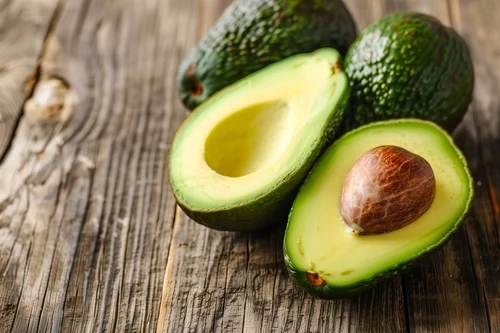
The consumption of avocados, a staple in human diets for their nutritional value and healthy fats, presents a severe and often fatal risk to a wide variety of domestic animals and livestock. While humans have evolved to process the specific chemical compounds found within the fruit of the Persea americana tree, many other species—ranging from backyard chickens to large ruminants—lack the biological mechanisms to safely ingest the plant. Veterinary experts and agricultural specialists warn that all components of the avocado plant, including the fruit’s flesh, skin, pit, and the tree’s leaves and bark, contain a fungicidal toxin known as persin. For many animals, particularly avian species, the ingestion of even a small amount of this toxin can lead to rapid physiological decline, myocardial necrosis, and death within a matter of hours.
The Chemical Profile of Persin Toxicity
Persin is a fat-soluble compound structurally similar to a fatty acid, produced naturally by the avocado plant as a defense mechanism against fungal infections. While the exact mechanism of its toxicity in animals is still a subject of ongoing toxicological research, its effects on the cardiovascular and reproductive systems of susceptible species are well-documented. In mammals and birds, persin primarily targets the heart muscle (myocardium) and the mammary glands.
In avian species, such as chickens, turkeys, and ostriches, the heart is the primary organ affected. The toxin causes the accumulation of fluid around the heart—a condition known as pericardial effusion—and leads to the death of heart muscle cells. Because birds have a high metabolic rate and a sensitive respiratory system, the resulting cardiac failure manifests quickly as respiratory distress. In mammals, such as horses and goats, persin often causes non-infectious mastitis, leading to the swelling of mammary glands and the contamination of milk, alongside the potential for fatal heart damage.

Chronology of Symptoms and Biological Impact
The timeline of avocado poisoning, or toxicosis, is often tragically brief, particularly in smaller animals. When a chicken or a pet bird consumes a toxic dose of avocado, the clinical signs usually emerge within 12 to 24 hours, though death can occur as early as 12 hours post-ingestion if the concentration of persin is high.
The progression typically follows a specific chronology:
- Initial Ingestion: The animal consumes any part of the plant. Notably, the leaves of the avocado tree contain the highest concentration of persin, followed by the pit and the skin.
- Early Onset (1–12 hours): The animal may appear lethargic or show a decreased interest in food. In birds, ruffling of feathers and a "fluffed up" appearance are common early indicators of distress.
- Acute Respiratory Phase (12–24 hours): As the heart begins to fail and fluid accumulates in the chest cavity, the animal will experience dyspnea (difficulty breathing). Chickens may stretch their necks out to gasp for air or exhibit a darkened comb and wattles due to a lack of oxygen in the blood (cyanosis).
- Critical Failure (24–48 hours): In most cases involving poultry, the inability of the heart to pump blood effectively leads to total organ failure. For a small bird, consuming just 5% of an avocado can result in death within 48 hours.
In larger mammals, the timeline may be extended. Horses may show swelling in the head, neck, and chest, while goats and sheep may suffer from severe udder swelling and decreased milk production before the onset of cardiac symptoms.
Species Vulnerability and Comparative Risk
While the Merck Veterinary Manual and other leading toxicological resources highlight chickens as high-risk subjects, the list of animals susceptible to persin poisoning is extensive. The sensitivity to the toxin varies significantly across species, but the general consensus among veterinarians is that avocado should be treated as a universal hazard for non-human animals unless otherwise specified.

Avian Species: Chickens, turkeys, canaries, and parrots are among the most sensitive. The high fat content of the avocado may also contribute to acute pancreatitis in some birds, though the primary killer remains cardiac necrosis.
Ruminants and Livestock: Cattle, goats, sheep, and horses are susceptible, particularly to the leaves of the Guatemalan avocado variety, which is known to be more toxic than the Mexican variety.
Small Mammals: Rabbits, guinea pigs, rats, and mice have shown high mortality rates in laboratory settings when exposed to avocado components.
Aquatic Life: Certain species of fish have been observed to suffer from toxicosis when avocado waste is introduced into their environment.
Interestingly, dogs and cats appear to be more resistant to persin than other species, though they are not entirely immune. In dogs, the primary danger often lies in the ingestion of the large avocado pit, which can cause a life-threatening gastrointestinal obstruction. However, some dogs may still experience upset stomachs or, in rare cases, myocardial damage if they consume large quantities of the fruit.
The Rise of Backyard Farming and Accidental Poisoning
The increasing popularity of backyard chicken keeping has led to a rise in reported cases of accidental poisoning. Many novice poultry owners view chickens as "natural composters," capable of eating any and all kitchen scraps. While chickens are indeed omnivorous and can benefit from a variety of vegetables and fruits, the lack of awareness regarding specific toxins like persin poses a significant threat to hobbyist flocks.
Agricultural experts emphasize that the danger is not limited to the fruit itself. For those living in climates where avocado trees can grow, such as California, Florida, or Australia, the risk extends to the environment. Fallen leaves or bark in a ranging area can be just as lethal as a discarded pit in a scrap bucket. Because chickens are naturally curious and prone to pecking at new materials, a single fallen avocado leaf can provide a lethal dose of toxin to multiple birds.

Veterinary Guidelines and Official Responses
The Merck Veterinary Manual, a definitive resource for animal health, explicitly categorizes avocado as a food hazard. Veterinary toxicologists advise that there is no specific "antidote" for persin poisoning. Once an animal has ingested a toxic amount and begins showing signs of cardiac distress, the prognosis is generally poor.
Supportive care is the only available treatment. This may include:
- Oxygen therapy for birds experiencing respiratory failure.
- Diuretics to help remove excess fluid from the heart and lungs.
- Activated charcoal to prevent further absorption if the ingestion is caught early enough.
Due to the rapid onset of symptoms and the high mortality rate, veterinarians focus almost exclusively on prevention. The official recommendation from animal welfare organizations is a "zero-tolerance" policy regarding avocados in the diets of poultry, livestock, and exotic birds.
Broader Implications for Animal Husbandry and Waste Management
The toxicity of avocados serves as a critical case study in the importance of species-specific nutrition. It highlights a common misconception in animal husbandry: that "natural" or "healthy" foods for humans are universally safe for the animal kingdom.

From a waste management perspective, this information is vital for municipal composting programs and farm-to-table initiatives. If kitchen scraps are being diverted to feed livestock or poultry, rigorous sorting must be in place to ensure that avocado skins, pits, and trimmings are excluded. Failure to do so can lead to mass mortality events in commercial or community flocks.
Furthermore, this issue underscores the need for better labeling and public education. As avocados become a year-round global commodity, the likelihood of these fruits ending up in animal-adjacent environments increases. Education campaigns by agricultural extensions and veterinary associations continue to play a vital role in preventing avoidable animal deaths.
Safe Alternatives for Poultry and Livestock
To ensure the health of backyard flocks and farm animals, owners are encouraged to provide safe, nutrient-dense treats that do not carry the risk of toxicosis. For chickens, safe alternatives include:
- Leafy greens such as kale, spinach, and Swiss chard.
- Grains and seeds like oats, sunflower seeds, and cracked corn.
- Most other fruits, including berries, melons, and apples (provided the seeds are removed, as apple seeds contain small amounts of cyanide).
- High-protein treats like mealworms or cooked eggs.
By sticking to verified safe foods and maintaining a secure environment free from avocado tree debris, animal owners can prevent the tragic consequences of persin toxicosis. The consensus among the scientific and veterinary communities remains clear: while the avocado is a superfood for humans, it is a potent toxin for many of the animals we care for, and its presence in their diet should be strictly prohibited.
