
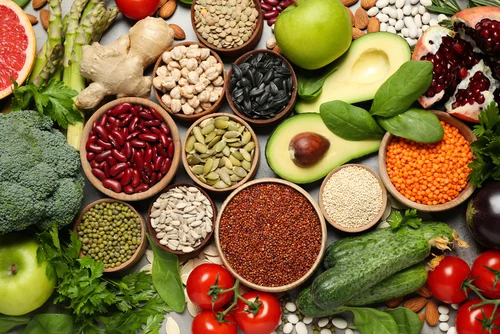
Backyard poultry ownership has experienced a significant global resurgence over the last decade, driven by a growing interest in sustainable living, food security, and the organic movement. While chickens are biologically classified as omnivores—capable of consuming a diverse array of flora and fauna—veterinary experts and avian nutritionists emphasize that they are not biological "garbage disposals." The common practice of feeding household kitchen scraps to flocks, while environmentally beneficial in reducing food waste, carries inherent risks if owners are not well-versed in avian toxicology. Understanding the distinction between a healthy treat and a "toxic treat" is paramount to maintaining flock longevity and ensuring the safety of the eggs produced for human consumption.

The Merck Veterinary Manual and various agricultural extension services, such as the Maine Extension Service, have identified several common human foods that contain compounds potentially lethal to poultry. These substances can cause a range of physiological failures, from acute cardiac arrest to chronic kidney damage. As the popularity of urban farming continues to grow, the need for standardized nutritional education for hobbyist farmers has become a critical point of concern for animal welfare organizations and veterinary professionals alike.

The Chemistry of Avian Toxins: Primary Foods to Avoid
The most immediate threats to poultry health often come from substances that humans consume safely but which avian systems cannot metabolize. One of the most dangerous examples is the avocado. All parts of the avocado plant, including the flesh, skin, pit, and leaves, contain a fungicidal toxin known as persin. In birds, the ingestion of persin is associated with myocardial necrosis—the premature death of heart muscle cells. According to veterinary data, even a small amount of avocado can lead to respiratory distress and death within 48 hours. Because birds have a high metabolic rate and relatively small body mass, the concentration of persin required to reach a lethal dose is remarkably low.

Another significant risk factor is found in the nightshade family (Solanaceae), which includes white potatoes, tomatoes, eggplants, and peppers. These plants produce a natural alkaloid called solanine as a defense mechanism against herbivores. While the ripe fruit of a tomato or pepper may contain negligible amounts of solanine, the green parts of the plant—the stems, leaves, and unripened fruit—are highly toxic. In chickens, solanine poisoning manifests as severe gastrointestinal distress, diarrhea, and heart failure. It is a common misconception that boiling potatoes removes these toxins; while high-heat frying may reduce levels, boiling is largely ineffective at neutralizing solanine or chaconine, another pesticide found in potatoes.

The danger of raw legumes, specifically dried beans, cannot be overstated. Raw or undercooked beans contain phytohaemagglutinin (lectin), a potent toxin that can be fatal to chickens after consuming only a few units. Phytohaemagglutinin causes rapid red blood cell clumping and interferes with cellular metabolism. To make beans safe for poultry, they must be soaked for at least 12 hours and boiled at high temperatures to denature the proteins. Conversely, sprouted legumes such as lentils or peas are generally considered safe as the sprouting process naturally alters the chemical composition of the seed.

Physiological Impact of Stimulants and Metabolic Inhibitors
The modern human diet is rich in stimulants and processed sugars that are fundamentally incompatible with avian physiology. Caffeine and chocolate contain methylxanthines, specifically caffeine and theobromine. While humans possess the enzymes necessary to process these compounds, chickens do not. Ingestion leads to an overstimulation of the central nervous system, resulting in tachycardia (rapid heart rate), tremors, and eventually cardiac arrest. Veterinary records indicate that even trace amounts of coffee grounds or chocolate scraps can be fatal to smaller or younger birds.
.jpg)
Similarly, the Allium family, which includes onions, leeks, and shallots, poses a subtle but serious threat. These vegetables contain thiosulphate, a compound that destroys red blood cells in many animals, leading to hemolytic anemia. While garlic—also an Allium—contains thiosulphate, it is present in much lower concentrations (approximately 1/15th of that found in onions) and is often used in regulated amounts as a holistic immune booster for poultry. However, the concentrated use of onions can lead to jaundice and death, and some evidence suggests it may impart an undesirable flavor to the eggs.

The presence of cyanide in the pits of stone fruits (such as peaches, cherries, and plums) and the seeds of apples represents another category of risk. These seeds contain amygdalin, which releases cyanide when digested. Cyanide effectively suffocates the bird at a cellular level by preventing the cells from using oxygen. While the flesh of the fruit is a nutritious source of vitamins and fiber, owners must ensure that all seeds and pits are removed before offering these items as treats.

Metabolic Interference and Long-Term Health Implications
Beyond immediate toxicity, several foods act as metabolic inhibitors, slowly degrading the health of the flock or affecting egg quality. Rhubarb, for instance, is high in oxalic acid. This compound interferes with calcium absorption by binding with calcium to form oxalates. For a laying hen, calcium is the most critical mineral for shell formation. A diet high in oxalic acid can lead to soft-shelled eggs, bone density loss, and kidney stones. Spinach also contains oxalic acid and should be fed only in moderation to prevent similar calcium-binding issues.

Citrus fruits are another subject of debate among avian experts. Some studies suggest that the citric acid and limonene found in oranges and lemons can interfere with calcium uptake and lead to a decrease in egg production. While not acutely toxic, many chickens instinctively avoid citrus, a behavior that researchers believe is an evolutionary adaptation to avoid foods that disrupt their metabolic balance.

The issue of "junk food"—salty, sugary, or fried snacks—is an increasing problem in backyard flocks. Excessive salt intake in poultry leads to polydipsia (excessive thirst) and can result in salt poisoning, characterized by kidney failure and brain edema. High sugar intake contributes to obesity, which in chickens often leads to "fatty liver hemorrhagic syndrome," a leading cause of death in backyard hens where the liver becomes so friable that it ruptures, causing internal bleeding.

Chronology of Feeding Practices: From Farm Scraps to Precision Nutrition
The history of poultry feeding has evolved significantly since the early 20th century. Traditionally, chickens on small farmsteads were expected to forage for the majority of their diet, supplemented by grain and whatever kitchen waste was available. This "scavenger" model was effective because birds had access to vast acreage, allowing them to balance their own nutritional needs through insect consumption and diverse foraging.

However, the shift toward confined backyard setups in the 21st century has changed the dynamic. In a confined run, chickens lose the ability to selectively forage and become dependent on what the owner provides. This transition has led to a rise in dietary-related illnesses. In response, the poultry industry and veterinary scientists have developed complete pelleted feeds designed to provide 100% of a bird’s daily requirements. Current journalistic and scientific consensus suggests that "treats" should never exceed 10% of a chicken’s total daily intake to ensure they do not dilute the essential vitamins and minerals provided by their primary feed.

Expert Reactions and Industry Standards
Agricultural extensions and veterinary boards have responded to the rise in backyard farming by issuing stricter guidelines on supplemental feeding. Dr. Lisa Steele, a prominent author and expert in avian husbandry, notes that while chickens are opportunistic, the responsibility of safety lies entirely with the keeper. "Chickens might not be picky, but they aren’t garbage disposals," Steele emphasizes, advocating for a "caution-first" approach.

State departments of agriculture often warn that improper feeding doesn’t just hurt the bird; it can affect food safety. Moldy food, for example, contains mycotoxins like aflatoxin, which can be passed into the eggs. These toxins are heat-stable and can pose a health risk to the humans who consume the eggs. Consequently, the official stance from organizations like the USDA focuses on "biosecurity and nutrition" as the twin pillars of a healthy backyard flock.

Broader Impact and Implications for Food Security
The implications of avian nutrition extend beyond animal welfare to the broader scope of local food security. A healthy, well-fed hen can produce upward of 250 eggs per year. Conversely, a flock exposed to low-level toxins or nutritional imbalances sees a sharp decline in productivity, representing an economic loss for the household. Furthermore, as the world looks toward "circular economies" and waste reduction, the use of chickens to process food waste remains a viable strategy, provided it is managed with scientific literacy.

The analysis of avian dietary restrictions suggests that the most successful backyard farmers are those who treat their poultry not as waste-management tools, but as high-performance livestock with specific physiological requirements. By avoiding "toxic treats" and prioritizing a diet of high-quality grains, fresh vegetables (excluding nightshades), and limited fruits, owners can ensure a sustainable and safe source of protein.

In conclusion, while the chicken’s status as an omnivore allows for a varied diet, the biological reality of avian toxicity requires a disciplined approach to feeding. The identification of substances such as persin, solanine, and phytohaemagglutinin as lethal threats provides a roadmap for safe husbandry. As the backyard poultry movement continues to mature, the integration of veterinary science into everyday feeding practices will be the determining factor in the health of both the birds and the communities that keep them.
