
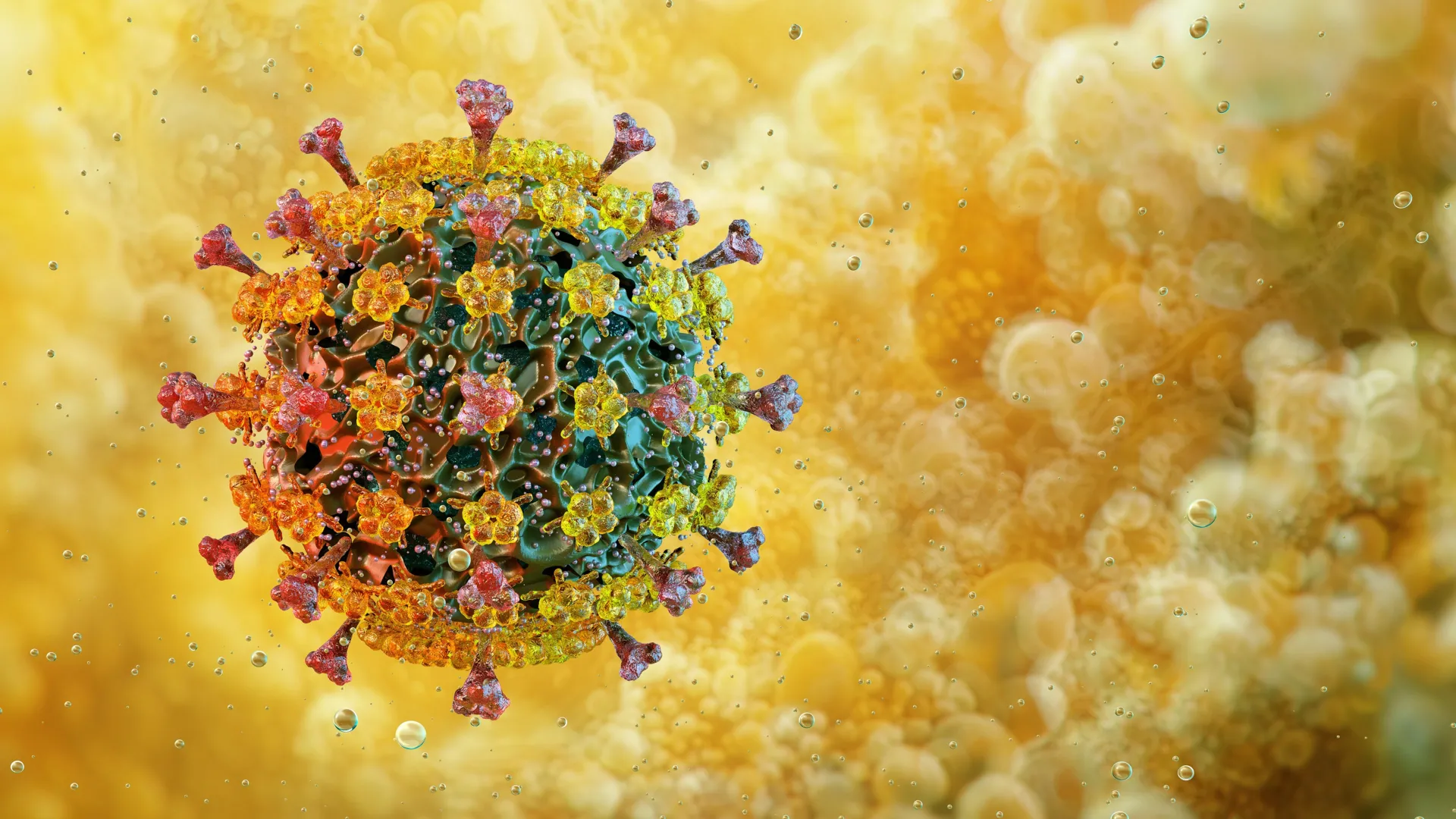
New research led by the universities of Cambridge and Glasgow has uncovered a critical mechanism by which avian influenza viruses can continue to multiply at temperatures warmer than a typical human fever, a discovery that fundamentally alters our understanding of viral pathogenesis and pandemic risk. This finding, published on November 28 in the esteemed journal Science, highlights a profound danger: fever, one of the human body’s primary defenses against viral infections, is rendered less effective against these avian strains, which possess a unique genetic advantage allowing them to thrive even under thermal conditions that typically inhibit other viruses. The study identifies a specific gene, PB1, as the central player in this temperature resistance, a gene historically implicated in major human flu pandemics and now spotlighted as a key factor in avian influenza’s potential to cause severe illness.
The Body’s Thermal Defense: Understanding Fever’s Role in Viral Combat
Fever represents an ancient and highly conserved immune response, a cornerstone of the body’s defense strategy against invading pathogens. When an infection takes hold, the hypothalamus in the brain raises the body’s core temperature, creating an environment less hospitable for many viruses and bacteria. For typical seasonal human influenza A viruses, this thermal elevation is highly effective. These common human strains are exquisitely adapted to replicate most efficiently in the cooler upper airways, where temperatures average around 33°C. Their replication efficiency significantly diminishes in the warmer lower respiratory tract, where temperatures are closer to the core body temperature of 37°C. A rise in core temperature to 39°C, 40°C, or even 41°C during a fever is usually sufficient to slow down or halt the spread of these viruses, limiting the infection and preventing severe disease. Until recently, the precise molecular mechanisms by which fever exerts its antiviral effects, and crucially, why some viruses appear to be impervious to this crucial defense, remained incompletely understood.
Avian Adaptation: A Different Thermal Niche and Evolutionary Advantage
Avian influenza viruses, however, operate under a different set of ecological and physiological parameters, having evolved in hosts like ducks, geese, and seagulls. In these natural avian hosts, these viruses frequently infect the gastrointestinal tract, an environment where internal temperatures can naturally range from 40°C to 42°C. This constant exposure to higher temperatures has driven the evolution of avian flu strains capable of robust replication in warm conditions. Unlike human strains that prefer cooler upper respiratory tracts, avian viruses are inherently adapted to thrive in warmer internal environments, including the lower respiratory tract, which is a common site of infection in birds and, worryingly, in humans who contract avian flu. Earlier cell culture experiments had provided preliminary hints that bird flu viruses exhibited greater tolerance to fever-level temperatures compared to human flu viruses. The new study builds upon this by employing sophisticated in vivo experiments using mouse models, offering a more comprehensive and biologically relevant insight into how fever protects against human strains and why this protection may be insufficient against avian strains.
Unveiling the Mechanism: The Mouse Model Experiment and Key Findings
To unravel the intricacies of fever resistance, scientists from Cambridge and Glasgow meticulously designed experiments using mice infected with influenza viruses. Crucially, mice do not typically develop a fever in response to influenza A virus infection, providing a controlled environment to simulate thermal changes. The researchers recreated fever conditions by externally increasing the ambient temperature of the mice’s enclosures, thereby elevating their core body temperature to levels comparable to a human fever.
In this controlled setting, the team compared the replication of a laboratory-adapted human-origin influenza strain, PR8 (a strain not pathogenic to humans), against various avian influenza strains. The results were stark and revelatory. Raising the mice’s body temperature to fever levels proved remarkably effective at inhibiting the replication of the human-origin flu virus. A modest increase of just 2°C was sufficient to transform what would otherwise be a severe, potentially deadly human-origin influenza infection into a mild and manageable one. This observation unequivocally demonstrated the profound protective effect of fever against typical human influenza viruses.
However, when avian influenza viruses were introduced under similar elevated temperature conditions, the outcome was strikingly different. These avian strains continued to replicate efficiently, largely unaffected by the thermal increase that had incapacitated their human counterparts. This finding provided compelling in vivo evidence that avian influenza viruses possess an inherent capacity to circumvent one of the human body’s fundamental antiviral defenses, confirming suspicions from earlier in vitro work and solidifying the understanding of their unique pathogenic potential.
The PB1 Gene: A Key to Avian Virulence and Pandemic History
The groundbreaking aspect of this research extends beyond merely observing temperature resistance; it identifies the genetic determinant responsible. The study pinpoints the PB1 gene as playing a central and critical role in this unique temperature tolerance. The PB1 gene is vital for the influenza virus, as it encodes a subunit of the RNA polymerase, an enzyme essential for copying the viral genome within infected cells. Viruses containing an avian-like PB1 gene were consistently able to withstand the high temperatures associated with fever and, consequently, caused serious disease in the mouse models.
This discovery holds profound historical and contemporary significance due to the well-documented phenomenon of genetic reassortment. Influenza viruses are notorious for their ability to swap genetic material when different strains co-infect the same host, such as pigs, which are often referred to as "mixing vessels" for influenza viruses. This genetic exchange can lead to the emergence of novel strains with entirely new characteristics. The research team highlighted that during the major flu pandemics of 1957 (Asian Flu, H2N2) and 1968 (Hong Kong Flu, H3N2), a crucial genetic segment – the PB1 gene – moved from avian influenza viruses into circulating human flu strains. This acquisition of an avian PB1 gene likely conferred a critical advantage to these emerging pandemic strains, enabling them to overcome the human fever response more effectively and contribute to the widespread and severe illness observed in those global outbreaks.
Historical Context and The Persistent Threat of Avian Influenza
The history of influenza pandemics is punctuated by events where zoonotic spillover and genetic reassortment have reshaped global health. The devastating 1918 "Spanish Flu" (H1N1) pandemic, estimated to have killed tens of millions worldwide, underscored influenza’s potential for global catastrophe. While the 1918 virus’s origins are complex, subsequent pandemics, notably the 1957 Asian Flu (H2N2) and 1968 Hong Kong Flu (H3N2), clearly involved the acquisition of avian gene segments by human viruses. The present research offers a molecular explanation for why these reassortment events led to highly virulent strains: the avian PB1 gene’s ability to confer fever resistance.
More recently, the world has grappled with highly pathogenic avian influenza (HPAI) strains, most notably H5N1 and, increasingly, H7N9, H5N6, and the currently widespread clade 2.3.4.4b H5N1. While human infections with these avian strains remain relatively rare and human-to-human transmission is generally inefficient, the cases that do occur are often severe, with alarmingly high fatality rates. Historically, H5N1 infections in humans have shown mortality rates exceeding 40%. The 2009 H1N1 "swine flu" pandemic also served as a stark reminder of the potential for novel influenza viruses, originating from animal reservoirs, to adapt and spread globally.
The findings from Cambridge and Glasgow reinforce the urgency of global surveillance efforts for avian influenza. Dr. Matt Turnbull, the study’s first author from the Medical Research Council Centre for Virus Research at the University of Glasgow, emphasized, "The ability of viruses to swap genes is a continued source of threat for emerging flu viruses. We’ve seen it happen before during previous pandemics, such as in 1957 and 1968, where a human virus swapped its PB1 gene with that from an avian strain. This may help explain why these pandemics caused serious illness in people." He further stressed, "It’s crucial that we monitor bird flu strains to help us prepare for potential outbreaks. Testing potential spillover viruses for how resistant they are likely to be to fever may help us identify more virulent strains."
Implications for Public Health and Future Treatment Strategies
This groundbreaking research has profound implications for pandemic preparedness, surveillance, and potentially even clinical management of influenza. Understanding precisely what makes avian flu viruses cause severe illness in humans is paramount for global health security. Senior author Professor Sam Wilson, from the Cambridge Institute of Therapeutic Immunology and Infectious Disease at the University of Cambridge, articulated this imperative: "Thankfully, humans don’t tend to get infected by bird flu viruses very frequently, but we still see dozens of human cases a year. Bird flu fatality rates in humans have traditionally been worryingly high, such as in historic H5N1 infections that caused more than 40% mortality." He added, "Understanding what makes bird flu viruses cause serious illness in humans is crucial for surveillance and pandemic preparedness efforts. This is especially important because of the pandemic threat posed by avian H5N1 viruses."
Enhanced Surveillance and Risk Assessment: The identification of the PB1 gene as a key determinant of fever resistance provides a tangible molecular marker for public health agencies. Future surveillance strategies for avian influenza strains circulating in poultry and wild birds, as well as in potential intermediate hosts like pigs, should prioritize not only the detection of new genetic combinations but also the specific assessment of the PB1 gene’s origin. Identifying a human-adapted influenza strain that has acquired an avian PB1 gene could signal a significantly higher pandemic risk, allowing for more targeted and rapid public health interventions. This includes enhanced genomic sequencing and phenotypic testing to assess the fever resistance of any potential spillover viruses.
Re-evaluating Fever Management: Perhaps one of the most intriguing, and potentially controversial, implications of this research pertains to the clinical management of fever. For decades, the conventional approach to fever has been to alleviate discomfort and lower body temperature using antipyretic medications such as ibuprofen, aspirin, or paracetamol. However, a growing body of clinical evidence, particularly concerning influenza A viruses, has suggested that aggressively lowering fever might not always be beneficial for patients and, in some contexts, could even inadvertently support viral spread. This new study provides a mechanistic basis for such observations: if a virus is resistant to thermal inhibition, then fever-reducing medications might remove one of the body’s natural defenses without impeding the virus’s replication, potentially prolonging or worsening the infection. The researchers acknowledge that these findings may eventually influence treatment recommendations, but stress that more extensive clinical studies will be necessary before any changes are made to current guidelines. The nuanced role of fever, especially in the context of viruses with differing thermal sensitivities, calls for a careful re-evaluation of therapeutic strategies.
Broader Impact on Antiviral Development: While the study focuses on a fundamental aspect of viral biology, its insights could indirectly inform future antiviral drug development. Understanding the specific viral proteins and genetic elements that confer such critical advantages to avian flu strains could lead to the identification of new targets for antiviral therapies. Inhibiting the function of the avian-like PB1 gene, for instance, could be a strategy to reduce the virulence of future pandemic strains.
The research was made possible by substantial funding from the Medical Research Council, with additional vital support from a consortium of prestigious organizations including the Wellcome Trust, Biotechnology and Biological Sciences Research Council, European Research Council, European Union Horizon 2020, UK Department for Environment, Food & Rural Affairs, and the US Department of Agriculture. This broad base of support underscores the collaborative and international effort required to tackle complex, global health threats like influenza. The findings represent a critical advancement in our understanding of influenza virus biology and underscore the urgent need for continued vigilance and innovative research in the face of evolving pandemic risks.
