
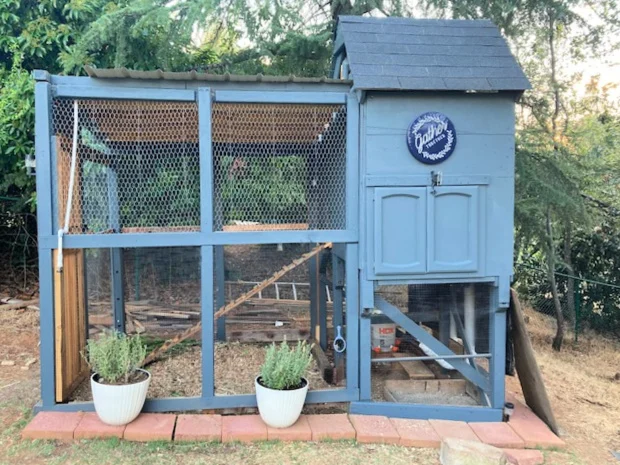
The rising interest in domestic food security and sustainable living has led to a significant surge in backyard poultry farming across North America, yet the high entry cost of infrastructure remains a primary obstacle for many aspiring hobbyists. Professional-grade chicken coops, which must provide protection from predators, adequate ventilation, and nesting space, can often command prices ranging from $800 to over $3,000 depending on size and material quality. However, a growing movement of "upcycling" is providing a viable alternative, as demonstrated by a family in Redding, California, who recently completed a high-functioning "chicken mansion" by converting a discarded children’s playhouse for a total expenditure of approximately $300. This case study highlights a broader trend in the circular economy where existing outbuildings—such as garden sheds, barn stalls, and playhouses—are being reimagined to facilitate small-scale agriculture while drastically reducing the carbon footprint associated with new construction.

The Economic Barrier to Backyard Poultry
For many households, the decision to raise chickens is driven by the desire for fresh, organic eggs and a reduction in reliance on commercial supply chains. However, the "break-even" point for backyard egg production is often pushed back by years due to the initial investment in a coop. According to industry data, the cost of lumber and specialized hardware has fluctuated significantly over the last three years, making DIY builds from scratch nearly as expensive as pre-fabricated kits.

The Redding project serves as a model for cost-mitigation. By utilizing an existing structure—the family’s outgrown playhouse—the core framing and roofing costs were essentially eliminated. The family’s expenditure of $300 was directed toward specialized modifications rather than basic structural components. This approach allows families to allocate their budget toward higher-quality feed, veterinary care, or superior predator-proofing materials, such as hardware cloth, which is more durable and secure than traditional chicken wire.

Chronology of a Conversion: From Play to Production
The transformation of the Redding playhouse followed a systematic approach that balanced aesthetic integration with functional necessity. The project began with the assessment of the existing playhouse, a structure that had served its primary purpose for the children but remained structurally sound. The conversion process involved several distinct phases that are typical of successful upcycling projects.

First, the family engaged in a "scrapping" phase, sourcing materials from their immediate environment and local community. This included reclaiming wood from old projects, utilizing cabinet pieces for interior fixtures, and repurposing an old closet door to serve as the main access point for the coop. Community involvement played a crucial role; friends and neighbors contributed tin roofing sections and tiles that would have otherwise been destined for a landfill.

Once materials were gathered, the structural modifications commenced. The family integrated repurposed cabinet doors to create easy-access nesting boxes, a design choice that facilitates egg collection without requiring the owner to enter the main coop area. The final aesthetic phase involved painting the structure to match the family’s primary residence, a step that not only improved the property’s visual cohesion but also provided an additional layer of weather protection for the reclaimed wood.

Educational and Developmental Impacts on Youth
The project in Redding was not merely an exercise in construction but served as a multi-generational educational initiative. The family’s children—Mya (17), Ezra (12), Eden Rose (10), and Joel (8)—were integral to every stage of the process. This involvement provides practical experience in STEM (Science, Technology, Engineering, and Mathematics) and agricultural sciences.

A significant portion of the family’s journey involved the attempted hatching of chicks. From a batch of eight eggs, the family successfully hatched two Barred Rock chicks. This process required Ezra to manually turn the eggs three times a day, a task that demands discipline and an understanding of avian embryology. While the low hatch rate was a source of emotional challenge for the younger children, it provided a factual look at the complexities of biological reproduction and the realities of farm life. To supplement their flock, the family acquired additional chicks, ensuring the coop reached its intended capacity.

Furthermore, the husband’s repurposing of a hinged pool-supply storage box into a brooder highlights the creative problem-solving inherent in homesteading. The inclusion of a "feather duster" next to the warming plate in the brooder simulates the presence of a mother hen, demonstrating an advanced understanding of animal behavior and welfare.

Technical Specifications and Animal Welfare Standards
When converting a playhouse into a chicken coop, several technical requirements must be met to ensure the health of the flock and compliance with general animal welfare standards. Experts in backyard poultry emphasize that a coop must provide at least 3 to 4 square feet of indoor space per bird, with an additional 10 square feet per bird in an outdoor "run."

- Ventilation vs. Drafts: Unlike a playhouse designed for children, a chicken coop requires constant airflow to prevent the buildup of ammonia from droppings and to manage humidity. The Redding family addressed this by ensuring the structure maintained breathability while shielding the birds from direct wind.
- Predator Proofing: Playhouses often have windows or gaps that are easily exploited by raccoons, foxes, or birds of prey. Successful conversions involve reinforcing these openings with 1/4-inch or 1/2-inch hardware cloth.
- Interior Fixtures: The installation of roosting bars is essential, as chickens have a natural instinct to sleep off the ground. These bars must be placed higher than the nesting boxes to discourage the birds from sleeping (and defecating) where they lay eggs.
- Ease of Cleaning: The use of linoleum flooring or specialized paints inside the coop can make the structure easier to sanitize, reducing the risk of respiratory diseases and mite infestations.
The Broader Impact: Sustainability and the Circular Economy
The Redding conversion project is a microcosm of a larger shift toward the circular economy in residential settings. By diverting materials from the waste stream—such as the "Dollar Tree" mirror used for chick enrichment and the donated roofing tiles—the family reduced the environmental impact of their agricultural venture.

According to the Environmental Protection Agency (EPA), construction and demolition (C&D) debris make up a significant portion of the waste generated in the United States. Repurposing existing structures like playhouses directly combats this issue. Moreover, the practice of "upcycling" fosters community resilience. The act of neighbors sharing surplus materials (like the tin roof pieces mentioned in the Redding case) strengthens local social ties and creates a support network for sustainable living.

Analysis of Implications for Urban and Suburban Planning
As more families follow the Redding example, municipal governments are increasingly being tasked with updating zoning laws to accommodate backyard flocks. The success of these "playhouse coops" often hinges on their aesthetic quality; a well-maintained, painted structure that matches the primary residence is less likely to draw complaints from neighbors or violate Homeowners Association (HOA) guidelines compared to makeshift or "shanty-style" coops.

The economic implications are also noteworthy. For a $300 investment, a family can secure a source of high-quality protein. Given current market trends, where egg prices can fluctuate due to avian flu outbreaks or supply chain disruptions, the "ROI" (Return on Investment) of a repurposed coop is achieved much faster than that of a high-end retail model.

Conclusion: A Model for Modern Homesteading
The Redding family’s transition from a children’s playhouse to a "chicken mansion" demonstrates that successful backyard farming is accessible to those willing to apply "elbow grease" and creative thinking. By utilizing scrap wood, donated materials, and repurposed household items, they created a safe, functional, and aesthetically pleasing environment for their poultry at a fraction of the commercial cost.

This project serves as an inspiration for other families to view their underutilized outbuildings not as clutter, but as the foundation for a more sustainable and self-sufficient lifestyle. As the trend of backyard husbandry continues to grow, the emphasis on upcycling and family-wide involvement will likely remain a cornerstone of the modern homesteading movement, proving that the most effective solutions for the future often involve the clever reuse of the past.
