
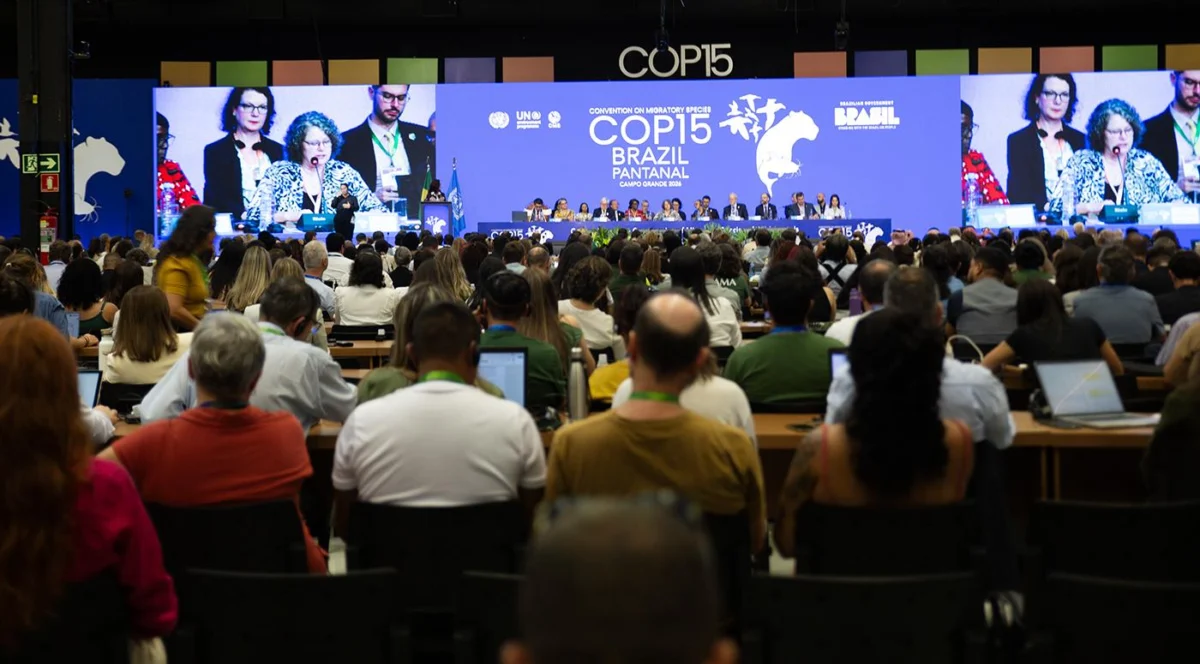
Campo Grande, Brazil – March 25, 2026 – The 15th Conference of the Parties (COP15) to the Convention on Migratory Species (CMS) in Brazil has underscored the indispensable role of wetlands and freshwater systems in global biodiversity conservation, climate regulation, water security, and the livelihoods of communities worldwide. Wetlands International, a key participant at the conference, has been at the forefront of discussions, advocating for the protection of these vital ecosystems and the species that depend on them. A significant outcome of the initial high-level segment was the adoption of the Pantanal Declaration, a landmark agreement that explicitly recognizes wetlands as critical sites for resting, feeding, breeding, and maintaining ecological connectivity along migratory routes.
The COP, hosted in Campo Grande, Brazil, strategically positioned near the vast Pantanal wetland, one of the world’s largest tropical wetlands and a flagship landscape for Wetlands International, commenced on Monday, March 23, 2026. The event brought together governments, international organizations, and conservation experts to address the escalating challenges facing migratory species and their habitats.
Pantanal Declaration: A Landmark Agreement for Migratory Species
The adoption of the Pantanal Declaration at the outset of the COP signifies a crucial step forward in recognizing the interconnectedness of biodiversity, climate, and human well-being. The declaration emphasizes the central role of wetlands and freshwater systems in:
- Biodiversity Conservation: Providing essential habitats for a vast array of species, including many migratory ones.
- Climate Regulation: Acting as critical carbon sinks and influencing regional weather patterns.
- Water Security: Serving as natural reservoirs and filters, ensuring the availability of clean freshwater.
- Community Livelihoods: Supporting diverse economic activities such as fishing, agriculture, and ecotourism.
Furthermore, the declaration specifically highlights wetlands as “critical sites for resting, feeding, breeding and connectivity along migratory routes,” acknowledging their irreplaceable function in supporting the life cycles of species that traverse vast distances. This recognition is particularly pertinent given that many migratory species are increasingly threatened by habitat degradation and loss.
Day 2: A Stark Warning on Freshwater Fish Migrations
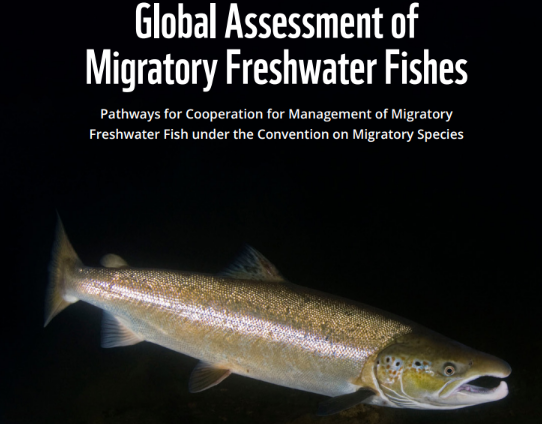
Tuesday, March 24, 2026, brought sobering news regarding the state of migratory freshwater fish populations. A new study released by CMS revealed that some of the planet’s longest and most vital freshwater fish migrations are in rapid decline, bordering on collapse. The assessment identified 325 migratory freshwater fish species as candidates for coordinated international conservation efforts, bringing to light a biodiversity crisis that has largely been overlooked.

These species, which play a crucial role in maintaining river health and supporting some of the world’s largest inland fisheries, are facing accelerating population declines. The primary drivers identified include extensive dam construction that fragments habitats, widespread pollution from agricultural and industrial sources, unsustainable fishing practices, and the profound impacts of climate change on freshwater ecosystems.
The Global Assessment of Migratory Freshwater Fishes paints a grim picture, classifying these species among the most imperiled wildlife on Earth. Coenraad Krijger, CEO of Wetlands International, commented on the findings, stating, “Migratory freshwater fish populations are in freefall: declining 81% since 1970. We need to accelerate efforts to safeguard their Swimways and invest in the conservation of these species, which are critical to communities and ecosystems across the globe. This is why migratory fishes are one of the priorities in Wetlands International’s new 10-year strategy.”
The assessment serves as an urgent call to action for the Parties at COP15, urging governments to implement concrete recommendations for protecting and restoring rivers to safeguard these critical migratory routes. Despite the grim statistics, the report also offers a roadmap for action, emphasizing the need for enhanced transboundary cooperation and investment in freshwater ecosystem conservation.
Day 1: A Focus on the Pantanal and Multilateralism
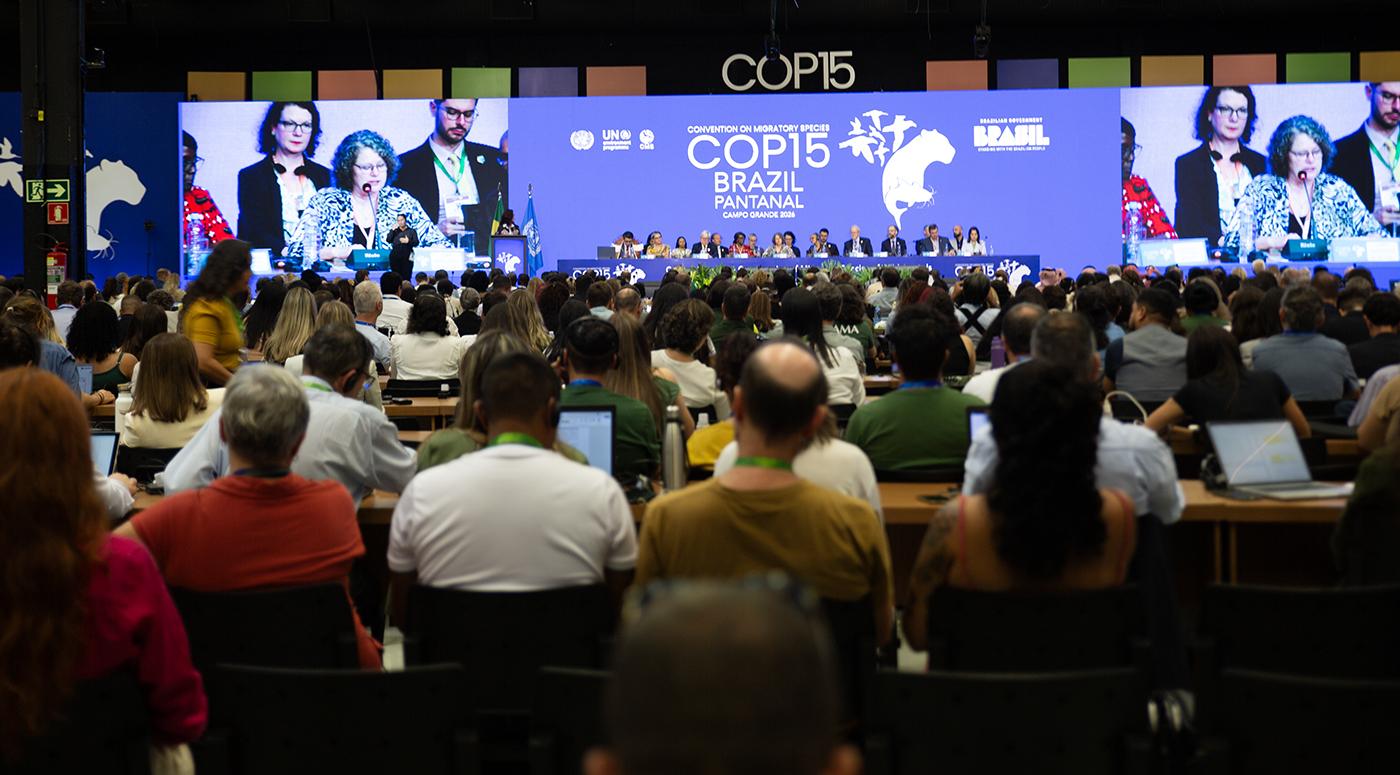
The opening day of COP15, Monday, March 23, 2026, was marked by the official launch of the conference and the immediate adoption of the Pantanal Declaration. Brazil’s Minister of Environment and Climate Change, Marina Silva, emphasized the symbolic significance of hosting the COP in a region so intrinsically linked to migratory species and wetland ecosystems. She urged delegates to take decisive action to ensure the continued survival of migratory species, highlighting the interconnectedness of their fate with human prosperity.
Minister Silva also articulated a broader vision for the COP, calling it an opportunity to “rekindle the light of multilateralism,” a sentiment that resonated throughout the early proceedings. This emphasis on international cooperation is vital for reversing the alarming trends of migratory species loss.
Amy Fraenkel, Executive Secretary of CMS, drew attention to the interim State of the World’s Migratory Species report. This critical document provides an overview of current extinction risks and population declines, underscoring the urgent need for enhanced cross-border collaboration to achieve the Convention’s objectives.
The conference agenda for the initial days included a broad range of topics, with some items being deferred to working groups, a common practice in COPs that can sometimes lead to a backlog of work towards the end of the meeting. Detailed updates on the negotiation progress were provided by the IISD (International Institute for Sustainable Development).
Wetlands International’s Active Engagement
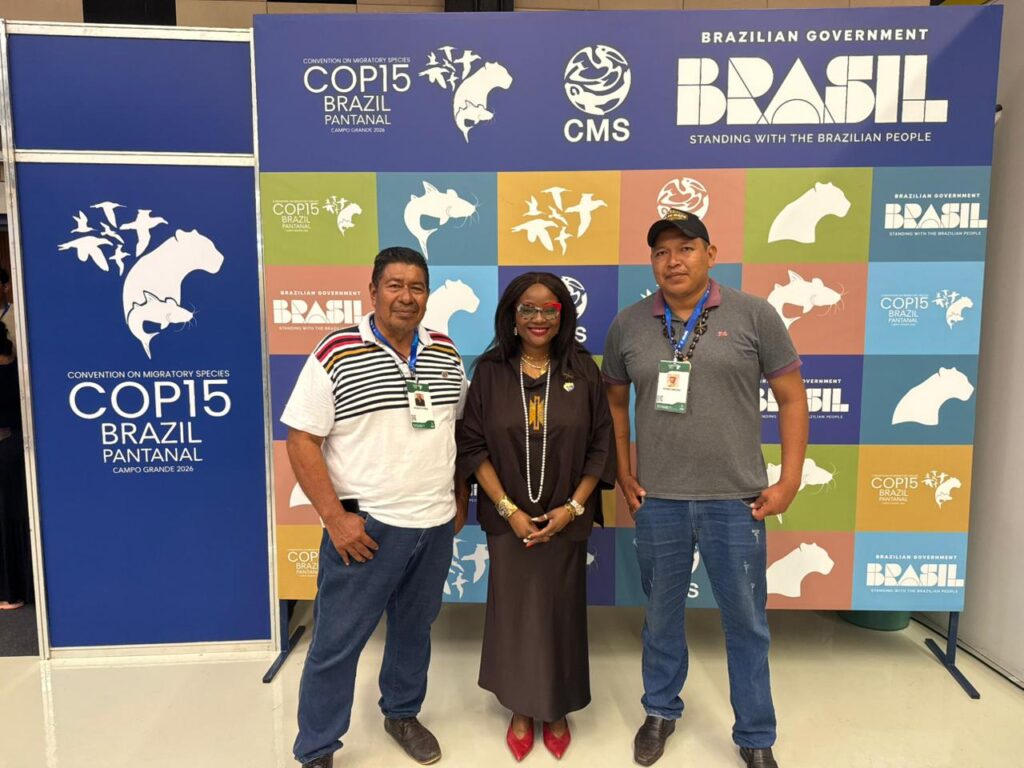
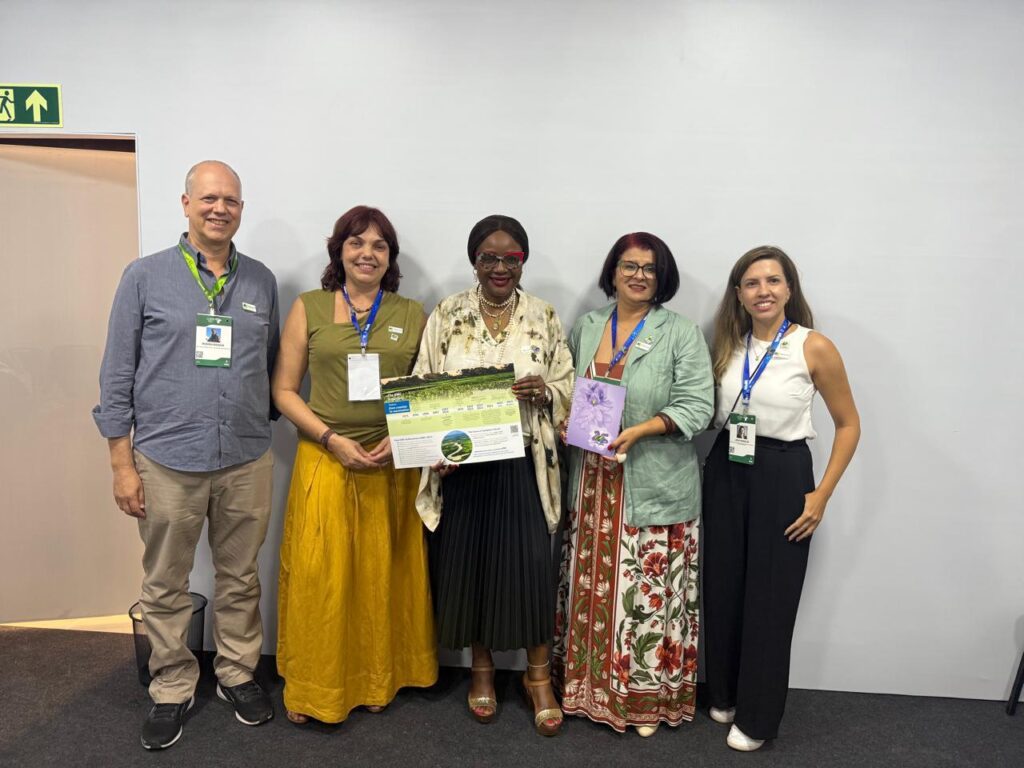
The Wetlands International delegation was actively engaged throughout the COP, participating in numerous events and corridor discussions. A particularly meaningful moment was facilitated by the organization, connecting Indigenous leaders from the Kadiwéu Territory with Dr. Musonda Mumba, the Secretary General of the Ramsar Convention.
Dr. Mumba, speaking during a high-level panel, made a compelling case for increased investment in wetland protection and restoration as a cornerstone for safeguarding migratory species and the ecosystems they inhabit. These ecosystems, she argued, are fundamental to the stability and functioning of human societies.
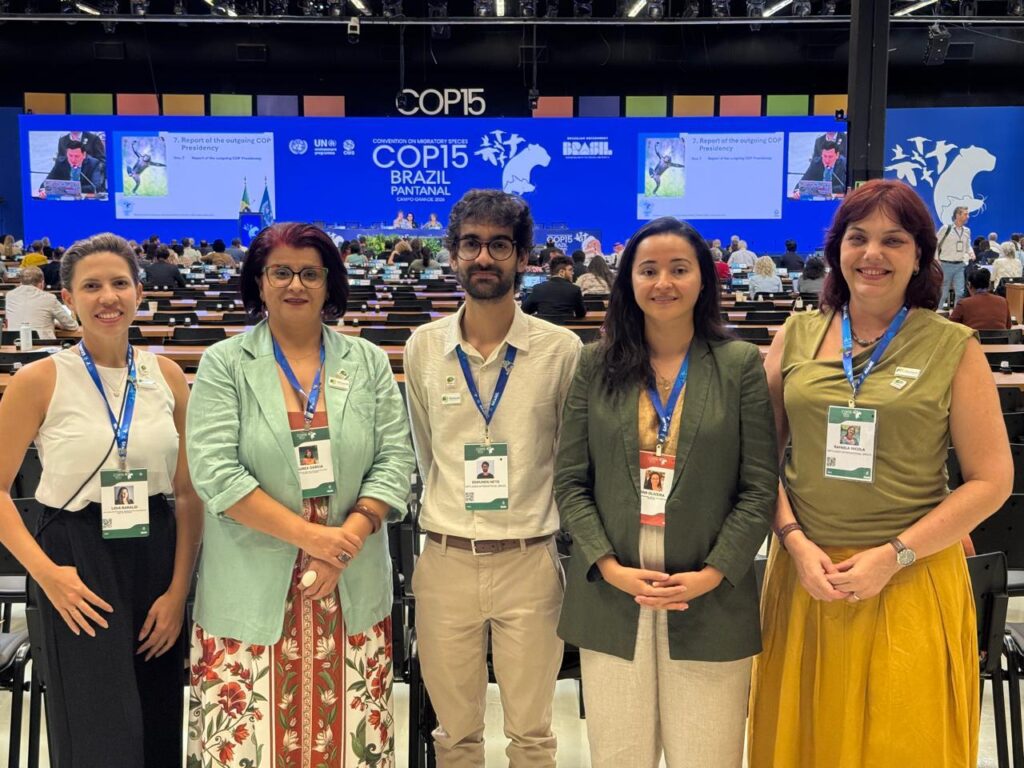
Rafaela Nicola, Director of Wetlands International Brazil, highlighted the strategic importance of the Paraguay-Paraná Wetland System, a vast transboundary region critical for both wetland conservation and migratory species. "Strengthening this dialogue with the Ramsar Convention is essential to connect local action in the Pantanal with global decision-making on biodiversity and climate," Nicola stated. This underscores the organization’s focus on reinforcing transboundary dialogue and wetland governance, particularly concerning the Paraguay-Paraná Wetland System.
A Photographic Exhibition Celebrating the Pantanal
Adding a cultural dimension to the COP proceedings, Wetlands International launched a photo exhibition titled “Pantanal: Landscapes and Lives in Motion.” The exhibition, featuring stunning images many contributed by Joeri Borst, showcases the Pantanal as a dynamic territory shaped by water, fire, and human interaction. It highlights the biome’s extraordinary biodiversity, home to over 4,700 documented species, and emphasizes the crucial role of Indigenous Peoples and local communities in its protection.
Alen Keller de Oliveira Gomes, Administrative and Financial Director of Mupan (Movimento Pan-Amazônico de Defesa do Meio Ambiente), described the exhibition as "an invitation to see the Pantanal beyond the landscape, as a territory of people, knowledge and active protection. Bringing these images to CMS COP15 connects local realities with global debates on biodiversity and climate." The exhibition served as a powerful reminder of the tangible impacts of conservation efforts and the intrinsic value of these natural wonders.
Broader Implications and Future Outlook
The discussions and declarations at CMS COP15 in Brazil carry significant implications for the future of migratory species and the health of our planet. The explicit recognition of wetlands in the Pantanal Declaration provides a strong mandate for increased conservation efforts and international cooperation. The dire warnings about freshwater fish migrations underscore the urgent need for systemic changes in how river systems are managed, including a greater emphasis on ecological flow and connectivity.
As the COP progresses, attention will remain focused on how these commitments translate into concrete actions and policy changes. The success of these initiatives will depend on sustained political will, increased financial investment, and robust partnerships between governments, conservation organizations, local communities, and the private sector. Wetlands International and its partners are committed to working collaboratively to ensure that the outcomes of COP15 lead to tangible improvements in the conservation of migratory species and their vital wetland habitats. The future of countless species, and indeed the ecological integrity of our planet, hinges on the effective implementation of the agreements forged at this critical gathering.
