
Panama’s status as a premier global destination for ornithological study and ecotourism was reaffirmed this month following a comprehensive ten-day expedition that traversed the nation’s diverse ecosystems. From February 13 to February 22, 2026, a specialized birding group documented 270 distinct avian species, ranging from the highland cloud forests of Cerro Azul to the remote wetlands of the Darién Gap. The expedition provided critical observations on migratory patterns, habitat health, and the success of local conservation initiatives within the Isthmus of Panama, a biological land bridge of immense ecological significance.

The expedition’s findings underscore the high density of biodiversity found within Panama’s protected areas and private reserves. By documenting a wide array of specialized species, including four types of trogons and rare raptors, the tour highlighted the intersection of North and South American avian populations. The data collected during this period, later uploaded to global databases such as eBird, serves as a vital record for researchers monitoring the impacts of climate change and habitat fragmentation on Neotropical bird populations.

The Highland Habitats of Cerro Azul and Chagres National Park
The expedition commenced with a focused study of the highland habitats within Cerro Azul, a gated community situated in the buffer zone of Chagres National Park. This region is characterized by its cooler temperatures and mist-shrouded forests, which support a unique assembly of species not found in the surrounding lowlands. A significant portion of the day’s data was gathered at a long-term monitoring site maintained by Jerry and Linda Harrison, who have operated a sophisticated feeder system for 13 years.

The Harrison site provided high-density observations of several key species, including the Rufous-winged Tanager and the Hepatic Tanager. Researchers and enthusiasts noted the presence of three species of honeycreepers—Green, Shining, and Red-legged—feeding in close proximity, a testament to the rich resource availability in this managed habitat. Of particular interest was the White-ruffed Manakin, a species known for its complex lekking displays, which provided rare, cooperative viewing opportunities.

The morning session also recorded seven species of hummingbirds, including the Snowy-bellied Hummingbird and the Bronze-tailed Plumeleteer. As the group transitioned back to the lower elevations, they observed a significant migratory event: dozens of Swallow-tailed Kites were documented diving and swooping over the canopy, indicating the commencement of seasonal movement patterns that are crucial for understanding regional population dynamics.

Eastern Expansion: Grasslands and the Lake Bayano Basin
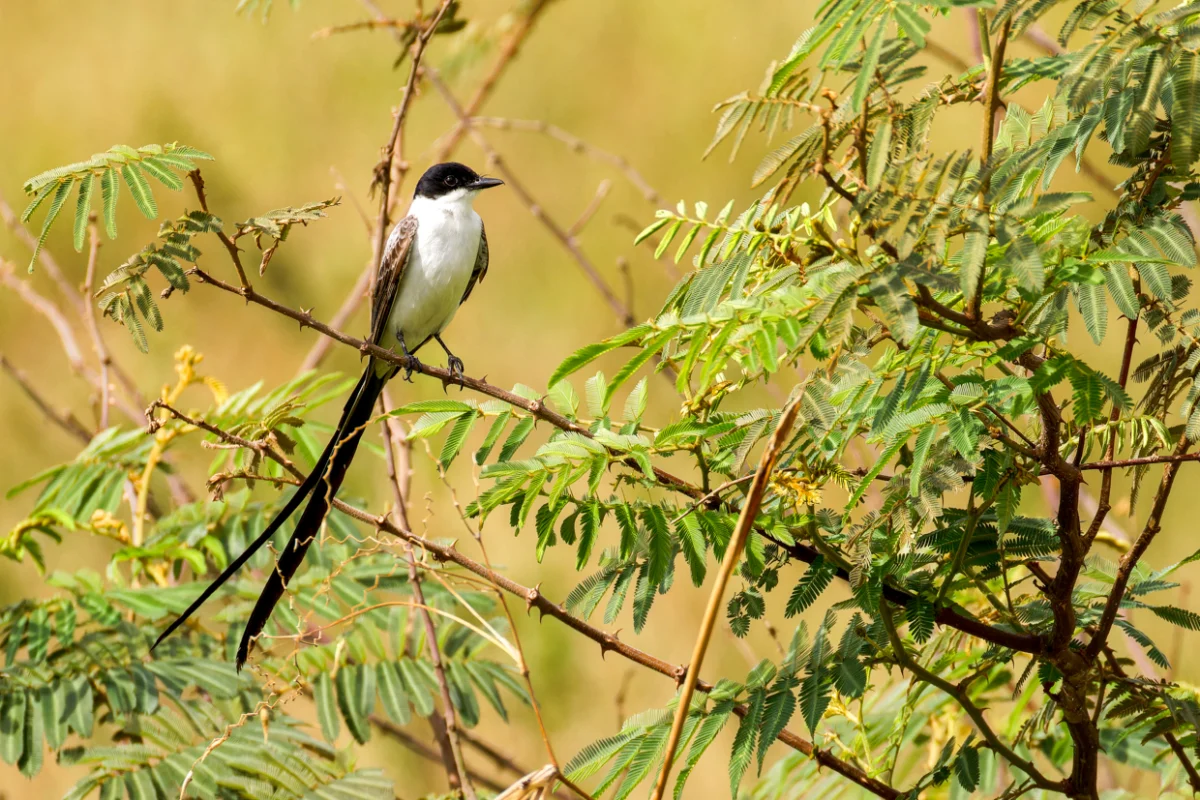
Moving eastward from Panama City, the expedition transitioned into the more open landscapes of the Camino de Tanara and the town of Chepo. These areas are dominated by cattle farms and secondary growth, offering a different ecological profile than the dense forests of Cerro Azul. In these grasslands, the group identified edge-specialist species such as the Sapphire-throated Hummingbird, Pied-water Tyrant, and the Fork-tailed Flycatcher.

The Lake Bayano bridge served as a critical observation point for aquatic and riparian species. Despite the intense heat and wind characteristic of the dry season, the group recorded the Bare-throated Tiger-Heron, a juvenile of which was seen hunting along the shorelines. This region acts as a corridor for raptors, evidenced by the sighting of a Short-tailed Hawk and a pair of Laughing Falcons. The data from this leg of the journey highlights the importance of maintaining "living fences" and riparian buffers within agricultural landscapes to support avian movement between larger forest fragments.

The Darién Frontier: Yaviza and the End of the Pan-American Highway
On the fourth day, the expedition entered the Darién province, a region of global renown for its untamed wilderness and the famous "Darién Gap," where the Pan-American Highway abruptly terminates. The journey to Yaviza provided a look into the logistical and environmental challenges of the region. Heavy, unseasonable rains initially hampered observations at El Salto, but the group successfully pivoted to the Yaviza wetlands north of the town.

In the wetlands and the forests bordering the Choco River, the expedition recorded four Black-tailed Trogons immediately upon arrival. The presence of the Great Black Hawk and the Ochre-lored Flatbill suggested a healthy, intact food web. Yaviza serves as a vital hub for local commerce, where cassava and bananas are transported via traditional canoes, reflecting a human-environment interaction that has remained relatively stable for decades.

Returning to the El Salto road as the weather cleared, the group encountered a "mixed-species flock," a phenomenon where different bird species forage together for increased protection and efficiency. This flock included the Crested Oropendola, Black-chested Jay, and the Purple-throated Fruitcrow. The documentation of a Golden-collared Manakin lek in this area further emphasized the Darién’s role as a stronghold for species that require large, undisturbed tracts of lowland forest.

Private Conservation and Nocturnal Ecology in Tortí
The expedition’s visit to the San Francisco Reserve, a private tract of land managed by the Franciscan church, highlighted the role of non-governmental organizations in forest preservation. The reserve is notable for its old-growth Cuipo trees (Cavanillesia platanifolia), which are essential nesting sites for many large birds of prey. The group observed Keel-billed Toucans and the Tropical Royal Flycatcher within this protected watershed.

One of the most scientifically productive segments of the tour occurred during a nocturnal excursion near Tortí. Night birding is essential for a complete biodiversity assessment, and the group successfully located the Common Potoo, the Striped Owl, and the American Barn Owl. These sightings confirm the presence of robust populations of nocturnal predators, which rely on the abundance of small mammals and large insects found in the region’s gallery forests.

As the expedition prepared to move back toward the Canal Zone, they recorded a Capped Heron along the Tortí River. This sighting was a highlight for the participants, as the species is often elusive and serves as an indicator of high-quality freshwater habitats.

The Panama Canal Zone: Pipeline Road and the Chagres River
The final leg of the journey focused on the world-famous Pipeline Road and the surrounding Gamboa Rainforest. Pipeline Road is legendary in the birding community for once holding the world record for the most bird species spotted in a 24-hour period. The expedition’s findings here were consistent with the area’s reputation, yielding sightings of four distinct trogon species: Slaty-tailed, Black-throated, Gartered Violaceous, and White-tailed.

The group also focused on "ant-following" birds, such as the Ocellated Antbird and the Bicolored Antbird. These species have a specialized symbiotic relationship with army ants, following their swarms to prey on the insects flushed out by the ants’ movement. Observing these interactions requires a high level of forest integrity, as these birds are often the first to disappear when forests are fragmented.

A boat tour of the Chagres River, the primary water source for the Panama Canal, allowed for the observation of specialized waterbirds. Dozens of Wattled Jacanas were seen navigating the floating vegetation, while Snail Kites and Ospreys patrolled the skies. The integration of the canal’s industrial utility with such high levels of wildlife activity remains one of Panama’s most unique environmental features.

Metropolitan Natural Park and Coastal Implications
The expedition concluded in Panama City at the Metropolitan Natural Park, the only tropical forest in Latin America located within a major metropolitan capital. This park serves as a critical "green lung" and a refuge for species like the Lance-tailed Manakin and the Bat Falcon. The ability of these species to persist so close to an urban center of nearly two million people is a point of significant interest for urban ecologists.

The final data set was collected at the coastal mudflats during low tide. The presence of migratory shorebirds—including the Whimbrel, Western Sandpiper, and Short-billed Dowitcher—highlights Panama’s role as a vital stopover point for birds traveling between the Arctic and South America. These mudflats are increasingly threatened by urban development and pollution, making the documentation of their continued use by migratory species a matter of conservation urgency.

Conclusion and Broader Impact
The 2026 Panama birding expedition concluded with a total of 270 species recorded, providing a comprehensive snapshot of the country’s current avian health. The success of the tour was attributed to the diverse range of habitats visited and the cooperation of local communities and private reserve owners.

From a journalistic and scientific perspective, the expedition highlights three major themes:

- The Resilience of Protected Corridors: Areas like Chagres National Park and the San Francisco Reserve continue to support high-density populations of specialist species.
- The Economic Value of Ecotourism: The hospitality and guiding services in regions like Tortí and Gamboa demonstrate that birding tourism provides a viable economic alternative to deforestation and intensive agriculture.
- The Importance of Citizen Science: The 270 species logged during this trip contribute to a larger body of data that tracks the health of the Neotropical environment, offering warnings or confirmations regarding the state of global biodiversity.
As Panama continues to balance its role as a global shipping hub with its commitment to environmental preservation, expeditions of this nature remain essential for monitoring the delicate balance of the Isthmus’s natural heritage.
