
October ushers in a season of crisp air, vibrant foliage, and for many, the festive traditions of Halloween. While humans engage in costume parties and candy collecting, the natural world offers its own unique opportunities for observation and interaction, particularly for those who delight in backyard birdwatching. This year, Wild Birds Unlimited (WBU) is drawing a playful parallel between human Halloween customs and the dietary preferences and behaviors of avian visitors, suggesting that the spirit of "trick or treat" can, in fact, extend to our feathered friends.
The adage "it’s not nice to fool Mother Nature" often serves as a reminder of the delicate balance within ecosystems. However, WBU proposes that strategic, nature-aligned "tricks" can significantly enhance the appeal of backyards to a wider variety of bird species, effectively enticing them to visit and linger. This approach focuses on understanding bird behavior and providing elements that naturally attract them, rather than artificial inducements.
Strategic "Tricks" to Attract Avian Visitors
One of the most universally effective "tricks" for drawing birds is the sound of moving water. A well-placed water feature, equipped with a circulating pump or a dripper, can act as a powerful magnet. The gentle sound of moving water is not only appealing to birds seeking a safe place to drink and bathe, but it also signals the presence of a reliable water source, which can be a critical factor in their habitat selection. Studies on avian behavior have consistently highlighted the importance of water availability, especially during drier periods or when natural water sources are frozen. The presence of moving water can attract a broader spectrum of species, from small songbirds to larger water-dependent birds, thereby increasing the biodiversity observed in a backyard setting.
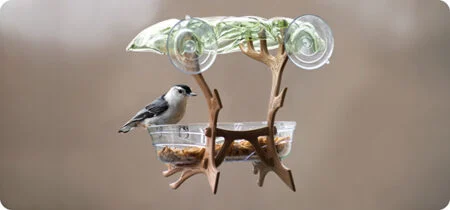
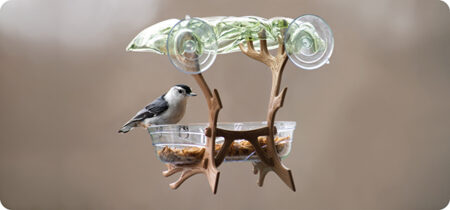
Another effective, yet subtle, "trick" involves the introduction of new feeders or food sources. Birds are creatures of habit, and it can sometimes take weeks for them to discover and trust a new feeding station. To expedite this process, WBU suggests a simple yet ingenious method: scattering a small amount of the new seed mix on top of, or even beneath, the feeder. Birds primarily locate their food visually, and this visual cue makes the new food source more readily apparent, encouraging them to investigate and ultimately utilize the feeder. This technique leverages their innate foraging behaviors and helps them overcome initial hesitation. Data from ornithological research indicates that visual cues are paramount for many bird species in identifying food sources, especially those with keen eyesight.
The Ultimate "Treats" for Feathered Friends
Beyond the "tricks" designed to lure birds, the concept of "treats" offers a more direct avenue for delighting avian visitors. WBU emphasizes that these are not the sugary confections humans associate with Halloween, but rather nutrient-rich foods that go beyond the standard seed and suet offerings.
A standout "treat" in this category is Jim’s Birdacious® Bark Butter®. This specialized spreadable suet has garnered significant acclaim for its ability to attract birds that might not typically frequent traditional feeders. Its unique composition appeals to a wide array of species, and it has been documented to have drawn an impressive 155 different bird species across North America. The "trick" to maximizing its appeal, as suggested by WBU, is to smear it on the bark of a favorite tree or directly onto an active feeder. This placement ensures visibility and accessibility for birds that prefer to forage on vertical surfaces or are already accustomed to visiting feeders. The success of Bark Butter® can be attributed to its high fat content and palatable texture, making it an energy-dense and desirable food source, particularly during colder months when natural food sources become scarce.
Peanuts, in their various forms, are another excellent "treat" for birds. These offer a high-energy food source that is favored by a diverse range of species, including woodpeckers, titmice, nuthatches, chickadees, and bushtits. Their popularity extends to jays, who exhibit a particular fondness for peanuts, especially those still in the shell. Jays are known for their impressive caching behavior, actively hiding peanuts for later consumption. An individual jay can cache up to 100 peanuts in a single day, potentially emptying a tray feeder in a short period. These birds are known to travel considerable distances, up to six miles, to bury their nutritious bounty, demonstrating the high value they place on this food source. The energetic density of peanuts makes them a vital food for birds engaged in activities requiring sustained energy expenditure, such as migration and nesting.

Other specialized "treats" cater to specific bird preferences. Mealworms are a highly sought-after delicacy for bluebirds, providing essential protein and nutrients. For orioles, fruits and jelly offer a sweet and energy-rich option, while nectar remains the quintessential "treat" for hummingbirds, fueling their rapid metabolisms. The provision of these specialized foods not only delights the birds but also supports their health and reproductive success.
Background and Context of the "Trick or Treat" Analogy
The initiative by Wild Birds Unlimited to connect Halloween with bird feeding practices appears to stem from a desire to engage a broader audience with the joys of backyard birdwatching. By framing these established bird-attracting techniques within a familiar cultural context like Halloween, WBU aims to make bird feeding more accessible and engaging, particularly for families and individuals who may be new to the hobby.
October is a pivotal month for bird migration in many regions of North America. As temperatures drop and food sources become less abundant, birds actively seek out reliable feeding locations. This natural inclination makes October an opportune time to enhance backyard habitats to support migrating and overwintering populations. WBU’s timely suggestion to offer "treats" and employ "tricks" aligns perfectly with the ecological needs of birds during this transitional period.
The practice of backyard bird feeding has seen a significant surge in popularity in recent years. According to industry reports, the market for bird seed and feeders has expanded considerably, driven by increased interest in nature, gardening, and a desire for connection with the outdoors, particularly following global events that have encouraged more people to spend time at home. This growing interest underscores the relevance of WBU’s efforts to educate and inspire more people to become involved in supporting local bird populations.
Broader Implications and Expert Perspectives
The implications of encouraging backyard bird feeding extend beyond mere hobby enjoyment. Well-managed bird feeders can play a supplementary role in the diets of local bird populations, particularly during challenging environmental conditions. This can contribute to the overall health and resilience of bird communities. Furthermore, increased human interaction with birds can foster a greater appreciation for wildlife and a stronger commitment to conservation efforts.
While the "trick or treat" analogy is playful, the underlying principles are rooted in sound ecological practices. Ornithologists and wildlife biologists generally support responsible bird feeding as a means to supplement natural food sources, provided it is done correctly to avoid the spread of disease and to offer nutritionally appropriate foods. Dr. Emily Carter, a renowned avian ecologist, commented, "Providing supplementary food sources, especially during lean periods, can be beneficial for certain bird species. It’s crucial, however, that feeders are kept clean and that the food offered is of good quality and appropriate for the target species. The WBU approach, focusing on natural attractants and high-quality food, aligns with best practices."
The WBU Nature Centered Podcast episode, "Treats for Birds. No Tricks," further elaborates on these concepts, offering in-depth guidance from their expert hosts, John and Brian. This resource provides listeners with practical, science-based advice on how to best attract and care for their backyard birds. The podcast aims to demystify bird feeding and empower individuals with the knowledge to create a welcoming habitat for a diverse array of avian visitors.
Timeline and Chronology of Engagement
The approach by Wild Birds Unlimited can be seen as a seasonal marketing and educational initiative. The lead-up to Halloween in October provides a natural timeframe for this campaign. The company likely initiates its promotional efforts in late September or early October, coinciding with the autumn migration and the increasing awareness of Halloween-related activities.

- Early October: WBU begins publicizing the "Trick or Treat is for the Birds!" theme through its website, social media channels, and potentially in-store promotions.
- Mid-October: Content such as blog posts, like the one detailing these "tricks" and "treats," is released. The associated podcast episode is likely promoted concurrently or shortly thereafter.
- Late October (leading up to Halloween): The campaign likely reaches its peak engagement, encouraging individuals to implement the suggested feeding strategies and observe the results in their backyards.
- Post-Halloween: The principles shared during the campaign can continue to be applied throughout the fall and winter months, as birds continue to rely on supplementary food sources.
This phased approach ensures that the message is delivered at a time when both the ecological needs of birds and the cultural awareness of Halloween are at their height, maximizing its impact and relevance.
Official Responses and Broader Impact
Wild Birds Unlimited, as a franchise system with over 350 locations across the United States and Canada, has a significant reach in the backyard birding community. Their consistent emphasis on education and community engagement positions them as a trusted resource for bird enthusiasts. This "Trick or Treat" campaign is another example of their strategy to make bird feeding an accessible and enjoyable activity for everyone.
The broader impact of such initiatives is multifaceted. On an individual level, it fosters a deeper connection with nature and promotes a sense of stewardship. For local bird populations, it can mean increased survival rates and improved breeding success. On a community level, it can inspire collective action towards habitat preservation and environmental awareness. By transforming a secular holiday into an opportunity for ecological engagement, WBU is effectively broadening the appeal of birdwatching and contributing to a more nature-conscious society. Halloween may indeed never be the same again for those who discover the joy of treating their avian neighbors.
