
Brussels, Belgium – February 25, 2026 – European Union decision-makers have come under heavy criticism today after the EU REACH Committee met to discuss a significantly revised proposal concerning the restriction of lead in ammunition, a move that effectively removes lead bullets from the scope of a previously more comprehensive ban. This latest development has sparked outrage among environmental and public health organizations, who argue that the European Commission’s amended text flagrantly disregards robust scientific consensus and the explicit demands of over 60,000 European citizens who had called for a complete prohibition on lead ammunition and fishing weights.
The weakening of the proposed restriction signals a concerning retreat from the EU’s stated environmental and public health commitments. The initial draft restriction, a culmination of years of scientific study and advocacy, aimed to address the pervasive environmental contamination and human health risks associated with lead, a known neurotoxin. However, the new version, championed by the European Commission itself, specifically carves out lead bullets, limiting the measure’s potential impact and leaving a significant source of lead pollution unchecked.
A Chorus of Public Outcry and Undeniable Evidence
The timing of this amendment is particularly poignant, coinciding with the closure of the influential #BanLeadNow petition, an initiative spearheaded by leading conservation groups including BirdLife Europe, the Royal Society for the Protection of Birds (RSPB), and the Wildfowl & Wetlands Trust (WWT). This campaign successfully mobilized more than 60,000 concerned citizens from across Europe, all advocating for an immediate and comprehensive ban on lead in all ammunition and fishing weights. Their collective voice underscored a widespread public desire for urgent action against the thousands of tonnes of toxic lead that continue to permeate Europe’s natural environments annually.
Further compounding the public’s clear stance, a recent survey conducted by EuroGroup for Animals revealed that a striking seven out of ten EU citizens unequivocally support a ban on lead ammunition. This overwhelming public mandate, alongside the scientific community’s consistent warnings, paints a picture of a policy decision that appears to be at odds with both expert advice and democratic sentiment.

Marion Bessol, Nature Conservation Policy Officer at BirdLife Europe and Central Asia, did not mince words in her condemnation of the Commission’s revised proposal. "Removing bullets from the proposal is not just shortsighted; it is a dangerous decision that turns a blind eye to the proven risks to human health and wildlife," Bessol stated. She dismissed claims that a civilian ban would unduly affect military preparedness as "cynical fearmongering," highlighting that the original proposal already incorporated "ample flexibility to ensure defence preparedness and avoid economic disruption." Bessol concluded by urging Member States to "adopt a robust restriction that will truly protect citizens and the environment."
The Pervasive Threat of Lead: A Scientific Imperative
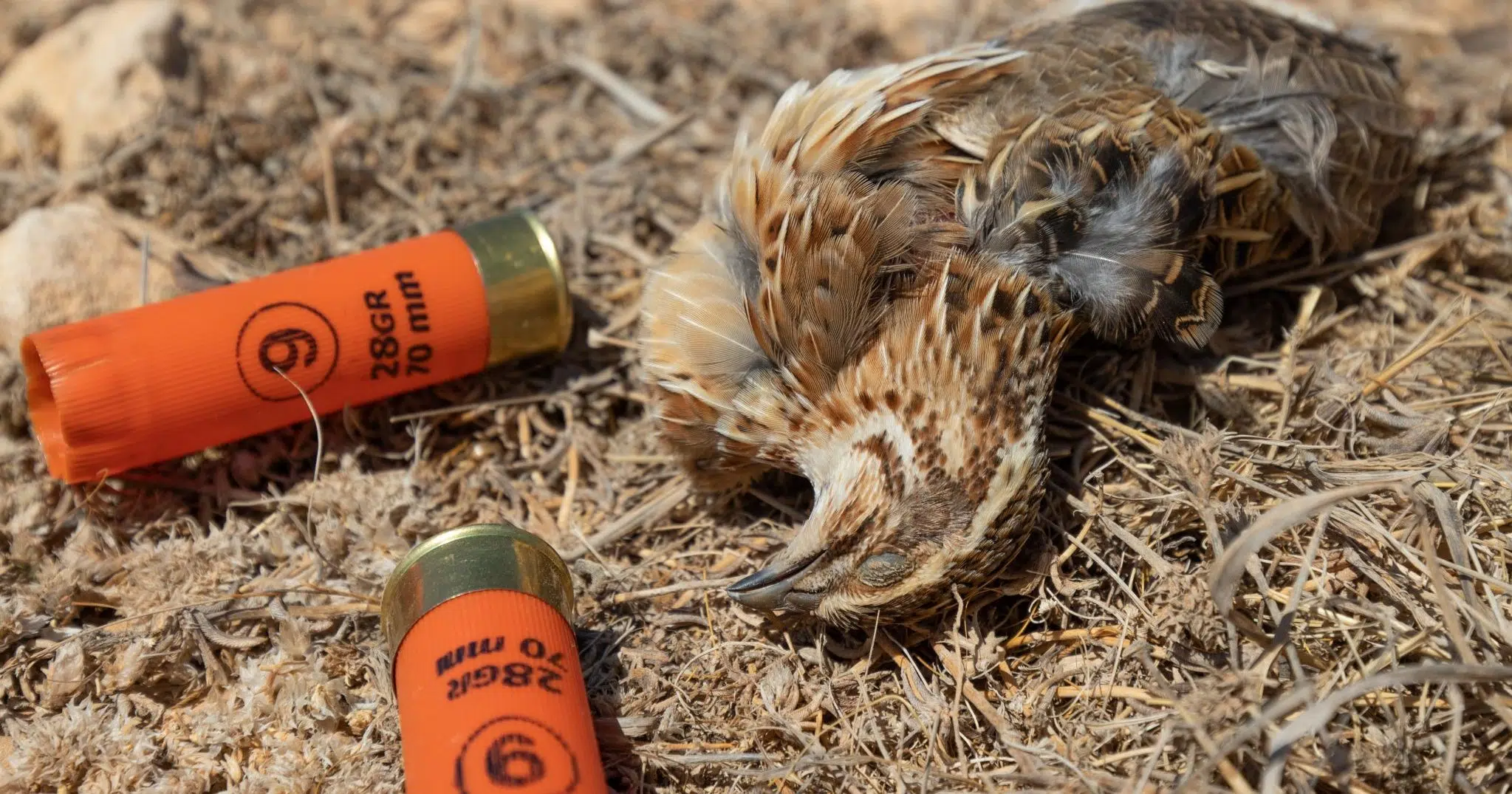
The scientific evidence detailing the dangers of lead ammunition is extensive and unequivocal. Lead bullets, particularly those used in hunting, are identified as a disproportionate and entirely preventable source of lead exposure. When a lead bullet strikes its target, it fragments into numerous tiny particles, often invisible to the naked eye, which can then contaminate the surrounding environment and, critically, the game meat consumed by families. Research consistently demonstrates that this contamination poses significant health risks, especially for vulnerable populations such as children and pregnant women, where even low levels of lead exposure can lead to irreversible neurological damage, developmental issues, and other severe health complications. The European Food Safety Authority (EFSA) has repeatedly warned about the risks associated with lead in game meat, emphasizing that there is no safe level of lead exposure.
Beyond human health, lead ammunition continues to exact a devastating toll on Europe’s biodiversity. Each year, it is estimated that over one million birds succumb to lead poisoning. Scavenging birds of prey, such as eagles and vultures, are particularly vulnerable as they ingest lead fragments from the carcasses of animals shot with lead ammunition. Waterfowl, too, are at high risk, often consuming spent lead shot mistaken for grit, leading to chronic poisoning and death. Iconic and already threatened species across the continent face an exacerbated struggle for survival due to this entirely preventable contaminant. The bioaccumulation of lead through the food chain creates a cascade of poisoning, affecting countless species from invertebrates to apex predators, thereby compromising the overall health and resilience of ecosystems.
Background: REACH and the Journey to Restriction
The current debate unfolds within the framework of the European Union’s Registration, Evaluation, Authorisation and Restriction of Chemicals (REACH) regulation, one of the world’s most comprehensive and far-reaching chemical safety laws. REACH aims to improve the protection of human health and the environment from the risks that can be posed by chemicals. The European Chemicals Agency (ECHA), the scientific and technical body responsible for implementing REACH, had initially prepared a comprehensive proposal for a restriction on lead in ammunition and fishing weights. This proposal, based on extensive scientific assessments, identified lead as a substance of very high concern due to its toxicity and persistence in the environment.
The ECHA’s initial proposal, published in 2021, outlined a restriction on lead in shot, bullets, and fishing weights. It detailed the significant environmental release of lead from these sources—estimated at thousands of tonnes annually—and the widespread adverse impacts on wildlife and humans. The proposal also explicitly addressed concerns raised by the hunting and shooting communities, providing derogations for certain uses and outlining transition periods to facilitate a switch to non-toxic alternatives. Notably, the initial proposal had already offered permanent derogations for the use of lead bullets at outdoor shooting ranges, meaning the restriction would have primarily targeted hunting applications. This distinction is crucial, as hunting bullets account for a relatively small fraction of overall lead ammunition production – approximately 134 tonnes a year compared to 42,000 tonnes for sports shooting. This context further undermines the argument that a full ban would significantly impact military supply chains or cause substantial economic disruption for ammunition manufacturers.

Growing Momentum for Non-Toxic Alternatives
Despite the setback in Brussels, the momentum for a transition to non-toxic alternatives continues to build across various sectors. Public health professionals, a broad coalition of scientists, and conservation organizations have consistently called for a decisive shift away from lead. Increasingly, their calls are being echoed by a growing number of responsible hunters and fishers who recognize the ethical and environmental imperative of adopting safer alternatives.
An open letter signed by leading European scientists underscores the critical point that viable non-toxic alternatives are not only available but are also performing effectively. Materials like steel, bismuth, and tungsten are increasingly utilized in ammunition, offering comparable ballistic performance without the associated environmental and health hazards of lead. The letter highlights that the continued use of lead ammunition constitutes an unnecessary risk to both human health and biodiversity, especially given the proven efficacy and accessibility of these alternatives.
Several European countries have already taken decisive action, acknowledging the severe threats posed by lead. Denmark, for instance, has been a trailblazer, adopting comprehensive restrictions on both lead shot and bullets, demonstrating that such bans are both feasible and effective in safeguarding ecosystems and public health. More recently, the United Kingdom also achieved a significant milestone by announcing a ban on lead ammunition for outdoor shooting, signaling a growing international consensus on the urgency of this issue. These national precedents serve as powerful examples that a comprehensive ban is not only achievable but also represents a progressive and responsible approach to environmental stewardship.
Political Pressures and Implications of the Weakened Stance
The European Commission’s decision to weaken the proposal is likely the result of complex political and economic pressures. While the stated goal of REACH is to protect health and environment, the process often involves intricate negotiations and compromises between various stakeholders, including powerful industry lobbies, national governments with differing priorities, and environmental advocates. Hunting organizations and ammunition manufacturers have historically argued against comprehensive bans, citing concerns about the cost and availability of alternatives, potential impacts on hunting traditions, and the aforementioned (and largely debunked) military preparedness arguments.
The implications of this weakened stance are far-reaching. Environmentally, it means continued lead contamination of terrestrial ecosystems, further endangering scavenger species and contributing to the overall burden of persistent toxic substances. For public health, it ensures ongoing exposure risks, particularly for consumers of wild game, undermining efforts to reduce lead levels in the human population. Economically, while it may offer short-term relief to a segment of the ammunition industry, it potentially creates long-term costs associated with environmental remediation and public health interventions. Politically, the decision risks eroding public trust in the EU’s ability to act decisively on scientific evidence and public demand, potentially fostering cynicism towards its environmental protection mandates. It also raises questions about the EU’s global leadership in chemical regulation, setting a precedent that might be viewed as a concession to vested interests over public welfare.
The Road Ahead: Member States Hold the Key
With the European Commission having put forward its revised, weakened proposal, the responsibility for the ultimate decision now rests squarely with the EU Member States. The REACH Committee’s discussions are a critical step in the legislative process, but the final outcome will depend on how individual Member States vote on the restriction. Environmental and public health organizations are now shifting their focus, intensifying their lobbying efforts at the national level, urging Member States to uphold scientific evidence and public desire. They call for a united front to deliver a strong and effective restriction on lead, one that truly protects citizens and the environment without further delay.
The battle for a lead-free Europe is far from over. The decision-makers in national capitals now face a stark choice: to heed the warnings of scientists and the overwhelming voice of their citizens, or to allow continued environmental degradation and public health risks by endorsing a diluted, ineffective regulation. The eyes of over 60,000 petitioners, countless scientists, and concerned citizens across Europe are now firmly fixed on the Member States, awaiting a decision that will define the future of lead regulation in the Union.
