
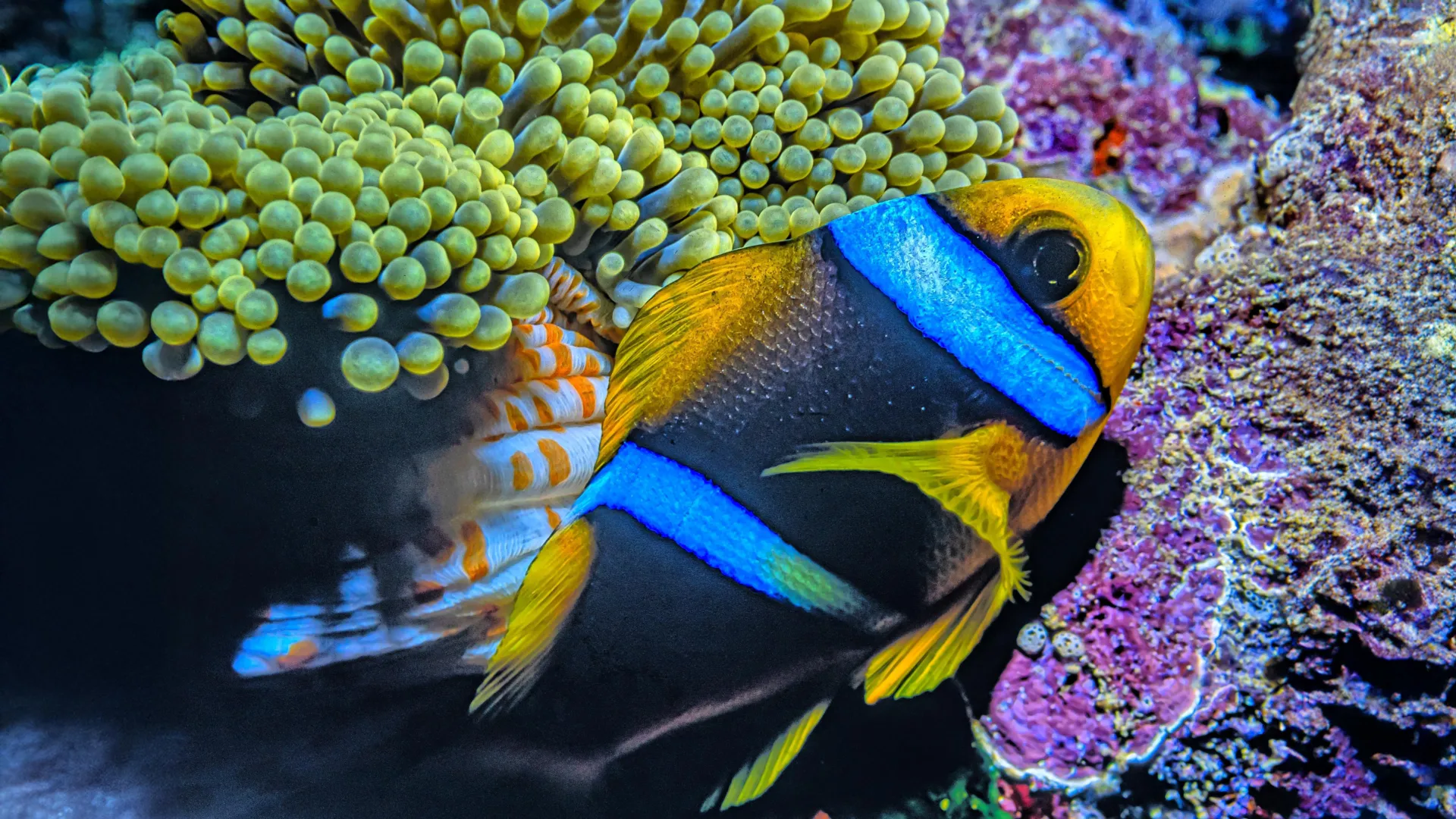
A new scientific analysis has delivered a stark warning about the pervasive reach of plastic pollution, confirming its presence in even the most isolated Pacific coastal waters and highlighting a significant threat to the food security of vulnerable island communities. Published on January 28, 2026, in the open-access journal PLOS One, the groundbreaking research reveals that approximately one-third of fish living near Pacific Island Countries and Territories (PICTs) contain microplastics. The study, led by Jasha Dehm of the University of the South Pacific, indicates particularly alarming contamination levels in Fiji, where nearly three-quarters of sampled fish were found to contain these microscopic plastic particles.
This comprehensive investigation underscores microplastics as a growing global concern, with documented adverse effects on marine ecosystems and escalating potential risks to human health. While PICTs are often perceived as pristine and geographically remote, researchers contend that these nations may face an elevated exposure burden. This vulnerability stems from a confluence of factors, including rapid urban growth, burgeoning consumption patterns, and often constrained waste and water management infrastructure. For many coastal communities across the region, fish serves as an indispensable cornerstone of daily life, providing essential sustenance, income, and deep-seated cultural significance. The pervasive presence of microplastics within these vital food sources thus raises profound concerns about the long-term health implications of consuming contaminated seafood, as well as broader issues of environmental justice and food sovereignty. Prior to this study, critical data gaps existed regarding the extent of microplastic contamination in fish commonly consumed across the PICTs.
The Pervasive Threat of Microplastics: A Global Overview
Microplastics, defined as plastic particles smaller than five millimeters, represent a ubiquitous pollutant in marine environments. They originate from various sources, broadly categorized into primary and secondary microplastics. Primary microplastics are intentionally manufactured at this size, such as microbeads found in certain cosmetics and industrial abrasives, or plastic pellets (nurdles) used in manufacturing. Secondary microplastics, which constitute the vast majority, result from the fragmentation of larger plastic debris—items like plastic bottles, bags, fishing nets, and synthetic textiles—through processes of physical abrasion, UV radiation, and biological degradation.
Once in the environment, these minute particles can travel vast distances through ocean currents, atmospheric transport, and waterways, ultimately accumulating in marine ecosystems worldwide. Their persistent nature means they do not biodegrade but rather break down into even smaller nanoparticles, making their removal exceptionally challenging. Documented impacts on marine life include ingestion, which can lead to physical blockages, internal injuries, a false sense of satiety leading to starvation, and the leaching of harmful chemicals (additives from the plastic itself, or adsorbed pollutants from the environment) into tissues. These chemicals can disrupt endocrine systems, impair reproduction, and compromise immune responses in various marine species. The potential for bioaccumulation and biomagnification up the food chain, ultimately reaching human consumers, remains a significant area of ongoing scientific inquiry and public health concern. Globally, an estimated 8 to 12 million metric tons of plastic waste enter the oceans annually, with microplastics forming a substantial and insidious component of this vast influx.
Pacific Island Nations: Remoteness Versus Amplified Vulnerability
The popular image of Pacific Island nations often conjures pristine, untouched paradises, far removed from the industrial pollution of developed countries. However, this study, alongside mounting evidence, shatters the illusion that geographic isolation offers inherent protection from global environmental crises. PICTs, despite their relative remoteness, exhibit a unique set of vulnerabilities that heighten their exposure to plastic pollution.
Firstly, many island nations are experiencing rapid urbanization and population growth in coastal areas. This demographic shift is accompanied by an increase in consumption patterns, leading to a corresponding surge in waste generation, particularly single-use plastics. Secondly, waste management infrastructure in many PICTs remains severely underdeveloped. Limited land area often precludes the establishment of large, modern landfills, while recycling facilities are scarce or non-existent due to high operational costs, lack of markets for recycled materials, and the prohibitive expense of transporting waste off-island. Consequently, open burning, informal dumping, and direct ocean disposal are not uncommon practices, leading to a direct leakage of plastics into the marine environment. Furthermore, PICTs are often situated within major ocean current systems that can funnel plastic debris from distant sources onto their shores and into their waters, creating ‘garbage patches’ and accumulating litter along coastlines and in remote reefs. The very reliance of these communities on their marine resources—for sustenance, livelihoods, and cultural identity—magnifies the implications of ocean pollution, making them disproportionately susceptible to its impacts.
Unveiling the Contamination: Methodology and Key Findings
To bridge the existing research gap, the scientific team embarked on an extensive analysis of data concerning 878 coastal fish, encompassing an impressive 138 different species. These fish were collected by local fishing communities around four key PICTs: Fiji, Tonga, Tuvalu, and Vanuatu. The study leveraged published records from the Global Information Biodiversity Facility, a critical resource for biodiversity data.
The overall findings painted a concerning picture: approximately one in three fish (roughly 33%) was found to contain at least one microplastic particle. However, the results exhibited significant variation across the surveyed islands, underscoring localized factors influencing contamination levels. Fiji emerged with the highest contamination rate, where nearly 75% of the sampled fish contained microplastics. This figure stands remarkably high, substantially exceeding the widely reported global average for fish contamination, which typically hovers around 49%. While the prevalence of microplastics in Fiji’s fish was exceptionally high, the study noted that the actual amount of plastic found within each individual contaminated fish remained relatively low. In stark contrast, Vanuatu presented a much lower incidence of contamination, with only about 5% of sampled fish showing evidence of microplastic ingestion. Data for Tonga and Tuvalu, while not explicitly detailed in percentages in the original summary, indicated intermediate levels of contamination, highlighting a regional gradient.
Beyond overall island averages, the study also identified specific species that were consistently affected. Two species, the thumbprint emperor (Lethrinus harak) and the dash-and-dot goatfish (Parupeneus barberinus), were present in catches from all four countries. Intriguingly, both of these species exhibited markedly higher microplastic contamination levels in Fiji compared to their counterparts sampled in Tonga, Tuvalu, and Vanuatu, suggesting localized environmental pressures and feeding conditions play a critical role.
Ecological Traits: Unraveling the Mechanisms of Ingestion
A crucial aspect of the research involved exploring the ecological factors that predispose certain fish species to microplastic ingestion. The research team employed data from a global database of fish species to analyze how various ecological traits—such as diet, feeding behavior, and preferred habitat—influenced their contamination rates. This approach allowed for a deeper understanding of the pathways through which microplastics enter the marine food web.
The findings revealed distinct patterns. Fish species strongly associated with coral reefs and those that inhabit the seafloor (benthic species) were significantly more likely to contain microplastics compared to fish found in lagoons, open coastal waters, or the vast open ocean. This suggests that microplastics tend to accumulate in benthic and reef environments, making them readily accessible to species residing there. Furthermore, the study pinpointed specific feeding habits as key predictors of contamination. Species that primarily feed on invertebrates, those that forage along the bottom sediments, and ambush predators—fish that lie in wait for their prey—all exhibited higher rates of microplastic ingestion. This suggests that these feeding strategies inadvertently lead to the consumption of microplastics that have settled on the seabed or are embedded within the prey items themselves. The "dominance of fibers" in the samples, as noted by Dr. Rufino Varea, aligns with these ecological findings, as textile fibers from synthetic clothing and fragments of fishing gear are common types of microplastics that settle in benthic environments and can be ingested by bottom-feeding and reef-associated organisms.
A Stark Warning for Pacific Food Systems and Livelihoods
The findings of this study deliver a profound and urgent warning regarding the vulnerability of food systems in the Pacific, particularly given the region’s heavy reliance on marine resources. The research indicates that the very fish species most accessible and integral to the subsistence livelihoods of Pacific islanders are acting as unintended reservoirs for synthetic pollution.
Dr. Rufino Varea, a key contributor to the study, emphasized this critical point: "Beyond the ecological insights, this study delivers a stark warning about the vulnerability of our food systems: we found that the reef-associated and bottom-feeding fish most accessible to our subsistence fishers are acting as reservoirs for synthetic pollution, particularly in Fiji, where nearly three-quarters of sampled individuals contained microplastics." This high prevalence in Fiji, a nation with significant population density and coastal development, is particularly concerning. The economic implications are also substantial, as artisanal and commercial fisheries are vital sources of income and trade for many island communities. Culturally, fish are interwoven into the fabric of Pacific societies, central to traditions, ceremonies, and identity. Contamination of these fundamental resources threatens not only physical health but also cultural heritage and economic stability.
Dr. Amanda Ford further elaborated on the unique challenges faced by PICTs. While the levels of microplastics in Pacific fish might, in some instances, be lower than those found in heavily industrialized regions, the impact is amplified by the dietary reliance on fish. "While microplastic levels in Pacific fish are generally lower than in many industrialized regions, Pacific communities rely far more heavily on fish as a primary protein source," Dr. Ford noted. This means that even lower concentrations, when consumed frequently and in larger quantities as a primary dietary component, could pose a significant aggregate risk. Dr. Ford also highlighted the pervasive "major data gaps across the region," underscoring why "locally generated evidence is essential as Global Plastics Treaty negotiations advance and are translated into national policies." The study directly addresses this need for localized, actionable data.
Addressing the Waste Management Crisis in Island Nations
Jasha Dehm’s statement, "national disparities highlight the failure of current waste management systems, or lack thereof to protect even remote island ecosystems," directly points to the systemic issues underpinning the observed contamination levels. The disparity between Fiji’s high contamination and Vanuatu’s relatively low levels strongly suggests that local waste management practices and population pressures play a crucial role.
Waste management in small island developing states (SIDS) presents a unique set of formidable challenges. These include a scarcity of land for landfills, making proper waste disposal a spatial conundrum. The high costs associated with importing consumer goods mean a corresponding high volume of packaging waste, much of which is plastic. Exporting waste for recycling or treatment is prohibitively expensive due to transportation costs and a lack of regional infrastructure. This often leads to informal waste practices, including open burning, which releases toxic fumes, and direct dumping into coastal areas or rivers, from where plastics inevitably enter the ocean. The "dominance of fibers" mentioned by Dr. Varea in the fish samples is particularly indicative. Fibers largely originate from synthetic textiles during laundry cycles, entering waterways via wastewater, or from the breakdown of fishing gear. This points to a pervasive infiltration that is not merely a "visible, coastal management issue" of large debris but a more insidious problem of microscopic contaminants. Effective waste management in PICTs requires significant investment in infrastructure, capacity building, and innovative, context-specific solutions, moving beyond simply managing visible litter to addressing the microplastic threat at its source.
The Global Plastics Treaty: A Crucial Juncture for Policy
The timing of this study is particularly critical, coinciding with ongoing international negotiations for a legally binding Global Plastics Treaty. This treaty aims to address the full lifecycle of plastic, from its production and design to its consumption and disposal, with the goal of ending plastic pollution. The findings from the PLOS One study provide invaluable, urgent evidence that strengthens the imperative for robust and far-reaching policy interventions.
Dr. Rufino Varea articulated a powerful call to action that directly challenges the prevailing narrative around plastic pollution solutions: "This data shatters the illusion that our remoteness offers protection and provides the evidentiary basis we need to reject downstream solutions — such as recycling schemes — as insufficient. Instead, it compels us to demand a Global Plastics Treaty that enforces strict caps on primary plastic production and toxic additives, as this is the only viable way to safeguard the health and food security of Pacific peoples." This statement underscores a central debate within the treaty negotiations: the efficacy of "downstream" solutions (focused on waste management, recycling, and clean-up) versus "upstream" solutions (focused on reducing virgin plastic production, eliminating harmful chemicals, and promoting reuse systems). The study’s results, especially the pervasive nature of microfibers and the high contamination rates even in remote areas, lend significant weight to arguments for stronger upstream interventions. For PICTs, who are frontline communities experiencing the impacts of a global problem, advocating for strict caps on primary plastic production is seen as the most effective means to stem the flow of pollution at its source, rather than perpetually managing an ever-growing volume of waste. The study’s data will undoubtedly serve as a critical evidence base for negotiators representing vulnerable nations, urging the translation of global commitments into effective national policies that protect both ecosystems and human populations.
Beyond the Plate: Broader Environmental and Health Implications
The environmental implications of this study extend beyond the immediate concern for fish contamination. The widespread presence of microplastics in reef-associated and benthic species highlights the vulnerability of critical marine habitats, such as coral reefs, which are biodiversity hotspots and crucial for coastal protection and fisheries. Microplastics can alter these delicate ecosystems, potentially impacting the health of corals, the reproductive success of various species, and the overall resilience of reef systems already under stress from climate change and ocean acidification.
From a human health perspective, while the study focused on fish contamination rather than direct human health outcomes, the findings contribute to a growing body of evidence indicating potential risks. Ingesting microplastics through contaminated seafood introduces these particles, along with any adsorbed toxins, into the human digestive system. The scientific community is actively researching the long-term health effects of microplastic exposure, including potential for inflammation, disruption of the gut microbiome, endocrine system interference, and even cellular damage. While definitive conclusions are still emerging, the pervasive nature of this contamination in a primary food source for millions necessitates a precautionary approach and urgent action.
A Call for Integrated Solutions and Future Research
This pivotal research, made possible through funding from the Asia Pacific Network for Global Change Research (Grant CRRP2022-05MY-Ford), under the project "Establishing Baselines for Marine Plastics and Bridging Indigenous Knowledge with Ocean Policy to Improve Livelihood Security in the Pacific," represents a critical step in understanding and addressing plastic pollution in one of the world’s most vulnerable regions.
The findings collectively issue a clear call for an integrated, multi-faceted approach to combat microplastic pollution. This must encompass not only significant improvements and investments in local waste management infrastructure and capacity within PICTs but also robust international cooperation to tackle the problem at its source. Policy changes at both global and national levels, particularly those aimed at drastically reducing primary plastic production and eliminating toxic additives, are paramount. Continued monitoring and extensive research, especially in data-sparse regions, remain essential to track the progression of this pollution and assess the effectiveness of mitigation strategies. The study serves as a powerful and undeniable reminder of the profound interconnectedness between global consumption patterns and the environmental health and food security of even the most remote communities on Earth, underscoring the urgent need for collective and decisive action in the face of this pervasive synthetic threat.
