
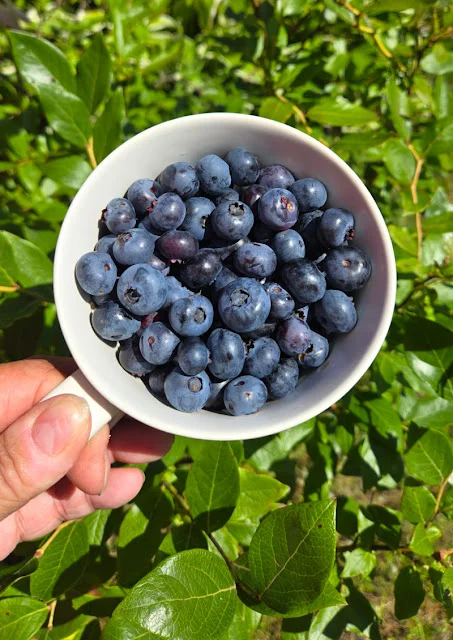
The integration of high-antioxidant fruits into the dietary regimens of backyard poultry has emerged as a focal point for viticulturists and avian health experts seeking to optimize the longevity and productivity of domestic flocks. Blueberries, often categorized as a "superfood" in human nutrition, have been identified as a highly beneficial supplementary feed for chickens (Gallus gallus domesticus) and ducks. These small, nutrient-dense fruits offer a complex profile of vitamins, minerals, and bioactive compounds that contribute to physiological resilience, improved digestive function, and the mitigation of oxidative stress. As the trend toward natural and holistic poultry management continues to expand across North America and Europe, the role of specific botanical supplements like blueberries has moved from anecdotal hobbyist practice to a recognized component of comprehensive avian husbandry.
The Nutritional Composition of Blueberries in an Avian Context
To understand the impact of blueberries on poultry health, one must analyze the specific micronutrients and phytochemicals contained within the fruit. Blueberries are notably rich in Vitamin K and Vitamin C. While chickens are capable of synthesizing their own Vitamin C (ascorbic acid) within their kidneys, supplemental intake becomes critical during periods of environmental or physiological stress, such as extreme heat or molting. Vitamin K plays an indispensable role in the synthesis of proteins required for blood coagulation and bone metabolism. In a flock environment where minor injuries or pecking can occur, efficient blood clotting is a vital defense mechanism.

Furthermore, blueberries provide a significant source of dietary fiber. In the avian digestive system, fiber assists in the regulation of the passage of digesta through the gastrointestinal tract, ensuring that the bird’s highly efficient metabolism can extract maximum nutrients from its primary feed. The inclusion of manganese and potassium further supports skeletal integrity and electrolyte balance, respectively. Manganese is particularly crucial for laying hens, as it is a required cofactor for enzymes involved in the formation of the eggshell matrix and the development of the inner shell membrane.
Antioxidants and Anthocyanins: Combatting Oxidative Stress
Perhaps the most significant attribute of the blueberry is its high concentration of antioxidants, specifically anthocyanins. These are the water-soluble vacuolar pigments that give the fruit its characteristic blue, violet, or red color. In poultry, oxidative stress is a physiological condition resulting from an imbalance between the production of free radicals and the body’s ability to detoxify their harmful effects. This stress is often exacerbated by high production demands (egg-laying) or environmental factors.
Anthocyanins serve as potent anti-inflammatory agents. Research into avian physiology suggests that these compounds can help protect the cardiovascular system by improving blood pressure regulation and reducing systemic inflammation. By neutralizing free radicals, the antioxidants in blueberries may offer a level of protection against certain cellular mutations, effectively acting as a preventative measure against various types of cancer. For the backyard poultry keeper, this translates to a flock with a more robust immune system and a higher capacity for recovery from illness.

The Prebiotic Effect and Digestive Microbiota
Recent advancements in poultry science have emphasized the importance of gut health, often referred to as the "second brain" of the bird. Blueberries contain natural prebiotics—non-digestible food ingredients that promote the growth of beneficial microorganisms in the intestines. These prebiotics serve as the primary fuel source for probiotics, the "good" bacteria such as Lactobacillus that reside in the chicken’s gut.
A balanced microbiome is essential for preventing the colonization of pathogenic bacteria like Salmonella or E. coli. When chickens consume blueberries, the prebiotic fibers and polyphenols work in tandem to create an acidic environment in the gut that is inhospitable to pathogens while supporting the absorption of nutrients. This symbiotic relationship ensures optimal digestive efficiency and contributes to the overall vigor of the bird.
Safety Protocols and Feeding Guidelines
While the benefits of blueberries are extensive, poultry experts emphasize the importance of moderation and proper delivery methods. A fundamental rule in avian nutrition is the "10 percent rule," which dictates that treats and supplements should never exceed 10 percent of a bird’s total daily caloric intake. For an average adult chicken, this equates to approximately one to two tablespoons of supplemental food per day. Over-reliance on treats can lead to nutritional deficiencies, as it may cause the bird to consume less of its balanced, fortified commercial layer feed.

Safety concerns, though minimal, include the potential for choking, particularly in smaller breeds or younger pullets. The spherical shape and firm skin of certain cultivated blueberries can occasionally pose a hazard. To mitigate this risk, many keepers choose to slice or mash the berries before distribution. Additionally, the source of the fruit is a consideration. On diverse agricultural operations, such as those found in the Northeast United States, poultry may have access to both native low-bush blueberries (Vaccinium angustifolium) and cultivated high-bush varieties (Vaccinium corymbosum). Both are safe for consumption, though native berries often contain a higher concentration of antioxidants per gram due to their smaller size and higher skin-to-pulp ratio.
Chronology of the Natural Poultry Movement
The shift toward incorporating "superfoods" into poultry diets can be traced back to the early 21st century, as the "backyard chicken" movement began to gain momentum in urban and suburban environments.
- 2000–2010: A resurgence in interest regarding food provenance leads to an increase in small-scale poultry ownership. Early adopters began moving away from strictly industrial feeding models, looking toward "old-timers" methods that utilized kitchen scraps and garden forage.
- 2011–2015: Experts like Lisa Steele, a fifth-generation chicken keeper and author, began popularizing the use of herbs and specific fruits to enhance flock health. During this period, the concept of "antioxidant-rich" diets for chickens transitioned from niche hobbyist advice to mainstream agricultural blogging and literature.
- 2016–Present: Scientific studies began to validate these practices, examining the transfer of nutrients from the hen’s diet to the egg. The "functional food" movement in human nutrition mirrored a similar movement in animal husbandry, where the goal became not just survival, but optimal wellness.
Economic and Industry Implications
The practice of feeding high-quality fruits to poultry has broader implications for the agricultural economy and the consumer market. There is a growing niche market for "pasture-raised" and "antioxidant-enriched" eggs. Consumers are increasingly willing to pay a premium for eggs produced by hens that have been fed a diverse, natural diet. This has encouraged small-scale producers to invest in better supplemental nutrition, including the planting of blueberry bushes specifically for avian forage.

Furthermore, the use of blueberries and other natural supplements reduces the reliance on prophylactic antibiotics in small flocks. By strengthening the immune system through nutrition, keepers can maintain healthy birds without the need for pharmaceutical intervention, aligning with global efforts to reduce antibiotic resistance in both animal and human populations.
Expert Analysis of Long-Term Benefits
Avian veterinarians and agricultural researchers suggest that the long-term impact of a diet supplemented with blueberries includes improved cognitive function in older birds and better visual acuity. As chickens age, they are susceptible to cognitive decline and cataracts, much like mammals. The neuroprotective properties of the compounds found in blueberries may help maintain "flock intelligence" and social cohesion by preserving the mental faculties of the lead hens.
From a physiological standpoint, the support of bone health and blood clotting is particularly relevant during the molting season. Molting is an energy-intensive process where chickens shed and regrow their feathers. This period requires a massive redirection of protein and minerals. The manganese and Vitamin K provided by blueberries assist in the structural integrity of new feather shafts and help the bird manage the physical stress of the molt.

Conclusion and Future Outlook
The consensus among poultry experts is clear: blueberries are an exceptional addition to a balanced avian diet. They provide a unique combination of vitamins, fiber, and potent antioxidants that support everything from gut health to cardiovascular protection. However, the efficacy of these treats is dependent on the discipline of the keeper to adhere to the 10 percent dietary limit, ensuring that the birds continue to receive their primary nutrition from high-quality feed.
As research continues into the field of "phytogenic feed additives"—plant-derived compounds added to the diet to improve livestock productivity—the humble blueberry stands as a prime example of how traditional gardening and modern science can intersect. For the backyard farmer, providing a handful of blueberries is more than just a treat; it is a proactive step toward ensuring a healthy, vibrant, and productive flock. The continued study of these natural interventions will likely lead to even more refined dietary protocols, further bridging the gap between industrial efficiency and holistic animal welfare.
