
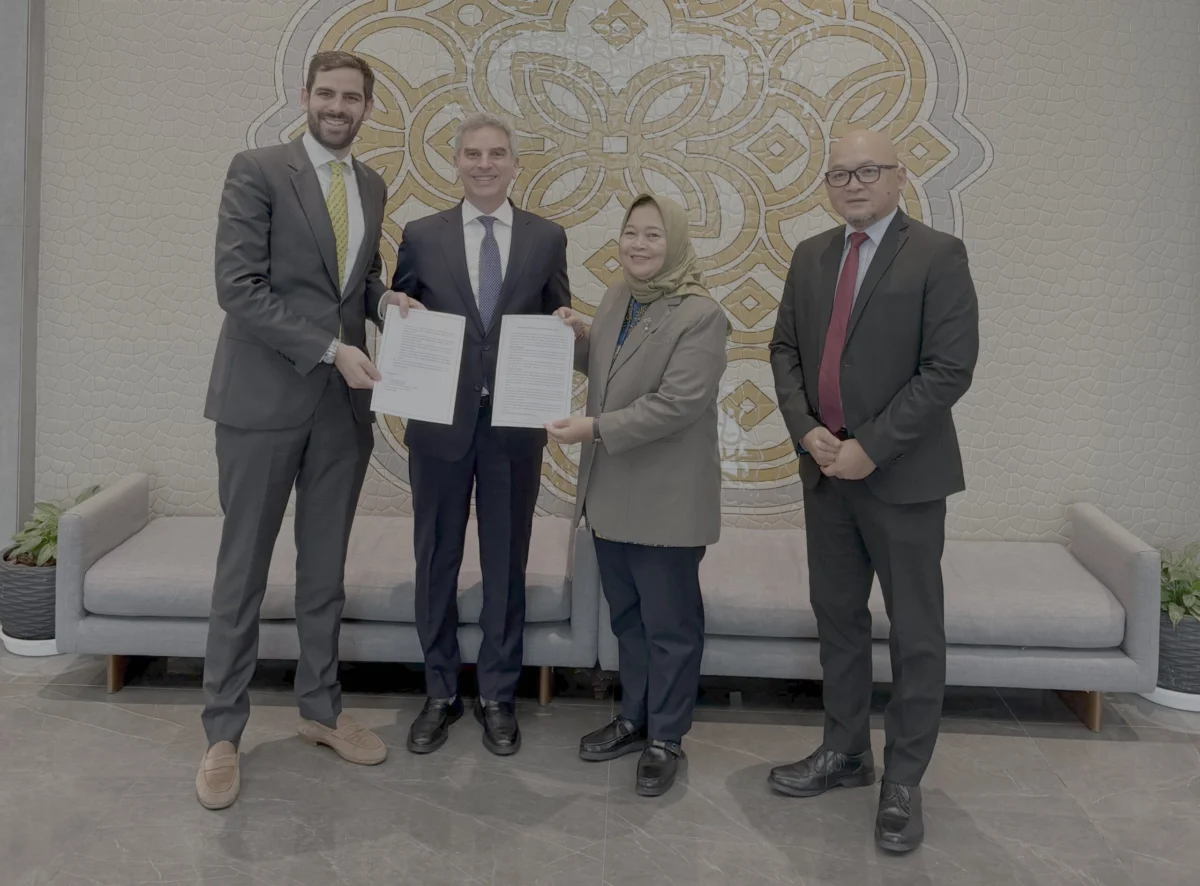
Abu Dhabi, UAE – January 15, 2026 – The Mangrove Breakthrough initiative commenced the year 2026 with a significant diplomatic and environmental achievement, securing the official endorsement of the Indonesian government during Abu Dhabi Sustainability Week. This pivotal moment underscores Indonesia’s commitment to global mangrove conservation and restoration, leveraging its position as the custodian of the world’s largest mangrove ecosystems. The endorsement, announced on January 14th, marks a crucial step towards achieving the Mangrove Breakthrough’s ambitious targets for 2030.
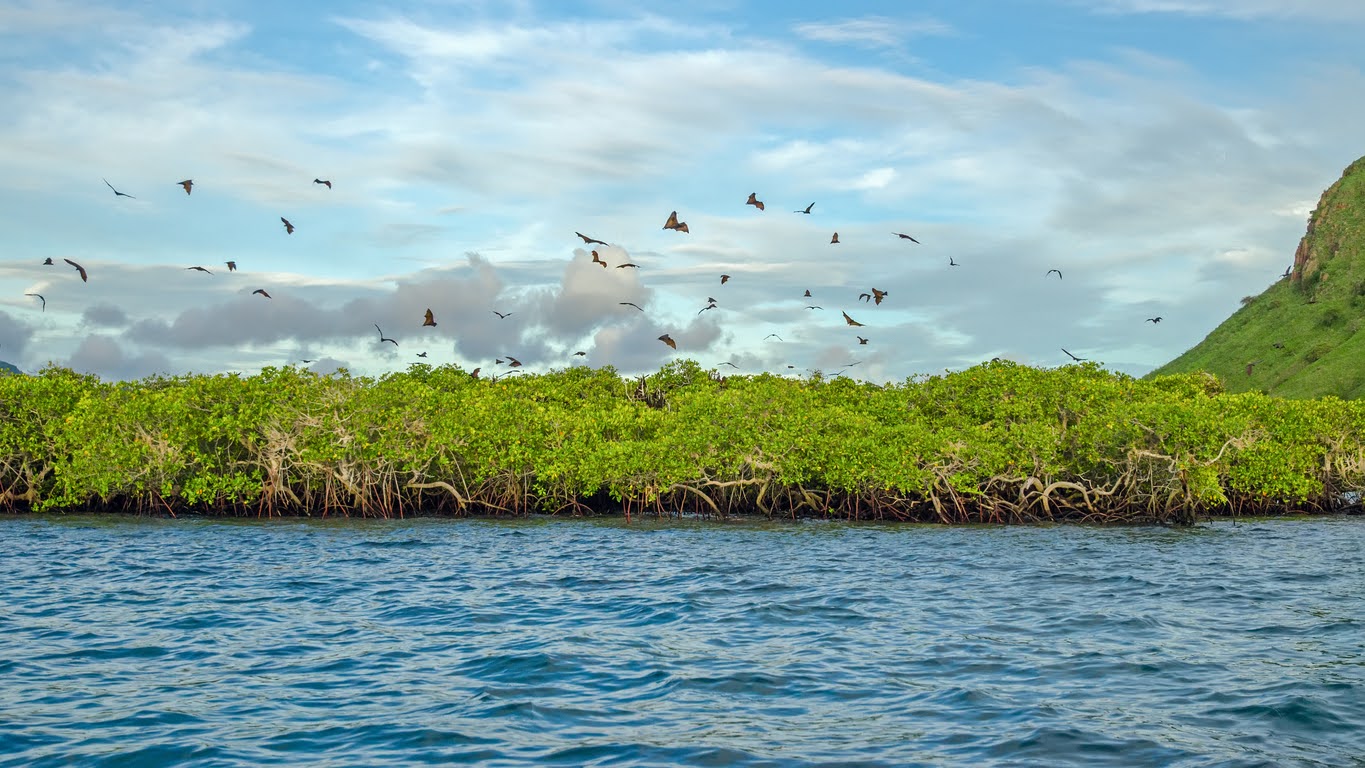
Indonesia, a nation renowned for its archipelagic geography and rich biodiversity, is home to an estimated 3.44 million hectares of mangroves, representing approximately 23% of the global total. These vital coastal ecosystems are intrinsically linked to the well-being of a substantial portion of the Indonesian population, with around 60% of its citizens residing in coastal areas. For these communities, mangroves are not merely natural landscapes but indispensable pillars of food security, providing critical fishing grounds and agricultural support. They are also crucial for sustainable livelihoods, offering resources for traditional crafts and ecotourism. Furthermore, their protective role against the increasingly potent threats of storm surges and the inexorable rise of sea levels is paramount, acting as natural seawalls that shield vulnerable coastlines.
The endorsement by Indonesia, the 48th government to formally join the Mangrove Breakthrough, was formally announced by Zulkifli Hasan, the Coordinating Minister for Food Affairs. Minister Hasan articulated Indonesia’s positive reception to the initiative’s objectives, stating, "The Indonesian government welcomes good intentions and endorses the Mangrove Breakthrough, which targets the protection and restoration of 15 million hectares of mangroves globally and the mobilization of USD 4 billion in funding by 2030. Indonesia, with 3.44 million hectares of mangroves, therefore, appreciates the support pledged by the Mangrove Breakthrough." This statement highlights the synergy between national priorities and global conservation goals, recognizing the mutual benefits of international collaboration.
The Mangrove Breakthrough, launched in 2022, has set a clear and urgent agenda: to protect and restore 15 million hectares of mangroves worldwide by the year 2030, backed by a financial commitment of USD 4 billion. The year 2026 represents a critical juncture, marking the midpoint between the initiative’s inception and its ultimate deadline. This period is crucial for translating commitments into tangible actions and accelerating the implementation phase. Indonesia’s accession is particularly significant as it brings a substantial portion of the world’s mangrove extent under the umbrella of this global effort.
Global Momentum and Indonesia’s Role
The Mangrove Breakthrough is designed to foster radical collaboration among governments, non-governmental organizations, the private sector, and local communities. Its core strategy involves advancing science-based financial and regulatory decisions, coupled with substantial investment in local leadership and community-led conservation initiatives. Indonesia’s vast mangrove coverage means that the countries endorsing the Breakthrough now collectively account for over 60% of the world’s total mangrove area. This statistic, highlighted by Jennifer Howard, Mangrove Breakthrough Council Chair and Vice President of Natural Climate Solutions at Conservation International, underscores the initiative’s growing influence and the critical role of its participating nations. "With this news, Mangrove Breakthrough-endorsing countries are now home to more than 60% of the world’s mangrove extent," Howard stated. "Working with these countries, we are building the financial architecture and generating the political will needed to meet our collective 2030 targets."
The Global Mangrove Alliance Indonesia Chapter, a key implementation partner for the Mangrove Breakthrough, welcomed the endorsement with enthusiasm. Yus Rusila Noor, representing Wetlands International Indonesia and serving as Chairperson of the Global Mangrove Alliance Indonesia Chapter, emphasized the ecological and economic significance of mangroves for Indonesia. "We are committed to supporting the Government of Indonesia in conserving and restoring Indonesia’s mangrove ecosystems," Noor remarked. "Mangroves protect our coastlines, support food security and sustain coastal livelihoods. Our efforts today secure essential ecosystem services for people, nature, and future generations."
This sentiment was echoed by Meizani Irmadhiany, Senior Vice President and Executive Chair of Konservasi Indonesia, another prominent member of the Global Mangrove Alliance Indonesia Chapter. Irmadhiany viewed the endorsement as a "meaningful step toward scaling science- and community-based mangrove protection." She further stressed the necessity of robust local implementation, direct engagement of coastal communities, and sustained partnerships to translate this commitment into tangible impact. "Konservasi Indonesia stands ready to work with the government and local partners to deliver measurable ecological gains and sustainable economic benefits," she added.
The Global Mangrove Alliance Indonesia Chapter comprises leading organizations in mangrove conservation, including Wetlands International, Konservasi Indonesia (CI), The Nature Conservancy (TNC) Indonesia, and WWF Indonesia. Their collective expertise and on-the-ground presence are instrumental in driving the practical implementation of the Mangrove Breakthrough’s objectives within Indonesia.
A Growing Network of Support
The inclusion of Indonesia marks a significant expansion of the Mangrove Breakthrough’s global network. In 2025 alone, twelve new governments joined the initiative, including the national governments of Brazil, Mexico, and Papua New Guinea. These countries, like Indonesia, possess substantial mangrove coverage and their participation signals a widening recognition of the urgency and importance of mangrove conservation across diverse geographical regions. The cumulative effect of these endorsements is a growing political consensus and a strengthened mandate for action on a global scale.
Financial Architecture and Investment Readiness
Beyond political endorsement, the Mangrove Breakthrough is actively developing the financial mechanisms required to meet its ambitious funding goals. The year 2025 witnessed the crucial announcement of the Mangrove Catalytic Facility, an integral component designed to enhance investment readiness for mangrove conservation and restoration projects. This facility aims to bridge the gap between project development and access to finance, making it easier for impactful initiatives to secure the necessary capital.
The initiative has been diligently tracking mangrove-positive investments. To date, it has identified more than 40 large-scale operations, each exceeding USD 1 million, which have collectively mobilized over USD 750 million in investments dedicated to mangrove conservation and restoration since 2020. The momentum is palpable, with partners at Capital for Climate identifying an additional USD 840 million in nature-positive investments across 56 projects that explicitly include mangrove ecosystems. These figures highlight a burgeoning interest from the financial sector in nature-based solutions, recognizing the significant economic and environmental returns associated with healthy mangrove ecosystems.
Strategic Implications and Future Outlook
Indonesia’s endorsement arrives at a critical juncture, with 2026 poised to host several key global climate and biodiversity conferences. The nation’s proactive stance and leadership in advancing nature-based solutions will undoubtedly resonate at these international forums, potentially influencing policy discussions and commitments. The Mangrove Breakthrough’s strategy is built on the principle that effective conservation requires a multi-faceted approach, integrating ecological restoration with sustainable economic development for coastal communities.
The focus on mobilizing USD 4 billion by 2030 is not merely a financial target; it represents a commitment to unlocking the full potential of mangroves as natural infrastructure. This funding is intended to support a range of activities, including scientific research, monitoring, community-based management programs, policy reform, and the development of sustainable economic alternatives that reduce pressure on mangrove ecosystems.
The timeline for the Mangrove Breakthrough can be viewed as follows:

- 2022: Launch of the Mangrove Breakthrough initiative, setting ambitious targets for 2030.
- 2022-2025: Initial phase of building partnerships, mobilizing early finance, and securing endorsements from a growing number of governments and organizations.
- 2025: Announcement of the Mangrove Catalytic Facility to enhance investment readiness and a significant increase in government endorsements, including Brazil, Mexico, and Papua New Guinea.
- January 2026: Indonesia, home to the world’s largest mangrove area, officially endorses the initiative, bringing the total endorsed mangrove extent to over 60% of the global total.
- 2026-2030: Accelerated implementation phase, focusing on deploying capital, scaling up restoration and protection efforts, and demonstrating measurable ecological and socio-economic benefits.
The strategic implication of Indonesia’s endorsement is profound. It not only bolsters the global reach and credibility of the Mangrove Breakthrough but also reinforces the critical role of developing nations in leading the charge for nature-based climate solutions. The success of this initiative hinges on sustained political will, robust financial mechanisms, and effective on-the-ground implementation, with Indonesia now positioned as a central player in this vital global effort.
About the Mangrove Breakthrough
The Mangrove Breakthrough is a pioneering global movement dedicated to valuing, financing, and safeguarding mangrove ecosystems. It operates on the principle that protecting nature is fundamental to building resilient communities. The initiative champions radical collaboration, advocates for science-based financial and regulatory decisions, and prioritizes investment in local leadership. Its overarching ambition is to mobilize USD 4 billion to protect and restore 15 million hectares of mangroves by 2030, thereby securing essential ecosystem services for both people and nature, and ensuring a healthier planet for future generations. More information can be found at www.mangrovebreakthrough.com.
