
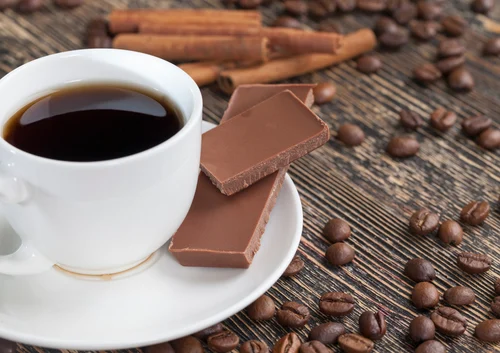
The rise of backyard poultry farming has brought a renewed focus on avian nutrition, leading veterinary experts and agricultural specialists to issue urgent warnings regarding the toxicity of common household items, specifically chocolate and caffeine-based products. While many new poultry keepers view chickens as opportunistic omnivores capable of processing kitchen scraps, scientific evidence confirms that substances containing methylxanthines—such as chocolate, coffee, and certain teas—pose a lethal threat to avian cardiovascular and neurological systems. Even in minute quantities, these compounds can trigger a range of severe physiological reactions, from tachycardia to sudden cardiac arrest, making them some of the most dangerous substances found in the domestic environment for birds.
The Chemical Profile of Avian Toxins: Methylxanthines and Theobromine
To understand why chocolate is hazardous to chickens, one must look at the specific chemical compounds involved: caffeine and theobromine. Both belong to a class of alkaloids known as methylxanthines. While humans have evolved efficient metabolic pathways to process these stimulants, chickens—and many other domestic animals, including dogs and cats—possess a significantly slower metabolic rate for these substances.
Theobromine, found in high concentrations in dark chocolate and cocoa powder, acts as a cardiac stimulant and a diuretic. In chickens, the inability to rapidly break down theobromine leads to a toxic buildup in the bloodstream. This accumulation interferes with cellular processes, specifically by inhibiting adenosine receptors and increasing the levels of cyclic adenosine monophosphate (cAMP). The result is a profound overstimulation of the central nervous system and the heart muscle.

Caffeine, though similar, is even more potent in its immediate effects on the avian heart rate. Because chickens have a naturally high resting heart rate (ranging from 250 to 400 beats per minute depending on the breed and activity level), the introduction of a powerful stimulant can push the cardiovascular system beyond its physiological limits. Veterinary data suggests that the ingestion of caffeine leads to immediate vasoconstriction and a sharp rise in blood pressure, which, in the fragile vascular system of a bird, frequently results in internal hemorrhaging or heart failure.
Physiological Impact and Symptomatology
The clinical progression of methylxanthine poisoning in poultry is often rapid. Because chickens have a high metabolic rate for energy but a low tolerance for alkaloids, symptoms can manifest within an hour of ingestion. Initial signs often include visible agitation and hyperactivity, as the caffeine begins to affect the central nervous system. This is frequently followed by digestive distress, including vomiting and diarrhea, as the bird’s body attempts to expel the toxin.
As the toxicity progresses, the symptoms become more severe. The bird may experience tremors or full-scale seizures due to neurological overstimulation. Respiratory distress is also common, characterized by open-beak breathing and panting. In the final stages of poisoning, the chicken may enter a comatose state or suffer from cardiac arrhythmia, leading to a fatal heart attack.
Experts emphasize that there is no "safe" amount of chocolate for a chicken. While a single chocolate chip might not kill a heavy-breed hen instantly, the cumulative stress on the liver and heart can cause long-term health issues or sudden death during periods of heat stress or egg-laying, when the bird’s body is already under significant physiological pressure.

A Chronology of Avian Nutritional Research
The understanding of avian sensitivity to chocolate and caffeine has evolved through decades of veterinary toxicology and agricultural science.
- Early 20th Century Observations: Initial documentation of methylxanthine toxicity in animals primarily focused on canines. However, as poultry became a staple of industrial agriculture, researchers began to note that accidental exposure to cocoa-byproducts in feed led to increased mortality rates in commercial flocks.
- 1970s-1980s Comparative Toxicology: Studies during this period established the LD50 (lethal dose for 50% of a population) for caffeine in various avian species. Researchers discovered that birds were significantly more sensitive to caffeine than most mammals of comparable size.
- The 1990s and the Theobromine Link: Specific research into theobromine confirmed that even "spent" cocoa husks, sometimes used as experimental bedding or fertilizer, could be toxic if pecked at by inquisitive birds.
- 2010-Present: The Backyard Farming Boom: With the resurgence of urban chicken keeping, organizations like Fresh Eggs Daily and various veterinary outreach programs have prioritized educating the public on "toxic treats." This era has seen a shift from industrial safety to consumer education, as more household pets are exposed to kitchen waste.
Hidden Sources of Caffeine in the Domestic Environment
While a bar of chocolate is an obvious hazard, many poultry owners are unaware of the hidden sources of caffeine that may end up in the compost pile or the chicken run.
- Coffee Grounds: Many gardeners use coffee grounds as a nitrogen-rich fertilizer or a deterrent for slugs. However, chickens are natural foragers and will often sample grounds spread in the garden. Even "spent" grounds contain residual caffeine levels high enough to be dangerous to a small bird.
- Tea Bags: Used tea bags are another common kitchen waste item. Both black and green teas contain caffeine and tannins. While tannins in small amounts are manageable, the concentrated caffeine in tea leaves can be detrimental.
- Sports and Energy Drinks: On hot days, some owners mistakenly believe that electrolyte-heavy sports drinks might help a heat-stressed hen. However, many of these drinks contain caffeine or guarana (a caffeine-rich seed extract), which can exacerbate heat stress and lead to cardiac failure.
- Baked Goods and "Junk Food": Chocolate donuts, cookies, and cakes pose a double threat. In addition to the caffeine and theobromine in the chocolate, the high sugar and fat content are poorly suited for the avian digestive tract. Excessive sugar can lead to crop stasis (sour crop) and obesity, which significantly shortens a hen’s productive life.
Expert Perspectives and Industry Responses
Lisa Steele, a fifth-generation chicken-keeping expert and founder of Fresh Eggs Daily, has long advocated for a "back-to-basics" approach to poultry nutrition. Her research and articles emphasize that while chickens are excellent at recycling many kitchen scraps, the modern human diet contains many "luxury" chemicals that are incompatible with avian biology.
"Chickens should never be fed chocolate or caffeine in any amount," Steele warns. She notes that the rise of "pet" chickens has led to owners wanting to share their favorite snacks with their birds, unaware of the physiological consequences. "Caffeine aside, the sugar and fats in junk food and baked goods aren’t good for chickens either. It’s about maintaining the integrity of their diet to ensure long-term health and egg quality."

Veterinary toxicologists support this stance, noting that unlike dogs, where an owner might notice chocolate consumption and rush the pet to an ER for induced vomiting, a chicken’s anatomy (specifically the presence of the crop) makes traditional emergency decontamination more difficult. Once the toxin moves past the crop and into the proventriculus and gizzard, absorption is rapid and often irreversible.
Broader Implications for Flock Management and Animal Welfare
The issue of chocolate toxicity is a microcosm of a larger challenge in the backyard poultry movement: the "humanization" of livestock. As chickens move from the barnyard to the suburban backyard, they are increasingly treated as family pets. While this generally leads to better living conditions and individual care, it also increases the risk of "nutritional anthropomorphism," where owners feed birds based on human tastes rather than avian requirements.
The economic implications are also noteworthy. For a small-scale egg producer, the loss of a high-performing hen to a preventable poisoning represents a loss of investment in feed, time, and future egg production. Furthermore, hens that survive minor poisoning may see a permanent decrease in egg quality or a cessation of laying altogether due to the stress on their internal organs.
To mitigate these risks, experts suggest a strict management protocol for kitchen scraps:

- Segregated Composting: Keep a separate, secured compost bin for coffee grounds, tea bags, and chocolate-containing waste that is inaccessible to the flock.
- Educational Signage: For households with children or frequent visitors, placing a "Do Not Feed" list near the chicken coop can prevent accidental poisonings.
- Healthy Alternatives: Instead of chocolate or processed snacks, owners are encouraged to provide "healthy treats" such as leafy greens, watermelon (for hydration), and mealworms (for protein). These provide the mental stimulation of a treat without the systemic risks of methylxanthines.
Conclusion: The Path Toward Safer Poultry Husbandry
The consensus among avian experts is clear: chocolate and caffeine have no place in a chicken’s diet. The chemical sensitivity of birds to methylxanthines is a biological reality that requires diligent management by flock owners. As the trend of backyard farming continues to grow, the dissemination of factual, science-based nutritional information remains the primary defense against accidental poultry mortality. By understanding the specific physiological threats posed by common household items, poultry keepers can ensure their flocks remain healthy, productive, and safe from the hidden dangers of the modern pantry.
