
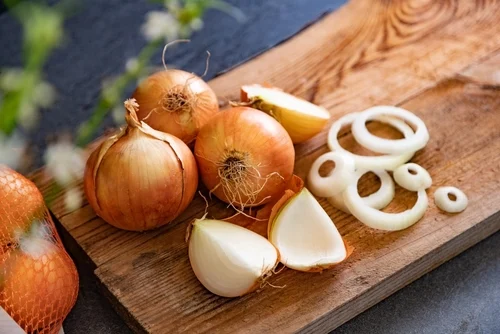
The practice of feeding kitchen scraps to backyard chickens has long been a staple of sustainable homesteading, yet modern veterinary science continues to identify specific household foods that pose significant physiological risks to avian species. Among the most critical of these concerns is the ingestion of onions and other members of the Allium family. While chickens are often celebrated for their ability to process a wide variety of organic matter, the presence of specific sulfur-based compounds in onions—most notably thiosulphate—can lead to severe clinical conditions, including hemolytic anemia and potential mortality. As the popularity of small-scale poultry keeping continues to rise globally, agricultural experts and veterinary toxicologists are emphasizing the importance of dietary education to prevent accidental poisoning within domestic flocks.
The Biochemical Profile of Thiosulphate Toxicity
The primary toxic agent found in onions (Allium cepa) is thiosulphate, a compound that the avian digestive system is ill-equipped to process safely. In many mammals and birds, thiosulphate triggers a process known as oxidative damage to the red blood cells. Specifically, the toxin causes the denaturation of hemoglobin, leading to the formation of Heinz bodies—clumps of damaged hemoglobin that attach to the surface of red blood cells.

When these damaged cells circulate through the spleen and liver, the body identifies them as defective and destroys them. In cases of onion ingestion, the rate of red blood cell destruction significantly outpaces the bone marrow’s ability to regenerate new cells. This results in a condition known as Heinz body hemolytic anemia. Unlike humans, who possess specific enzymes to mitigate low-level exposure to these compounds, chickens and certain domestic mammals, such as dogs and cats, are highly susceptible to even moderate quantities of the toxin. The chemical stability of thiosulphate also means that neither cooking, drying, nor processing the onions eliminates the risk, as the toxic components remain active regardless of the preparation method.
Clinical Manifestations and Symptomology
The onset of onion toxicity in poultry can be insidious, often presenting as a gradual decline in health rather than an immediate acute reaction, depending on the volume consumed. Veterinary records indicate that the symptoms of thiosulphate poisoning in chickens are directly related to the resulting oxygen deprivation caused by the loss of functional red blood cells.
Early clinical signs typically include lethargy and a noticeable reduction in activity levels. As the anemia progresses, the chicken’s comb and wattles—usually a vibrant red—may become pale or take on a yellowish tint, indicating jaundice. Jaundice occurs because the rapid breakdown of red blood cells releases high levels of bilirubin into the bloodstream, which the liver cannot process quickly enough.

In more advanced stages, affected birds exhibit respiratory distress, characterized by rapid, shallow breathing as the heart and lungs struggle to compensate for the blood’s reduced oxygen-carrying capacity. Digestive upset, including diarrhea, is also common. In severe cases where a large quantity of onions is consumed in a short period, the systemic failure can lead to sudden death. Because chickens are prey animals, they instinctively mask signs of illness until they are significantly compromised, making early detection of onion poisoning particularly challenging for the average keeper.
The Allium Hierarchy: Identifying High-Risk Vegetation
The risk to poultry is not limited strictly to the common bulb onion. The entire Allium genus contains varying concentrations of thiosulphate and related organic disulfides. This family includes:
- Onions (Red, White, and Yellow): These contain the highest concentrations of the toxin and are considered the most dangerous.
- Shallots: Smaller but equally potent, shallots possess a similar chemical profile to standard onions.
- Leeks and Scallions: While often perceived as "milder" in flavor, these plants still contain sufficient levels of thiosulphate to cause Heinz body formation if fed in significant amounts.
- Chives: Frequently found in herb gardens, chives are easily accessible to free-ranging chickens and can contribute to cumulative toxicity.
The cumulative nature of the toxin is a significant concern for poultry management. While a single small piece of onion may not be immediately fatal, regular exposure to small amounts of Allium species can lead to chronic anemia, which weakens the bird’s immune system and reduces its overall productivity and lifespan.

The Garlic Exception: Evaluating Benefits Versus Risks
A point of frequent debate within the poultry community is the role of garlic (Allium sativum). Although garlic belongs to the same genus as the onion, its chemical composition differs in ways that are significant for avian nutrition. Garlic contains only a fraction of the thiosulphate found in onions. Furthermore, garlic is rich in allicin, a compound known for its antimicrobial, antifungal, and immune-boosting properties.
Many poultry experts and holistic veterinarians support the use of garlic as a dietary supplement for chickens, provided it is administered in controlled doses. Research suggests that garlic can help repel internal parasites, improve respiratory health, and even enhance the flavor and nutritional profile of eggs. Garlic powder, in particular, is often preferred because the processing further reduces the negligible amounts of thiosulphate while retaining the beneficial sulfur compounds. However, the consensus remains that "moderation is key." While garlic offers therapeutic benefits that onions do not, excessive consumption of raw garlic cloves could theoretically still trigger Heinz body formation, though the threshold for toxicity is exponentially higher than that of onions.
Historical Shifts in Avian Dietary Standards
The understanding of onion toxicity reflects a broader shift in how backyard poultry are managed. In the early to mid-20th century, farm chickens were largely viewed as scavengers, expected to subsist on whatever grain was available and whatever kitchen waste was discarded. During this era, nutritional science for small flocks was rudimentary, and many birds likely suffered from subclinical ailments that went undiagnosed.

As the "backyard chicken movement" evolved in the 21st century, the status of these birds shifted from utility livestock to "productive pets." This cultural shift has driven a demand for higher standards of veterinary care and more precise nutritional data. The identification of onions as a toxin is part of this modern wave of evidence-based husbandry. Agricultural extension offices and veterinary universities have replaced anecdotal "old-timers’ advice" with clinical studies, leading to a more sophisticated understanding of avian metabolic pathways.
Diagnostic Challenges and Veterinary Interventions
Diagnosing onion poisoning in a backyard setting is notoriously difficult without professional intervention. Because the symptoms—lethargy, paleness, and weakness—mimic many other common poultry ailments such as coccidiosis, respiratory infections, or heavy mite infestations, many keepers may not realize the root cause is dietary.
When a bird is brought to a specialized avian veterinarian, diagnosis typically involves a complete blood count (CBC). The presence of Heinz bodies under a microscope is a definitive indicator of oxidative damage. Treatment for affected birds is primarily supportive. It involves removing the source of the toxin immediately, providing a high-protein recovery feed to support the production of new red blood cells, and ensuring the bird is kept in a low-stress environment to minimize oxygen demand. In commercial or high-value breeding scenarios, vitamin E and selenium supplements may be administered to act as antioxidants, helping to protect remaining red blood cells from further oxidative stress.

Economic and Production Implications for Small-Scale Producers
Beyond the immediate health of the bird, the consumption of onions has practical implications for egg production. Onions contain strong volatile oils that can "taint" the flavor of the eggs produced by the hen. This off-flavor, often described as metallic or pungent, can render eggs unpalatable for human consumption, leading to economic waste for small-scale producers who sell their surplus.
Furthermore, a flock suffering from chronic, low-level anemia due to onion ingestion will inevitably see a drop in egg production. The physiological energy required to constantly repair and replace red blood cells diverts resources away from the reproductive system. For the homesteader, this means higher feed costs for lower yields, making the avoidance of onions not just a matter of animal welfare, but one of operational efficiency.
Nutritional Alternatives and Safe Supplementation Strategies
To ensure the health and vigor of a flock, keepers are encouraged to provide treats that offer nutritional value without the risk of toxicity. Safe and beneficial alternatives to onions include:

- Leafy Greens: Kale, spinach, and Swiss chard provide essential vitamins and minerals.
- Cucurbits: Pumpkins, squash, and cucumbers are hydrating and rich in beta-carotene, which contributes to deep orange egg yolks.
- Berries: Blueberries and raspberries offer high levels of antioxidants that support the immune system.
- Herbs: While chives should be avoided, herbs like oregano, thyme, and parsley are safe and possess natural antibacterial properties.
When transitioning from a diet that may have included harmful scraps to a more controlled nutritional plan, poultry owners should focus on a high-quality commercial crumble or pellet as the base (90% of the diet), with safe vegetables and fruits making up no more than 10% of the daily intake.
Conclusion: The Role of Preventative Education in Poultry Management
The prohibition of onions in poultry diets serves as a vital case study in the importance of specialized animal nutrition. While the "scraps-to-eggs" pipeline is an efficient way to reduce household waste, it requires a discerning eye to ensure that the health of the flock is not compromised for the sake of convenience.
The clinical consensus is clear: the potential risks associated with thiosulphate ingestion—ranging from weakened immune systems to systemic organ failure—far outweigh any marginal nutritional benefit that onions might provide. By adhering to a diet that excludes the Allium family (with the exception of controlled garlic supplementation) and focusing on avian-safe produce, backyard keepers can ensure their flocks remain productive, healthy, and resilient. As the agricultural community continues to refine its understanding of avian toxicology, the dissemination of this information remains the first line of defense in the safeguarding of domestic poultry.
