
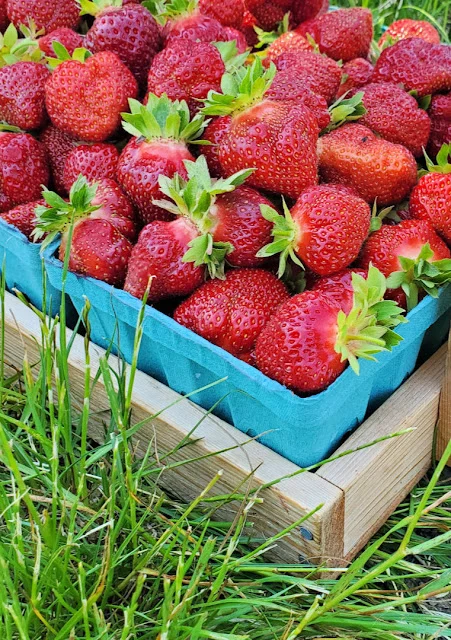
The practice of supplementing commercial poultry feed with fresh produce has transitioned from a traditional farmstead habit to a scientifically backed method of enhancing the welfare and productivity of backyard flocks. Among the various fruits available to poultry keepers, strawberries (Fragaria × ananassa) have emerged as a high-value treat, offering a complex profile of vitamins, minerals, and antioxidants that support systemic health. While chickens are omnivorous and opportunistic foragers, the strategic introduction of strawberries into their diet requires an understanding of avian nutrition, portion control, and the physiological effects of specific phytochemicals.
Nutritional Composition and Physiological Benefits
Strawberries are categorized as a nutrient-dense fruit, providing a significant concentration of essential compounds while remaining relatively low in calories. For the domestic chicken (Gallus gallus domesticus), these nutrients play vital roles in metabolic regulation and immune response.
One of the primary benefits of strawberries is their high Vitamin C (ascorbic acid) content. While chickens are capable of synthesizing their own Vitamin C in the liver and kidneys, supplemental intake becomes crucial during periods of environmental stress, such as extreme heat or molting. Ascorbic acid acts as a powerful antioxidant, neutralizing free radicals and supporting the synthesis of collagen, which is essential for skin and tissue integrity.

Furthermore, strawberries are a rich source of Vitamin K and Vitamin B6. Vitamin K is a critical component in the blood coagulation process and plays a significant role in bone mineralization, ensuring that laying hens maintain adequate skeletal strength despite the high calcium demands of eggshell production. Vitamin B6, or pyridoxine, is involved in amino acid metabolism and the development of the nervous system.
The mineral profile of strawberries—comprising calcium, folate, manganese, and potassium—directly influences the quality of life for a bird. Manganese is particularly noteworthy in poultry science, as a deficiency can lead to perosis (a leg deformity) and poor hatchability in breeding flocks. Potassium serves as a vital electrolyte, maintaining fluid balance and muscle function, which is especially important for active, free-ranging birds.
The Role of Antioxidants and Micronutrients
Beyond basic vitamins, strawberries contain a diverse array of phytonutrients, including anthocyanins, ellagic acid, and quercetin. These compounds are responsible for the fruit’s vibrant red color and provide anti-inflammatory and antimicrobial properties. In a journalistic analysis of avian health, these antioxidants are viewed as a preventative measure against chronic inflammation and oxidative stress, which can deplete a bird’s energy reserves and reduce egg production.
The dietary fiber found in strawberries aids in gut motility. For poultry, a healthy digestive tract is the first line of defense against pathogens such as Coccidia or Salmonella. Fiber helps regulate the passage of food through the gizzard and intestines, ensuring optimal nutrient absorption.

Feeding Protocols and the Ten Percent Threshold
Despite the clear nutritional advantages, strawberries must be treated as a supplement rather than a primary food source. Avian nutritionists and experts, such as Lisa Steele, a fifth-generation chicken-keeping expert, emphasize the "10% Rule." This guideline dictates that treats and supplements should never exceed 10% of a chicken’s total daily caloric intake.
For an average adult chicken, this equates to approximately one to two tablespoons of supplemental food per day. The rationale behind this restriction is rooted in the balance of commercial poultry feeds. Modern layer pellets are precision-engineered to provide the exact ratio of protein, fat, and minerals required for consistent egg laying. Diluting this diet with excessive amounts of fruit can lead to protein deficiencies, which may manifest as feather picking, lethargy, or a cessation of egg production.
Furthermore, strawberries possess a high natural sugar content (fructose). While chickens can process these sugars in moderation, an excess can disrupt the delicate microbial balance in the crop and hindgut. Overconsumption often leads to diarrhea, which not only dehydrates the bird but also creates unsanitary conditions in the coop, increasing the risk of flystrike and other hygiene-related ailments.
Botanical Anatomy: Utilizing the Entire Plant
A unique aspect of feeding strawberries to poultry is the utility of the entire plant. Unlike some garden plants where only the fruit is safe (such as the nightshade family, where leaves are toxic), the entire strawberry plant—including the fruit, the calyx (green cap), the stem, and the leaves—is safe for avian consumption.

The green tops are particularly beneficial. They contain tannins and iron. In avian medicine, tannins are recognized for their astringent properties, which can act as a mild digestive aid and help maintain a hostile environment for internal parasites. Iron is essential for the production of hemoglobin, ensuring efficient oxygen transport throughout the bird’s body. Many poultry keepers report that saving the "tops" from kitchen preparation is an effective way to provide these benefits without overindulging the birds in the sugary flesh of the fruit.
Historical Context and Evolution of Poultry Dietary Practices
The inclusion of fruits like strawberries in poultry diets marks a significant shift in the chronology of backyard farming.
- The Pre-Industrial Era (Pre-1900s): Chickens were primarily kept as scavengers. Their diets consisted of kitchen scraps, fallen orchard fruit, and insects. While this was "natural," it often led to inconsistent growth rates and seasonal egg production due to nutritional gaps.
- The Rise of Commercial Feed (1920s–1980s): As agriculture became industrialized, the focus shifted to "complete feeds." These were formulated to maximize output at the lowest cost. During this period, the feeding of "scraps" or fruit was often discouraged by commercial interests to ensure birds consumed only the balanced pellets.
- The Holistic Resurgence (1990s–Present): The modern backyard chicken movement has seen a return to supplemental feeding, but with a scientific lens. Owners now seek to improve the quality of life and the nutritional value of the eggs (such as increasing Omega-3 levels) by incorporating fresh greens and berries. Strawberries have become a staple in this holistic approach due to their accessibility and high nutrient-to-waste ratio.
Managing Risks: Chemical Residues and Environmental Safety
A critical concern for the modern poultry journalist is the prevalence of agricultural chemicals. Strawberries consistently rank high on the "Dirty Dozen" list—a report detailing fruits and vegetables with the highest pesticide residues.
Chickens have a high metabolic rate and a sensitive respiratory and digestive system, making them more susceptible to toxins than larger livestock. Pesticide ingestion can lead to reproductive issues and weakened immune systems in birds. Therefore, the recommendation for poultry keepers is threefold:

- Washing: Thoroughly rinsing store-bought berries to remove surface residues.
- Organic Sourcing: Prioritizing organic produce or visiting local farms that utilize integrated pest management rather than heavy chemical spraying.
- Home Cultivation: Growing strawberries within the backyard environment allows the owner to control the growing conditions entirely, ensuring a "farm-to-beak" safety standard.
Expert Perspectives and Industry Impact
Experts in the field, including authors like Lisa Steele, advocate for the use of strawberries not just as nutrition, but as a form of environmental enrichment. Chickens are highly intelligent animals that require mental stimulation to prevent boredom-based behaviors, such as egg eating or bullying within the pecking order. Tossing a handful of strawberries into a run encourages foraging behavior and social interaction among the flock.
From an industry perspective, the trend toward supplementing poultry diets with high-antioxidant fruits is influencing the development of "premium" poultry feeds. Some manufacturers are now incorporating dried berry pomace into their formulas, recognizing the demand for "natural" health boosters that mirror the variety found in a free-range environment.
Broader Implications and Final Analysis
The integration of strawberries into a chicken’s diet is a microcosm of the broader shift in animal husbandry toward wellness and preventative care. By providing a diverse range of nutrients through fresh produce, keepers can enhance the resilience of their birds against disease and environmental stressors.
The data suggests that while the strawberry is not a replacement for a balanced commercial ration, its role as a functional treat is significant. It supports bone health, improves blood pressure, and aids metabolism. However, the success of this dietary supplementation hinges on the discipline of the keeper. Adhering to the 10% rule and ensuring the cleanliness of the fruit are the two most critical factors in translating these nutritional benefits into tangible health outcomes for the flock.

As the backyard poultry sector continues to grow, the demand for detailed nutritional information regarding supplemental foods will likely increase. The strawberry, with its complex profile of vitamins and its complete edibility, stands as a premier example of how thoughtful supplementation can bridge the gap between traditional foraging and modern nutritional science. For the poultry keeper, the reward is twofold: a healthy, vibrant flock and the satisfaction of providing a high-quality, sustainable treat that supports the long-term productivity of the birds.
