
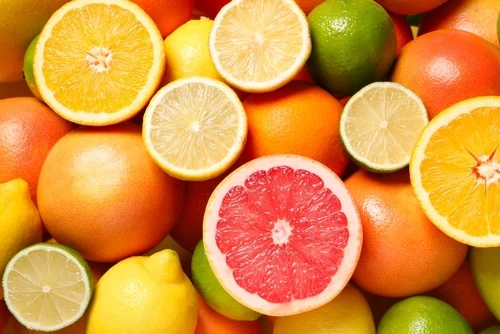
The practice of feeding kitchen scraps to backyard poultry has become a cornerstone of sustainable homesteading, yet the inclusion of citrus fruits—including oranges, lemons, limes, and grapefruits—remains a subject of significant debate among avian nutritionists and poultry husbandry experts. While chickens are opportunistic omnivores capable of processing a wide variety of organic matter, recent veterinary insights and nutritional studies suggest that the regular consumption of citrus can lead to physiological complications, particularly concerning calcium metabolism and skeletal integrity. This comprehensive analysis explores the biochemical relationship between citrus compounds and avian health, the mechanics of eggshell production, and the broader implications for small-scale egg producers.
The Biochemical Conflict: Citric Acid and Calcium Absorption
The primary concern regarding citrus consumption in poultry is not acute toxicity, but rather the long-term interference with calcium absorption. Calcium is the most critical mineral for a laying hen, as it constitutes approximately 95% of an eggshell’s composition in the form of calcium carbonate. For a hen to produce a high-quality egg every 24 to 26 hours, she must mobilize significant amounts of calcium from both her diet and her medullary bone reserves.
Scientific observation indicates that excessive citric acid intake can disrupt this delicate balance. Citric acid is a chelating agent, meaning it can bind to minerals like calcium in the digestive tract, forming calcium citrate. While calcium citrate is sometimes used as a supplement in humans, in the rapid digestive system of a bird, this binding process can reduce the bioavailability of the calcium needed for shell formation. When the bloodstream’s calcium levels drop below the threshold required for egg production, the hen’s endocrine system triggers the release of parathyroid hormone, which leaches calcium directly from her bones. Over time, this leads to a condition known as cage layer fatigue or osteoporosis, resulting in brittle bones and a higher risk of fractures.

Avian Vitamin C Synthesis: A Biological Distinction
A common misconception among backyard keepers is that citrus fruits provide a necessary boost of Vitamin C (ascorbic acid) for their flocks, mirroring the nutritional requirements of humans. However, avian physiology differs fundamentally from human biology in this regard. Most birds, including chickens, possess the ability to endogenously synthesize Vitamin C within their liver and kidneys.
Under normal environmental conditions, a healthy chicken produces sufficient Vitamin C to meet all its metabolic needs, including tissue repair and immune function. Consequently, the high ascorbic acid content in citrus fruits offers no additional nutritional benefit. While some poultry scientists suggest that supplemental Vitamin C can be beneficial during periods of extreme heat stress to help regulate body temperature and reduce oxidative stress, these supplements are typically administered in controlled, water-soluble doses rather than through acidic whole fruits. In a standard temperate environment, the exogenous Vitamin C found in oranges or lemons is redundant and potentially disruptive to the gut’s pH balance.
Impact on Egg Quality and Production Volume
The correlation between citrus consumption and egg production is documented through both anecdotal evidence from veteran keepers and clinical observations in poultry science. When calcium absorption is inhibited, the first visible symptom is often a decline in eggshell quality. This manifests as:
- Thin-Shelled Eggs: Shells that crack easily under the weight of the hen or during collection.
- Soft-Shelled or "Rubber" Eggs: Eggs laid with only a membrane and no calcified shell, often indicating an acute calcium deficiency or a malfunction in the shell gland (uterus).
- Reduced Production: In an effort to preserve its own skeletal health, a hen’s body may cease ovulation entirely if calcium reserves are critically low.
Data from agricultural extension offices suggest that flocks fed a diet high in kitchen scraps without proper mineral balancing see a 15-20% higher incidence of shell abnormalities compared to those on strictly formulated commercial feeds. The introduction of highly acidic fruits can exacerbate these statistics, leading to economic losses for small-scale producers and potential health crises for the birds.

The Evolutionary Instinct: Dietary Self-Selection in Poultry
Interestingly, chickens often demonstrate a natural aversion to citrus fruits. Behavioral studies in poultry "free-choice" feeding indicate that birds utilize their senses of smell and taste—though less developed than in mammals—to avoid foods that are overly acidic or bitter. When presented with a variety of kitchen scraps, most chickens will bypass orange rinds or grapefruit segments in favor of leafy greens, grains, or protein-rich insects.
This instinctive avoidance serves as a biological safeguard. However, in confined environments where dietary options are limited, or when citrus is finely chopped and mixed into a "flock block" or mash, chickens may inadvertently consume quantities that exceed their metabolic tolerance. Experts recommend that if citrus is included in a compost pile to which chickens have access, the pile should be managed to ensure the birds are not forced to forage through high concentrations of acidic rinds.
Chronology of Poultry Nutrition Standards
The understanding of what constitutes a "safe" treat for chickens has evolved significantly over the last century:
- Early 20th Century: Chickens were largely viewed as scavengers. Diets consisted of farm "slop," cracked corn, and whatever the birds could forage. Nutritional deficiencies were common but poorly understood.
- 1950s – 1980s: The rise of industrial poultry farming led to the development of "complete" feeds. Research focused on maximizing growth and egg output, identifying the precise ratios of calcium, phosphorus, and Vitamin D3.
- 2000s – Present: The resurgence of backyard chicken keeping reintroduced the practice of feeding kitchen scraps. This "slow food" movement for poultry has required a re-education of owners regarding the hidden dangers in common household foods, including the specific risks associated with citrus, avocados (persin toxicity), and nightshades (solanine).
Expert Recommendations and Veterinary Perspectives
Veterinary professionals specializing in avian medicine generally advise a "precautionary principle" regarding citrus. While a single segment of an orange is unlikely to cause clinical illness, the cumulative effect of citrus in a daily diet is discouraged.

"The goal of backyard poultry nutrition is to supplement, not replace, a balanced layer ration," states the consensus among poultry educators. "If an item does not provide a clear nutritional advantage and carries a risk of metabolic interference, it is best relegated to the compost bin rather than the feeder."
To maintain optimal flock health, experts suggest the following hierarchy of supplemental feeding:
- Primary (90%): High-quality commercial layer pellets or crumbles.
- Secondary (Safe Treats): Kale, spinach (in moderation), Swiss chard, blueberries, watermelon, and mealworms.
- Avoidance List: Citrus fruits, raw potato peels, chocolate, salty snacks, and dried beans.
Broader Implications for Animal Welfare and Food Security
The debate over citrus consumption reflects a larger trend in animal welfare: the professionalization of the backyard flock. As more households rely on their own hens for protein, the health of those hens becomes a matter of domestic food security. A flock suffering from calcium leaching is not only less productive but also more susceptible to secondary infections and environmental stress.
Furthermore, the environmental impact of waste management is relevant. While feeding scraps to chickens reduces landfill waste, using the wrong scraps can lead to "hidden" waste in the form of broken, unmarketable eggs. By diverting citrus to traditional composting—where the acidity can be neutralized by carbon-rich materials like straw or dried leaves—homeowners can create high-quality fertilizer for their gardens without compromising the health of their poultry.

Analysis of Long-Term Flock Sustainability
In conclusion, while the occasional consumption of citrus fruit by chickens is not a cause for immediate alarm, it offers no nutritional benefits and presents a documented risk to calcium absorption. The physiological demand placed on a laying hen is immense; her skeletal system is essentially a revolving door for minerals. Introducing substances that hamper the efficiency of this system is counterproductive to the goals of healthy, sustainable poultry management.
For the modern backyard farmer, the most prudent course of action is to provide a diet that supports the bird’s natural biological processes. By excluding citrus and focusing on calcium-rich supplements like oyster shells or recycled, crushed eggshells (provided they are baked and cleaned), keepers can ensure their flocks remain robust, their eggshells remain strong, and their birds live long, productive lives. The "fun fact" of avian biology remains a guiding light: an egg contains every nutrient required for life except Vitamin C—a clear evolutionary signal that for chickens, the extra acidity of an orange is simply not part of the plan.
