
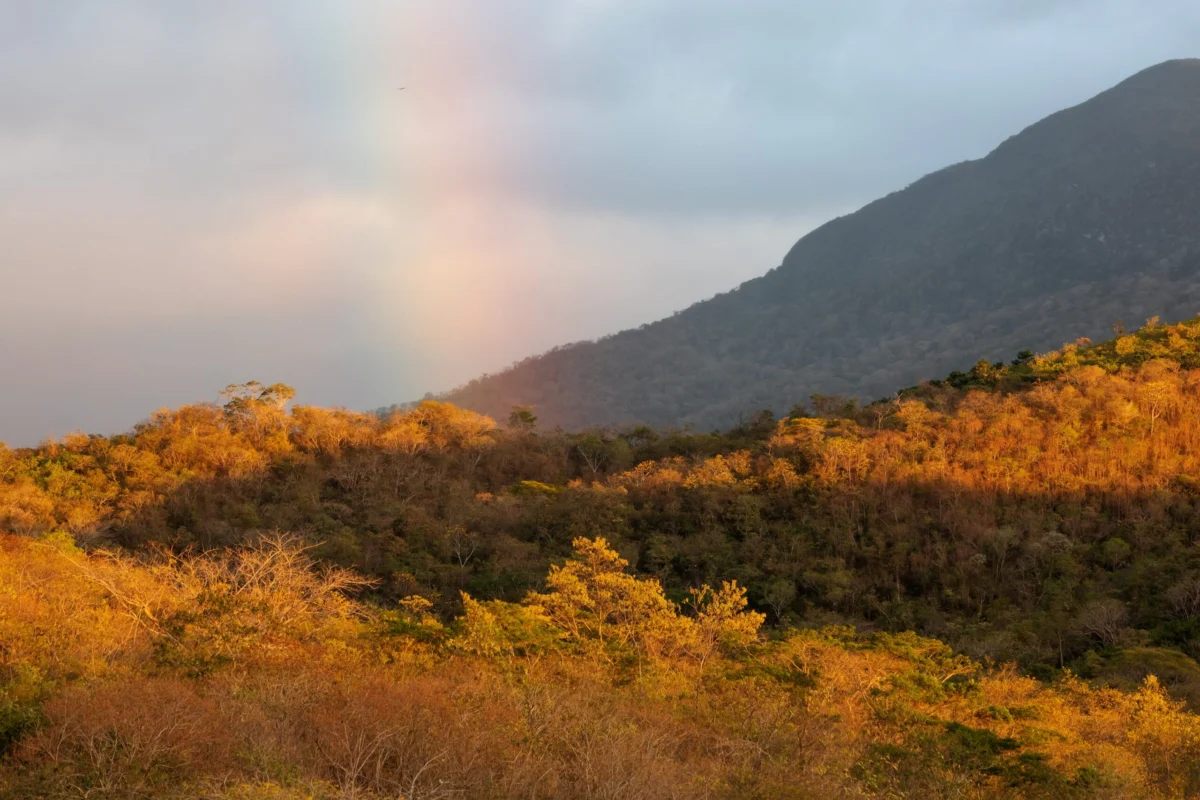
The intrinsic connection between living beings and the places they inhabit is a fundamental truth, one that shapes not only human lives but also profoundly influences the survival and journeys of migratory birds across the Americas. This principle lies at the heart of modern conservation efforts, particularly those spearheaded by initiatives like Conserva Aves, which seeks to forge a vast, interconnected network of vital habitats stretching across the hemisphere. The journey toward understanding and safeguarding these critical ecosystems is a complex undertaking, necessitating extensive collaboration, scientific rigor, and deep community engagement.
The Foundational Role of Place in Life and Conservation
The concept that "places define us" resonates deeply, whether one is reflecting on personal growth or observing the intricate patterns of the natural world. For many, a formative period spent in a specific environment can fundamentally alter their trajectory. This sentiment was recently articulated by a conservation leader reflecting on their time at Harvard, where early academic pursuits in psychology were redirected towards ecology and conservation, inspired by the teachings of figures like the eminent biologist E.O. Wilson. Wilson’s groundbreaking work on biodiversity and sociobiology illuminated the interconnectedness of all life, demonstrating that the questions asked about human behavior often find parallels in the natural world. This shift in perspective underscores a pivotal realization: the places that hold us long enough to change us, whether they are university dormitories or ancient forests, are indispensable.
For birds, this dependency on specific places is even more absolute and biologically critical. Their lives are defined by cyclical movements across vast distances, with successful reproduction and survival inextricably linked to the quality and availability of landscapes where they can rest, feed, and raise their young. These "places of return" are not merely waypoints; they are ecological anchors, essential for the perpetuation of species and the health of entire ecosystems. Recognizing this profound reliance transforms the approach to conservation, moving beyond isolated protected areas to a more holistic strategy focused on connected, resilient habitats.
The Genesis of a Hemispheric Vision: Conserva Aves
In response to the escalating threats faced by avian populations, the Audubon Society, in collaboration with a formidable alliance of partners including American Bird Conservancy, Birds Canada, BirdLife International, and RedLAC (a network of Latin American and Caribbean environmental funds), launched Conserva Aves. This ambitious hemispheric partnership is designed to secure a connected corridor of the most critical core habitats across Latin America and the Caribbean. The initiative’s primary objective is to safeguard the places that birds return to and depend on, year after year, thereby ensuring the longevity of migratory pathways and the stability of resident bird populations.
Upon its inception, Conserva Aves set an initial, ambitious goal: to help protect 100 critical sites. This target was not arbitrary; it was based on extensive ornithological research identifying key biodiversity areas and migratory bottlenecks. The progress achieved to date indicates that the initiative is not only on track to meet but also to significantly exceed this initial goal, a testament to the efficacy of its collaborative model and the dedication of its partners. This success is foundational, mirroring the way strong natural places are built: through a shared purpose, sustained commitment, and adaptive strategies.
Chronology of Conservation Efforts and Evolving Strategies
The history of bird conservation has evolved significantly over the past century. Early efforts, largely in the late 19th and early 20th centuries, focused on curbing market hunting and the plume trade, leading to the establishment of bird sanctuaries and protective legislation. Landmark events like the Migratory Bird Treaty Act of 1918 in the United States and Canada were crucial first steps. However, as scientific understanding advanced, particularly through the work of ecologists and ornithologists in the mid-to-late 20th century, it became clear that protecting individual species or isolated sites was insufficient. Habitat destruction, fragmentation, and degradation emerged as the primary drivers of avian decline.
The late 20th and early 21st centuries saw a paradigm shift towards landscape-level conservation. The concept of "flyways" – the established routes migratory birds use between breeding and wintering grounds – gained prominence. Organizations began to recognize that effective conservation required international cooperation across these flyways. Initiatives like the North American Bird Conservation Initiative (NABCI) emerged, fostering collaboration among government agencies, NGOs, and academic institutions. Conserva Aves represents the latest evolution of this thinking, building upon decades of scientific inquiry and conservation practice to create an integrated, hemispheric network of protected areas, explicitly addressing the need for connected habitats. This approach acknowledges that a chain is only as strong as its weakest link, and a bird’s journey is only as safe as its most vulnerable stopover site.
Supporting Data: The Urgency of Habitat Protection
The urgency driving Conserva Aves is underscored by alarming data on avian population declines. Reports from organizations like the Cornell Lab of Ornithology and Environment and Climate Change Canada indicate that North America has lost nearly 3 billion birds since 1970, representing a decline of almost 30% across all biomes. Migratory birds, particularly those traveling long distances, are disproportionately affected. Species reliant on specific habitats, such as grassland birds, shorebirds, and aerial insectivores, have experienced some of the steepest declines, in some cases exceeding 50% loss.
Habitat destruction is the leading cause. Agricultural expansion, urbanization, logging, and infrastructure development are converting critical forests, wetlands, and grasslands into human-dominated landscapes. Climate change further exacerbates these pressures, altering migratory patterns, shifting breeding grounds, and intensifying extreme weather events. For example, studies have shown that changes in temperature and precipitation regimes can disrupt the timing of insect emergence, a vital food source for many nesting birds, leading to "trophic mismatch" and reduced reproductive success.
A vast network of protected areas is essential. Currently, only about 15% of terrestrial and 7% of marine environments globally are protected. While these figures represent progress, many protected areas are isolated "islands" of habitat, too small or disconnected to sustain healthy populations, especially for wide-ranging species or those with complex life cycles. The "30×30" global target – to protect 30% of land and sea by 2030 – highlights the international recognition of this need. Conserva Aves directly contributes to this ambitious goal by focusing on the quality and connectivity of protected areas critical for avian biodiversity.
Voices from the Field: Partner Perspectives on Collaborative Success
The success of Conserva Aves is a direct outcome of its collaborative model, drawing on the distinct strengths of its partner organizations. Representatives from these groups consistently emphasize the power of shared purpose and local empowerment.
- Audubon Society: "Our ambition to conserve 300 million acres of connected habitat across the Americas is a monumental task that requires a collective effort. Conserva Aves is not just about protecting land; it’s about weaving together a tapestry of vital ecosystems, ensuring that the journeys of these incredible creatures can continue for generations. Our partners are instrumental in translating this vision into tangible results on the ground."
- American Bird Conservancy (ABC): "ABC has long championed bird conservation through direct action and partnerships. Conserva Aves allows us to leverage our combined expertise in site identification, habitat management, and community engagement on an unprecedented scale. By pooling resources and knowledge, we’re achieving conservation outcomes that no single organization could accomplish alone, particularly in securing key sites within critical migratory corridors."
- Birds Canada: "For birds that breed in Canada and winter further south, hemispheric collaboration is not merely beneficial, it is essential for their survival. Conserva Aves provides a vital mechanism for ensuring the integrity of the entire life cycle of these migratory species. Our role involves bringing Canadian scientific insights and conservation priorities to this broader, interconnected effort, reinforcing the concept that bird conservation truly knows no borders."
- BirdLife International: "As a global partnership, BirdLife International understands the importance of local action within a global framework. Conserva Aves exemplifies this by empowering local communities and organizations to protect their own natural heritage, which in turn contributes to a healthier planet. The success in identifying and protecting over 100 critical sites is a testament to the power of trust and shared goals across diverse cultures and geographies."
- RedLAC (Latin American and Caribbean Environmental Funds Network): "Financial sustainability and effective governance are critical for long-term conservation. RedLAC’s involvement in Conserva Aves ensures that local partners have access to the resources and institutional capacity needed to manage these protected areas effectively and sustainably. Our network helps translate global conservation goals into local action, fostering resilience and self-sufficiency within the communities safeguarding these habitats."
Local Impact and Community Empowerment: The Mazahua Territory
A cornerstone of the Conserva Aves strategy is the deep engagement with local communities. The success in places like the Mazahua territory in Mexico, highlighted by the collaborative efforts to protect forest habitat, exemplifies this approach. The Mazahua people, an indigenous group with a rich cultural heritage and a deep connection to their ancestral lands, are active participants in conservation efforts. Their traditional ecological knowledge, combined with scientific expertise, forms a powerful synergy.
In these partnerships, local communities are not just beneficiaries; they are co-creators and stewards of conservation. This involves:
- Co-designing Conservation Strategies: Local input ensures that protection plans are culturally appropriate, economically viable, and address the specific needs and challenges of the community.
- Sustainable Livelihoods: Conservation efforts often integrate sustainable economic alternatives, such as eco-tourism, shade-grown coffee, or sustainable forestry, providing communities with incentives and resources to protect their natural assets.
- Capacity Building: Training in ecological monitoring, habitat restoration, and environmental education empowers local residents to manage their resources effectively.
- Ownership and Guardianship: When communities have a direct stake and feel ownership over conservation initiatives, the long-term sustainability of protected areas dramatically increases. The Mazahua example illustrates how indigenous communities, who have long been guardians of their territories, can become powerful allies in the fight against habitat loss, securing crucial forest cover for both local biodiversity and migratory bird species.
Broader Implications: Beyond Bird Protection
The benefits of Conserva Aves extend far beyond the immediate goal of bird protection. The creation and maintenance of connected habitats yield a cascade of positive implications for broader ecosystem health, climate resilience, and human well-being:
- Biodiversity Conservation: While focused on birds, these corridors naturally protect a myriad of other species—mammals, reptiles, amphibians, insects, and plants—that share the same habitats. This holistic approach safeguards overall biodiversity.
- Ecosystem Services: Healthy forests, wetlands, and grasslands provide invaluable ecosystem services. Forests regulate climate, produce oxygen, and prevent soil erosion. Wetlands filter water, mitigate floods, and replenish groundwater. These services are vital for human societies, contributing to clean air, water security, and agricultural productivity.
- Climate Change Mitigation and Adaptation: Protected forests act as carbon sinks, absorbing atmospheric carbon dioxide and mitigating climate change. Intact ecosystems also enhance climate resilience, providing natural buffers against extreme weather events, such as reducing the impact of storms or droughts. Connected habitats allow species to adapt to shifting climate zones by providing pathways for migration to more suitable environments.
- Water Security: Many of the critical habitats protected by Conserva Aves are headwaters for major river systems, providing clean drinking water for millions of people. Protecting these areas directly contributes to regional water security.
- Cultural Preservation: For indigenous and local communities, land and nature are intrinsically linked to cultural identity, traditions, and spiritual beliefs. Conservation efforts that respect and integrate these cultural values also help preserve invaluable human heritage.
Challenges and the Future Outlook
Despite the remarkable progress, the path ahead for Conserva Aves and broader conservation efforts is not without significant challenges. Political instability, land tenure issues, inadequate enforcement of environmental laws, and continued pressure from economic development pose ongoing threats. Funding remains a perpetual challenge, as does the need to scale up successful models to meet the accelerating pace of environmental degradation.
However, the achievements of Conserva Aves provide a powerful blueprint for future action. The initiative’s ability to exceed its initial goals, and its preparation to "aim higher," reflects a growing confidence in its model. This forward momentum is built on the same principles that sustain healthy ecosystems: adaptability, diversity, and interconnectedness. The long-term commitment of partners and the empowerment of local communities are crucial for ensuring the endurance of these vital places.
Conclusion
Just as key places shape individual human lives, the integrity of specific, interconnected habitats determines the fate of countless bird species and the health of the entire hemispheric ecosystem. The work of Conserva Aves stands as a powerful testament to what can be achieved when scientific understanding, collaborative partnerships, and local stewardship converge on a shared purpose. By safeguarding these critical places—the breeding grounds, migratory stopovers, and wintering sites—we are not merely protecting birds; we are preserving the intricate web of life that sustains us all, ensuring that the epic journeys and the countless generations they support will endure. The opportunity to contribute to this monumental effort, whether through direct involvement or by supporting organizations like Audubon, is an investment in the future of our planet.
