
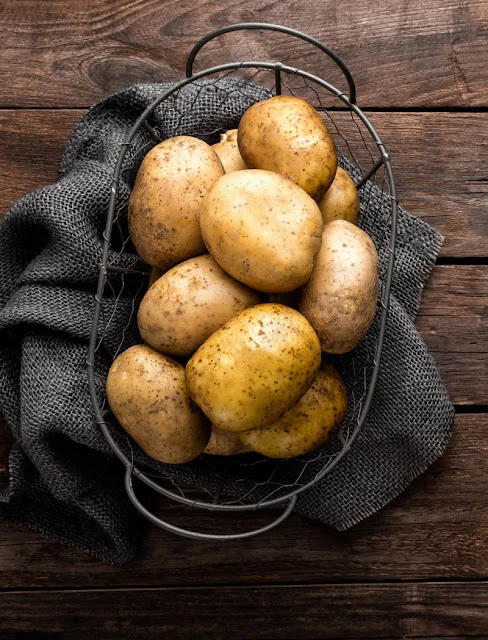
The rising global interest in backyard homesteading and sustainable poultry management has brought renewed scrutiny to the dietary habits of Gallus gallus domesticus, specifically regarding the safety of common household kitchen scraps. While chickens are biologically classified as omnivores with a robust capacity for digesting various organic materials, the introduction of tuberous vegetables—specifically potatoes—presents a complex nutritional landscape. Agricultural experts and avian veterinarians emphasize that the safety of these tubers is dictated by their botanical classification rather than their culinary use. As poultry owners seek to supplement commercial feed with cost-effective kitchen waste, understanding the biochemical distinctions between white potatoes, sweet potatoes, and yams has become a critical component of flock management.

Taxonomic Distinctions and Nutritional Profiles
The primary source of confusion for many poultry keepers lies in the nomenclature of "potatoes," a term that encompasses three distinct plant families with vastly different chemical compositions. The white potato (Solanum tuberosum) belongs to the Solanaceae, or nightshade family. This family also includes tomatoes, peppers, and eggplants, all of which produce specific alkaloids as a defense mechanism against herbivores.
In contrast, the sweet potato (Ipomoea batatas) is a member of the Convolvulaceae, or morning glory family. Despite the similarity in name and texture, sweet potatoes are biologically unrelated to the nightshade family and do not produce the same toxic alkaloids. The third category, the true yam (Dioscorea), belongs to the Dioscoreaceae family. True yams are more closely related to lilies and grasses than to either white or sweet potatoes. Because each of these plants possesses a unique chemical profile, their impact on a chicken’s digestive system and long-term health varies from "highly beneficial" to "potentially lethal."

The Solanine Threat: Risks Associated with White Potatoes
The most significant concern in poultry nutrition regarding tubers is the presence of solanine, a glycoalkaloid poison found in all parts of the white potato plant. Solanine acts as a natural pesticide, protecting the plant from insects and fungi. In chickens, which have a relatively small body mass and a sensitive nervous system, the ingestion of solanine can lead to severe physiological distress.
According to veterinary toxicology reports, solanine is concentrated most heavily in the green portions of the potato, specifically the skin exposed to sunlight, the "eyes" or sprouts, and the vines and leaves of the plant. However, even the white flesh of a fully ripened potato contains trace amounts of the toxin. When ingested by poultry, solanine interferes with the body’s ability to produce cholinesterase, an enzyme essential for the proper functioning of the nervous system.

Symptoms of Solanine Poisoning in Poultry
The clinical manifestations of solanine toxicity in a flock can be subtle or acute, depending on the quantity consumed. Common symptoms include:
- Gastrointestinal Distress: Severe diarrhea, often leading to rapid dehydration.
- Neurological Impairment: Loss of coordination, lethargy, and in extreme cases, paralysis of the legs or wings.
- Respiratory Issues: Labored breathing as the toxin affects the muscles involved in respiration.
- Decreased Productivity: A sharp decline in egg production and a general failure to thrive.
A critical finding in avian nutrition is that standard cooking methods, such as boiling, are largely ineffective at neutralizing solanine. Because solanine is heat-stable up to very high temperatures, boiling a potato only leaches a small fraction of the toxin into the water; the remaining tuber remains hazardous. While baking at temperatures exceeding 400 degrees Fahrenheit can reduce solanine levels, the risk of cumulative toxicity remains high enough that most poultry experts recommend a total exclusion of white potatoes from a chicken’s diet.

Sweet Potatoes: The Nutritional Gold Standard for Flocks
Shifting the focus to the morning glory family reveals a starkly different nutritional outlook. Sweet potatoes are widely regarded by avian nutritionists as a "superfood" for poultry. Unlike their nightshade counterparts, every part of the sweet potato plant—including the roots, skins, stems, and leaves—is non-toxic and highly digestible for chickens.
Bioavailable Nutrients in Sweet Potatoes
Integrating sweet potatoes into a poultry diet provides a dense array of vitamins and minerals that support both immune function and egg quality. Key components include:

- Beta-Carotene (Vitamin A): Essential for respiratory health and the development of vibrant, orange egg yolks.
- Vitamin C and E: Powerful antioxidants that help chickens manage heat stress and environmental toxins.
- Potassium and Manganese: Critical minerals for bone density and the structural integrity of eggshells.
- Dietary Fiber: Promotes a healthy gut microbiome, which is the first line of defense against pathogens like Coccidia or Salmonella.
Furthermore, sweet potatoes offer a lower glycemic index and fewer carbohydrates than white potatoes, making them a more stable energy source that reduces the risk of obesity in sedentary backyard hens.
True Yams and the Requirement for Thermal Processing
While less common in Western grocery stores than sweet potatoes, true yams are frequently used as poultry supplemental feed in tropical and subtropical regions. While yams are safe for chickens, they carry a specific caveat: they must be cooked.

Raw yams contain various anti-nutritional factors, including tannins and a toxic plant protein known as dioscorin. Additionally, yams contain significant levels of oxalic acid. In the avian digestive tract, oxalic acid can bind with calcium, preventing the bird from absorbing this vital mineral. For laying hens, a calcium deficiency caused by high oxalic acid intake can lead to "rubber eggs" (eggs without shells) or osteoporosis, as the bird’s body leaches calcium from its own bones to create eggshells.
Fortunately, the process of peeling and boiling or roasting yams neutralizes these anti-nutritional factors. Once cooked, yams serve as an excellent source of Vitamin B5 and manganese, contributing to heart health and metabolic efficiency in the flock.

Chronology of Dietary Implementation
For a poultry keeper transitioning from a strictly commercial pellet diet to a more varied, scrap-inclusive regimen, a structured approach is recommended to prevent digestive upset (sour crop or impaction).
- Identification Phase: Owners must verify the type of potato scraps available. Any scraps containing green skins or sprouts from white potatoes must be discarded in a secure compost bin inaccessible to the birds.
- Preparation Phase: Sweet potatoes can be served raw (grated or chopped) or cooked. Yams must be peeled and boiled until soft.
- Introduction Phase: New treats should be introduced in small quantities to monitor the flock’s reaction.
- Observation Phase: Owners should monitor the consistency of droppings and the color of egg yolks over a 48-hour period following the introduction of sweet potatoes.
Broader Implications for Sustainable Egg Production
The choice of supplemental feed has implications that extend beyond individual bird health. In the context of the global egg market and the movement toward "pasture-raised" and "organic" labeling, the inclusion of high-nutrient tubers like sweet potatoes can enhance the marketability of farm-gate products. The higher beta-carotene content in sweet potato-fed hens results in yolks that are visually more appealing to consumers and nutritionally superior in terms of Vitamin A content.

Conversely, the accidental introduction of toxins from white potatoes can lead to significant economic losses for small-scale producers. A single instance of solanine poisoning can result in a week-long cessation of laying across a flock, disrupting supply chains and increasing veterinary costs.
Expert Analysis: The "10 Percent Rule"
Regardless of the nutritional benefits of sweet potatoes or cooked yams, agricultural scientists maintain that treats should never exceed 10% of a chicken’s total daily caloric intake. For an average hen, this equates to approximately one tablespoon of supplemental food per day.

The rationale behind this limitation is the precision of modern commercial feeds. High-quality poultry pellets are formulated with a specific balance of protein (usually 16-18% for layers), amino acids (like methionine), and calcium. Over-supplementing with potatoes—even the safe varieties—can dilute these essential nutrients, leading to protein deficiencies or "Fatty Liver Hemorrhagic Syndrome," a common cause of death in backyard chickens fed excessive high-carb kitchen scraps.
Conclusion
The question of whether chickens can eat potatoes does not yield a binary answer but rather a nuanced directive based on botanical science. While the white potato poses a persistent threat of solanine toxicity that is difficult to mitigate through cooking, the sweet potato stands as a safe, nutrient-dense alternative that supports the overall vitality of the flock. True yams occupy a middle ground, requiring specific preparation to unlock their benefits. By adhering to a rigorous standard of identification and preparation, and by respecting the 10% supplemental limit, poultry keepers can safely utilize these tubers to foster a healthy, productive, and sustainable backyard environment. In the evolving landscape of avian husbandry, the informed selection of "table scraps" remains one of the most effective tools for the modern homesteader.
