
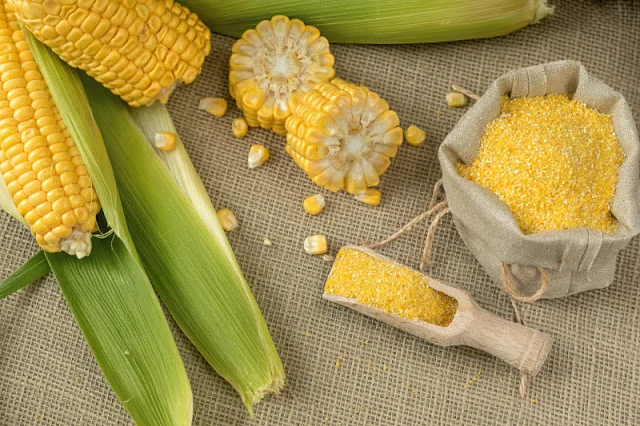
The debate surrounding the inclusion of corn in the diets of backyard chickens has evolved into a significant point of discussion among poultry enthusiasts and agricultural experts alike, centering on the physiological effects of grain digestion and seasonal temperature regulation. For decades, corn has been a staple of avian nutrition, yet modern husbandry practices have introduced a nuanced understanding of how different forms of corn—ranging from dried cracked kernels to fresh cobs—impact the health, productivity, and thermal comfort of various poultry breeds. While often dismissed as a mere "filler" or "fattener," corn remains a complex carbohydrate source that, when managed with scientific precision, serves as a vital tool for the year-round maintenance of domestic flocks.
The Nutritional Profile and Physiological Impact of Corn
Corn is a calorie-dense cereal grain that provides a primary source of metabolic energy for poultry. From a nutritional standpoint, yellow corn is particularly valued for its concentration of carotenoids, specifically lutein and zeaxanthin. These antioxidants not only support the ocular health of the birds but are also responsible for the deep orange-yellow pigmentation of egg yolks, a trait often associated with high-quality, pasture-raised eggs.

Beyond pigments, corn contains a spectrum of essential vitamins and minerals. It provides Vitamin B6, which is crucial for protein metabolism and immune function; Vitamin C, an antioxidant that assists in stress management; and folate, which supports DNA synthesis. The mineral profile of corn includes magnesium, niacin, phosphorus, and potassium—elements necessary for skeletal strength and cellular function. Furthermore, corn is a source of dietary fiber and protein, although its protein content (typically 8% to 9%) is insufficient to serve as a primary source for high-production laying hens, which generally require 16% to 18% protein in their daily ration.
The controversy regarding corn often stems from its "heat-producing" reputation. This is not a myth, but rather a result of the "heat of digestion" or the thermic effect of food. When chickens consume complex carbohydrates and hard grains like dried corn, their digestive systems—specifically the gizzard and the crop—must work harder to break down the material. This metabolic activity generates internal body heat. While this is a biological advantage during the winter months, it has led to the widespread caution against feeding dried corn during peak summer temperatures.
Seasonal Management: Winter Warmth vs. Summer Stress
The chronological application of corn in a poultry diet follows a distinct seasonal pattern. In the winter, corn is an indispensable resource. Agricultural extension services often recommend "scratch grains"—a mixture frequently dominated by cracked corn—as a late-afternoon supplement. Because chickens digest these grains overnight, the metabolic heat generated during the breakdown of the starch helps the birds maintain their core body temperature of approximately 105°F to 107°F (40.5°C to 41.6°C) during freezing nights. In this context, corn acts as an internal heater, reducing the caloric energy the bird must expend simply to stay alive and preventing a total cessation of egg production due to cold stress.

Conversely, the transition into summer requires a shift in how corn is administered. During heatwaves, the goal of the poultry keeper shifts from heat generation to heat dissipation. Feeding heavy, dried grains in the heat of the day can exacerbate thermal stress, potentially leading to respiratory alkalosis or heatstroke. However, experts distinguish between dried corn and fresh corn. Fresh corn, often served on the cob or as frozen kernels, has a significantly higher moisture content. This form of corn provides hydration and enrichment without the intense metabolic labor required by dried grains.
The Role of Byproducts: Husks, Silks, and Cobs
A comprehensive analysis of corn as a poultry treat must include the often-discarded components of the plant: the husks and silks. Journalistic investigations into sustainable farming practices have highlighted the nutritional value of these byproducts. Corn silk, in particular, is a powerhouse of Vitamin K, which is essential for blood coagulation and bone health. It also contains anti-inflammatory properties and antioxidants that can help manage blood pressure and cholesterol levels in avian subjects.
Ducks and geese, which have different foraging habits than chickens, are especially fond of corn silks. The fibrous nature of the husks also provides environmental enrichment, encouraging natural pecking behaviors that reduce flock aggression. Once the kernels are removed, the cobs themselves serve as a durable pecking toy, providing trace minerals and fiber while keeping the birds occupied. This holistic use of the plant aligns with "zero-waste" agricultural philosophies currently gaining traction in the backyard farming community.

Supporting Data: Carbohydrate Loading and Avian Obesity
While corn is a valuable energy source, data from avian veterinarians suggest that over-reliance on corn can lead to significant health complications. Corn is high in sugar and starch, which can quickly lead to obesity in less active birds or certain "heavy" breeds, such as Orpingtons or Pekin ducks.
Avian obesity is a precursor to Fatty Liver Hemorrhagic Syndrome (FLHS), a condition where the liver becomes soft and prone to rupture due to excessive fat deposits. FLHS is a leading cause of sudden death in backyard laying hens. Therefore, the consensus among nutritionists is that corn and scratch grains should constitute no more than 10% of a chicken’s total daily caloric intake. The remaining 90% must come from a balanced, commercially prepared poultry feed that ensures the correct ratio of amino acids, calcium, and vitamins.
Expert Perspectives and Industry Reactions
The poultry industry and agricultural educators have reacted to the "corn controversy" by emphasizing education over prohibition. Dr. Anne Fanatico, a specialist in sustainable poultry production, has noted in various extension publications that while corn is a superior energy source, its use must be "strategic."

"The issue isn’t the corn itself, but the timing and the form," a representative from a leading agricultural research center noted in a recent symposium. "We see a trend where keepers are moving away from processed treats toward whole-food supplements like garden-fresh corn. This is a positive shift because it incorporates moisture and fiber back into the diet, which is critical during the high-stress summer months."
Furthermore, behavioral scientists point out the "boredom-busting" aspect of corn. A hanging corn on the cob provides hours of activity for a confined flock, which can prevent feather picking and other stress-induced behaviors. This psychological benefit is often weighed against the caloric density when experts formulate recommendations for backyard keepers.
Broader Impact and Implications for the Poultry Sector
The management of corn in small-scale poultry flocks has broader implications for the agricultural economy and food security. As corn remains one of the most subsidized and widely grown crops in North America, its availability makes it the most cost-effective supplement for small farmers. However, the rising cost of organic and non-GMO corn has pushed some keepers to look for alternatives, such as barley or sunflower seeds.

The shift toward understanding the specific biological effects of corn—such as its thermogenic properties—reflects a maturing backyard poultry movement. Keepers are moving away from "old wives’ tales" and toward data-driven husbandry. This transition ensures better animal welfare standards, as birds are less likely to suffer from seasonal mismanagement.
Moreover, the use of corn as a seasonal tool highlights the importance of adaptability in farming. By utilizing dried corn for winter thermogenesis and fresh corn for summer enrichment, poultry keepers can optimize the health of their flocks in a way that is both economically sustainable and biologically appropriate.
In summary, corn is neither a "superfood" nor a "toxin" for chickens; it is a versatile tool that requires a nuanced understanding of avian physiology. The modern journalistic consensus, backed by agricultural data, suggests that corn in all its forms—dried, fresh, and even the silks—can be a delicious and nutritious year-round treat, provided that the poultry keeper remains vigilant about caloric balance and environmental temperatures. As the backyard chicken movement continues to grow, the ability to distinguish between different forms of corn and their respective metabolic impacts will remain a hallmark of responsible and successful poultry management.
