
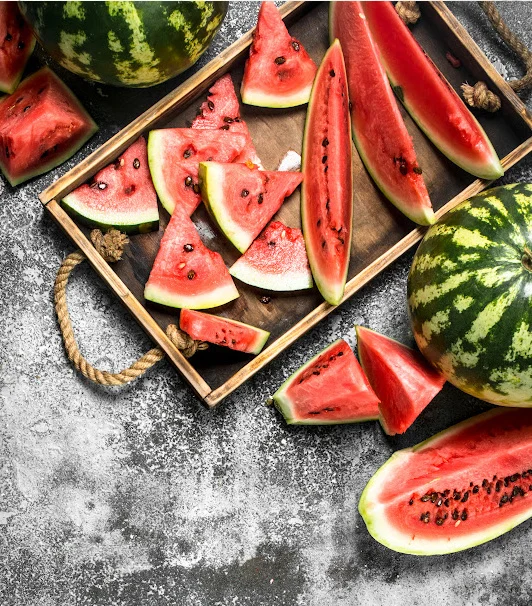
The integration of specific fruits and vegetables into poultry diets has moved beyond casual hobbyist practice to become a recognized component of holistic flock management, particularly during periods of extreme thermal stress. As global temperatures continue to fluctuate, poultry keepers are increasingly turning to watermelon (Citrullus lanatus) as a strategic dietary supplement. This fruit, traditionally viewed as a simple summer treat, serves a dual purpose: it acts as a critical hydration tool and a dense source of phytonutrients that support the physiological resilience of chickens. Agricultural experts and seasoned poultry practitioners, including Lisa Steele of Fresh Eggs Daily, have identified watermelon as a premier choice for maintaining flock health during the peak of the summer season, noting its high bioavailability of vitamins and minerals.
The Physiological Necessity of Hydration in Poultry
To understand the value of watermelon, one must first consider the unique thermoregulatory mechanisms of the Gallus gallus domesticus. Unlike mammals, chickens do not possess sweat glands. Instead, they rely on respiratory evaporation, commonly known as panting, to dissipate internal heat. During this process, chickens lose significant amounts of moisture and electrolytes. If the ambient temperature exceeds 85 degrees Fahrenheit (29 degrees Celsius), the risk of heat exhaustion and subsequent mortality increases exponentially.
Watermelon is composed of approximately 92% water, making it an ideal vehicle for moisture delivery. While fresh, cool water must always be available in traditional fonts, the consumption of water-dense fruits ensures that even birds that may be lethargic or reluctant to move to a waterer receive necessary fluids. The act of pecking at the moist flesh of a watermelon provides a form of enrichment that encourages consumption, thereby mitigating the risk of dehydration-induced organ failure or a drop in egg production.
.jpg)
Nutritional Profile and Micronutrient Analysis
Beyond its hydration properties, watermelon provides a complex array of vitamins and antioxidants that are essential for the metabolic functions of poultry. Journalistic analysis of agricultural data reveals that the fruit is a significant source of Vitamins A, B6, and C. Vitamin A is crucial for the maintenance of mucosal membranes and the respiratory tract, providing a first line of defense against pathogens. Vitamin B6 plays a pivotal role in protein metabolism and the development of the nervous system, while Vitamin C serves as a powerful stress-reducer, particularly during the physiological strain of heatwaves.
Furthermore, watermelon is rich in potassium and magnesium. These minerals are vital electrolytes that regulate heart function and muscle contractions. In high-heat scenarios, chickens often experience electrolyte imbalances; the natural sugars and minerals in watermelon help to stabilize these levels more effectively than plain water alone.
Antioxidants and the Role of Lycopene
A defining characteristic of watermelon is its high concentration of lycopene, a carotenoid phytonutrient. Research indicates that watermelon contains higher levels of lycopene than even raw tomatoes. In the context of avian health, lycopene acts as a robust antioxidant, neutralizing free radicals that can cause cellular damage. This protection is particularly relevant for older hens or birds recovering from illness, as it supports cardiovascular health and may play a role in preventing certain types of cancer within the flock.
The presence of carotenoids in watermelon also has a direct and measurable impact on the commercial and aesthetic value of poultry products. Carotenoids are the primary pigments responsible for the coloration of egg yolks. When chickens consume lycopene and other carotenoid-rich foods, these pigments are deposited into the yolk, resulting in a deep, vibrant orange color. While yolk color is not a direct indicator of protein content, it is frequently associated with higher levels of fat-soluble vitamins and is highly preferred by consumers and culinary professionals alike.
.jpg)
Cucurbitacin and Natural Parasite Management
One of the more specialized benefits of watermelon consumption in poultry is the presence of cucurbitacin. This biochemical compound is found in various members of the Cucurbitaceae family, including cucumbers, pumpkins, and watermelons. Agricultural history suggests that cucurbitacin may act as a natural anthelmintic, or "wormer."
While modern veterinary medicine should be the primary recourse for severe parasitic infestations, many organic and natural poultry keepers use watermelon and its seeds as a preventative measure. The seeds contain high concentrations of these compounds, which are thought to create an environment in the digestive tract that is inhospitable to internal parasites such as roundworms. This traditional method of flock maintenance aligns with the broader movement toward reducing the use of synthetic chemicals in backyard food production.
Chronology of Seasonal Poultry Management
The adoption of watermelon as a staple summer supplement typically follows a specific seasonal timeline in temperate climates:
- Late Spring (Preparation): Poultry keepers begin monitoring ambient coop temperatures. This is the period when "cooling treats" are first introduced to acclimate the birds to new dietary additions.
- Early Summer (Introduction): As temperatures consistently hit the 80s, watermelon is introduced once or twice a week. At this stage, keepers monitor the flock’s digestive response, as the high water content can lead to looser droppings if over-administered.
- Mid-Summer (Peak Utilization): During heatwaves or "dog days," watermelon may be served daily or every other day. This is the period where "slushies" or frozen rind segments are most effective at lowering the birds’ core body temperatures.
- Late Summer (Nutrient Loading): As the flock approaches the molting season in autumn, the vitamins and antioxidants provided by watermelon help build the nutrient reserves necessary for feather regrowth.
Structural Implementation: Methods of Serving
Expert recommendations emphasize that chickens are not "picky eaters," but the method of serving can influence the efficiency of nutrient uptake and the cleanliness of the coop.

- The Halved Melon: Slicing a watermelon in half and placing it on the ground or in a dedicated feeder allows the birds to peck at the flesh, seeds, and eventually the rind. The rind is entirely edible for chickens and provides necessary fiber.
- Frozen Segments: Freezing slices of watermelon is a tactical approach to combat extreme heat. The frozen fruit acts as an internal cooling mechanism, providing immediate relief from heat stress.
- Watermelon Slushies: For keepers looking to maximize hydration, blending watermelon flesh with ice and water creates a "slushie." This can be served in shallow pans, allowing multiple birds to drink and eat simultaneously.
- Rind Utilization: Even after the red flesh has been consumed by humans, the rinds should be reserved for the flock. The green skin and white pith contain significant amounts of citrulline, an amino acid that supports blood flow.
Safety Protocols and Potential Risks
While watermelon is overwhelmingly beneficial, journalistic objectivity requires the highlighting of potential risks. The primary concern is the sugar content. While natural, the fructose in watermelon can lead to obesity or digestive upset if it replaces a balanced layer feed. It is generally recommended that treats, including fruit, make up no more than 10% of a chicken’s total caloric intake.
Additionally, keepers must ensure that the watermelon is fresh. In the heat of summer, fruit left in the coop can ferment or develop mold rapidly. Mycotoxins produced by mold can be fatal to poultry. Therefore, any unconsumed watermelon should be removed from the coop within a few hours of serving. Furthermore, if using store-bought melons, the rinds should be thoroughly washed to remove any pesticide residues that could be harmful to the birds.
Broader Implications for the Backyard Poultry Industry
The trend of feeding watermelon to chickens reflects a larger shift in the backyard poultry industry toward "functional feeding." This approach treats food not just as fuel, but as a means of health intervention. As more individuals move toward self-sufficiency and small-scale egg production, the demand for natural, cost-effective ways to manage animal welfare has surged.
The use of watermelon also contributes to a circular economy within the household. By feeding scraps and rinds to chickens, keepers reduce organic waste while simultaneously improving the nutritional profile of the eggs they harvest. This synergy is a cornerstone of modern sustainable agriculture.

Conclusion and Expert Consensus
In summary, watermelon is far more than a treat; it is a versatile tool in the arsenal of the modern poultry keeper. Through its high water content, it addresses the immediate threat of heat stress. Through its rich profile of vitamins A, B, and C, it supports long-term metabolic health. Through lycopene and carotenoids, it enhances the quality of egg production. Finally, through compounds like cucurbitacin, it offers a traditional path toward parasitic management.
As climate patterns continue to present challenges to livestock management, the integration of such nutrient-dense, hydrating foods will remain a vital practice. Experts like Lisa Steele have demonstrated that by understanding the nutritional science behind common garden produce, poultry keepers can ensure their flocks remain healthy, hydrated, and productive throughout the most demanding months of the year. The consensus among agricultural professionals is clear: for a resilient summer flock, the watermelon is an indispensable resource.
