
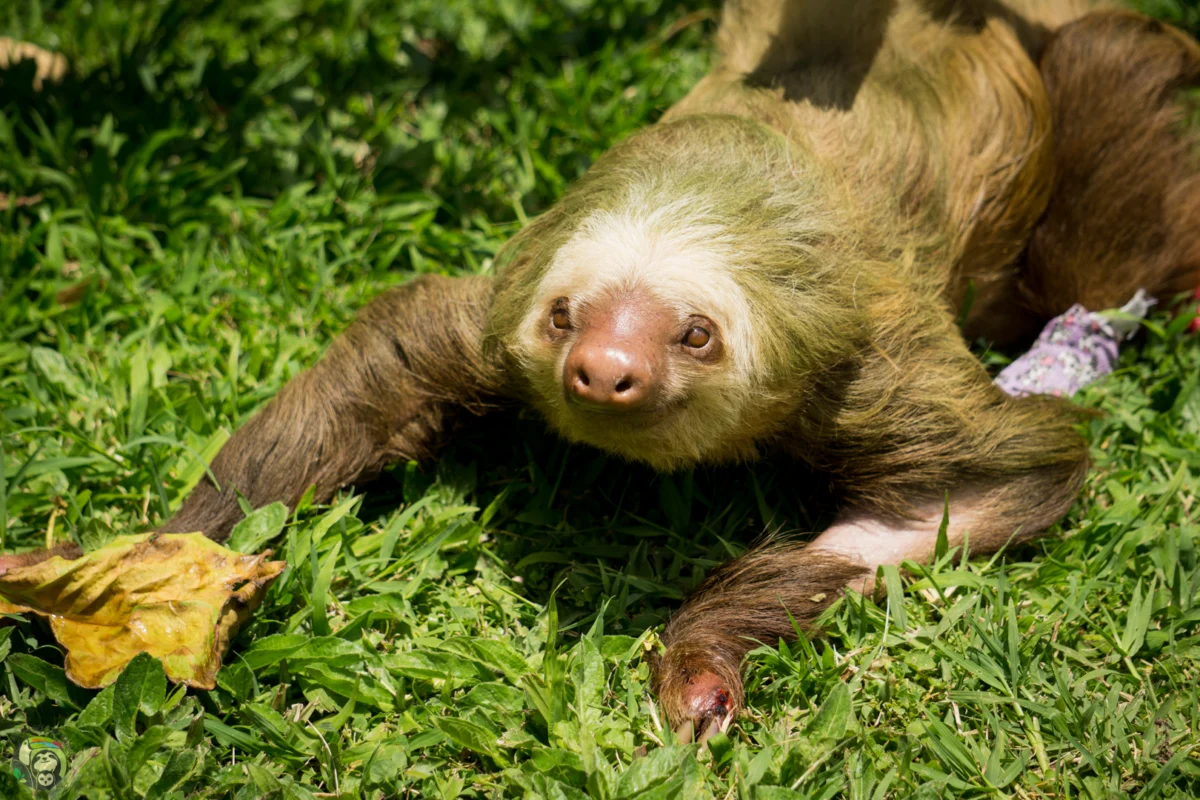
The Toucan Rescue Ranch (TRR), established in the high-altitude forests of Costa Rica, represents a critical intersection between compassionate animal welfare and sophisticated veterinary science. As an institution dedicated to the rescue, rehabilitation, and eventual release of the nation’s diverse wildlife, the ranch has evolved from a small bird sanctuary into a premier medical facility capable of handling complex physiological and surgical challenges across a wide spectrum of species. The mission of the organization is centered on a rigorous medical framework that ensures every injured, orphaned, or displaced animal receives a level of care comparable to modern domestic veterinary standards, yet tailored specifically to the unique requirements of tropical fauna.
The Clinical Foundation of Wildlife Rehabilitation
The medical journey for any animal entering the Toucan Rescue Ranch begins with a standardized, comprehensive health assessment. This protocol is essential in a region like Costa Rica, which hosts nearly 5% of the world’s biodiversity, meaning the veterinary team must be prepared to treat anything from a two-toed sloth to a keel-billed toucan or a rare oncilla. Upon arrival, every patient is subjected to a battery of diagnostic tests. This includes detailed physical examinations to identify fractures, lacerations, or signs of malnutrition, followed by advanced diagnostics such as hematology (blood work) and diagnostic imaging.
Imaging, particularly digital radiography and ultrasonography, is indispensable in wildlife medicine. For example, when a sea turtle or a terrestrial turtle arrives with a fractured carapace—often the result of vehicle strikes or predatory attacks—veterinarians use imaging to determine if internal organs have been compromised before proceeding with shell reconstruction surgery. These initial evaluations allow the clinical staff to develop a data-driven treatment plan that accounts for the specific metabolic rates and stress tolerances of exotic species, which differ significantly from domestic pets.
Specialized Surgical Interventions and Exotic Medicine
The TRR veterinary clinic is outfitted with state-of-the-art medical technology designed to facilitate specialized treatments for avian and exotic residents. Treating wildlife requires a deep understanding of comparative anatomy; for instance, the respiratory system of a bird, which includes air sacs, requires entirely different anesthetic protocols than those used for mammals. The facility’s veterinarians are trained in these nuances, performing intricate orthopedic surgeries to repair wings or limbs, as well as soft tissue surgeries to address internal ailments.
One of the most complex areas of operation involves the repair of turtle shells. Using specialized resins, wires, and sometimes even orthopedic plates, the medical team can stabilize a turtle’s shell, allowing the living bone underneath to regenerate. Similarly, the treatment of electrocuted wildlife—a common issue in Costa Rica due to uninsulated power lines—requires long-term wound management and sometimes skin grafting or specialized laser therapy to promote tissue healing. These interventions are not merely about survival but are focused on restoring full functionality so that the animal can eventually return to the wild.
A Chronological Approach to Recovery and Release
The rehabilitation process at Toucan Rescue Ranch follows a strict chronological progression designed to maximize the chances of a successful reintroduction into the wild. This timeline is generally divided into four distinct phases:
- The Stabilization Phase: Immediately following rescue and initial surgery, animals are kept in a highly controlled clinical environment. During this period, the focus is on pain management, hydration, and the stabilization of vital signs.
- The Intensive Care and Quarantine Phase: To prevent the spread of zoonotic diseases and to monitor the healing process, patients are moved to quarantine units. Here, the veterinary team monitors medication compliance and ensures that surgical sites are healing without infection.
- The Behavioral Rehabilitation Phase: Once physically healed, animals move to outdoor recovery enclosures. These spaces are designed to simulate the animal’s natural habitat, featuring native flora, climbing structures for primates and sloths, or flight tunnels for birds. This phase is critical for psychological well-being and the recovery of natural instincts.
- The Pre-Release Assessment: Before release, an animal must prove it can forage for food, navigate its environment, and display appropriate predator-avoidance behavior. If the animal passes these milestones, it is moved to a "soft release" site, such as the TRR facility in Sarapiquí, where it can be monitored as it transitions back into the rainforest.
Data-Driven Preventative Medicine and Biosecurity
Preventative medicine is the cornerstone of maintaining a healthy sanctuary population. Because the ranch often houses multiple individuals of endangered species in proximity, the risk of disease outbreak is a constant concern. The medical team implements rigorous biosecurity protocols, which include routine health checks, parasite control, and vaccinations where applicable.
Statistical data from wildlife rescue centers globally suggests that infectious diseases can decimate captive populations if not managed proactively. By maintaining detailed electronic medical records for every resident, TRR can track health trends across species and identify potential environmental stressors before they lead to clinical illness. This proactive approach extends to nutritional support, where species-specific diets are formulated to meet the exact caloric and mineral requirements of the animals. For example, toucans are highly susceptible to Iron Storage Disease; therefore, their diet must be carefully controlled to be low in iron, a level of nutritional precision that requires constant collaboration between the veterinary team and specialized nutritionists.
Educational Initiatives and the Global Conservation Context
Beyond the walls of the clinic, Toucan Rescue Ranch serves as an educational hub. The organization believes that the future of wildlife conservation depends on the dissemination of specialized knowledge. To this end, TRR hosts international interns, veterinary students, and researchers who come to learn the intricacies of tropical wildlife medicine. These programs focus on the latest developments in exotic animal care, ranging from neonatal care for orphaned sloths to advanced avian anesthesia.
The educational mission also targets the local community. By sharing the stories of the residents—such as "Carrie" the sloth or the various oncillas that have passed through the doors—the ranch highlights the impact of human activities on local fauna. This outreach is vital in reducing the number of animals that require rescue in the first place, addressing the root causes of wildlife displacement such as the illegal pet trade and habitat fragmentation.
Broader Implications: The "One Health" Perspective
The work performed at Toucan Rescue Ranch is a practical application of the "One Health" concept, which recognizes that the health of humans, animals, and the environment are inextricably linked. In a country like Costa Rica, where eco-tourism is a primary economic driver, the health of the wildlife is a direct indicator of the health of the ecosystem.
When the ranch successfully treats and releases an apex predator or a key seed-disperser like a toucan, it is contributing to the maintenance of ecological balance. The data gathered during the treatment of these animals also provides valuable insights into the environmental pressures facing Costa Rican forests. For instance, an increase in respiratory issues among rescued sloths might indicate changes in local air quality or shifts in climate patterns that affect the moisture levels of the canopy.
Analysis of Impact and Future Outlook
As human infrastructure continues to expand into previously wild areas, the role of facilities like Toucan Rescue Ranch becomes increasingly vital. The ranch acts as a safety net for biodiversity, providing high-level medical care that would otherwise be unavailable to wild populations. While the ultimate goal is always release, the ranch also provides a permanent sanctuary for those animals whose injuries are too severe to allow for survival in the wild. These permanent residents serve as "ambassadors," helping to secure funding and public support for conservation efforts.
The integration of cutting-edge technology—such as the potential for telemedicine consultations with global experts and the use of 3D printing for prosthetic beaks or shells—represents the future of the ranch’s medical program. By staying at the forefront of veterinary innovation, Toucan Rescue Ranch ensures that the wildlife of Costa Rica has a fighting chance against the myriad challenges of the modern world. Through the combination of meticulous diagnostics, tailored surgical interventions, and a deep commitment to post-operative rehabilitation, the ranch remains a leader in the global effort to preserve the natural heritage of one of the world’s most biodiverse nations. Together with the support of the global community and the dedication of its clinical staff, the Toucan Rescue Ranch continues to secure a healthier, more resilient future for the extraordinary creatures that call the Costa Rican rainforest home.
