
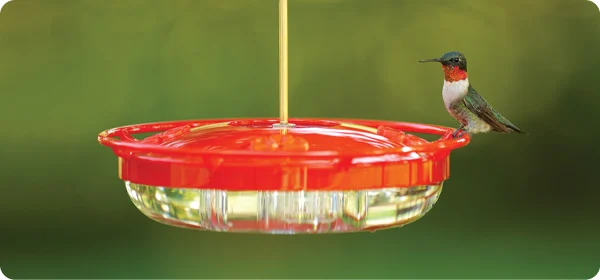
The anticipation of spring’s first hummingbird sighting is a sentiment shared by many, a signal of nature’s reawakening and the promise of vibrant life returning to backyards. This year, as migratory patterns continue to unfold, the return of these diminutive avian marvels offers a reliable source of joy and wonder, a testament to their resilience and the enduring appeal of observing nature’s smallest wonders. While patience is indeed a virtue for those eagerly awaiting their arrival, the reward of witnessing these iridescent jewels flitting through gardens and visiting feeders is consistently profound.
The Epic Journey of the Hummingbird
For countless hummingbirds, the arrival in North America signifies the culmination of an arduous and often perilous migratory journey. Species like the Ruby-throated Hummingbird, a common sight in Eastern North America, undertake migrations that can span over 2,000 miles from their wintering grounds in Central America. This incredible feat of endurance requires an immense expenditure of energy, fueled by a diet rich in nectar and small insects. Their flight paths are not always direct, often following coastlines or major river valleys, utilizing prevailing winds to conserve energy. The sheer scale of this undertaking, especially for birds weighing mere grams, underscores their remarkable biological adaptations and innate navigational abilities.
The timeline for these migrations is generally consistent, with the first arrivals typically appearing in the southernmost United States in late February and early March. As spring progresses northward, so too do the hummingbirds. By April and May, they reach the mid-latitudes, and by June, they are often present in the northernmost reaches of their breeding ranges. This staggered arrival allows for optimal foraging conditions as flowering plants begin to bloom across diverse geographic regions. The exact timing can be influenced by a variety of environmental factors, including temperature, food availability, and daylight hours, making each spring’s arrival a unique ecological event.
Enticing These Tiny Treasures
Attracting hummingbirds to gardens and feeders is a rewarding endeavor for nature enthusiasts. Providing a consistent supply of nectar is paramount. A simple homemade nectar solution, consisting of one part granulated white sugar to four parts boiled and cooled water, is the recommended choice. It is crucial to avoid red dyes, artificial sweeteners, or honey, as these can be harmful to the birds. Regular cleaning of feeders is also essential to prevent the growth of mold and bacteria, which can be detrimental to hummingbird health. Aim to clean feeders every few days, especially in warm weather.
Beyond feeders, the strategic planting of native flowers can significantly enhance a garden’s appeal to hummingbirds. These birds are attracted to brightly colored, tubular flowers that are rich in nectar. In the East, popular choices include bee balm (Monarda spp.), cardinal flower (Lobelia cardinalis), and trumpet vine (Campsis radicans). For those in the Western United States, Anna’s hummingbird, Costa’s hummingbird, and Allen’s hummingbird may be drawn to penstemon, fuchsia, and salvias. The selection of native plants not only supports hummingbird populations but also contributes to local biodiversity and the health of the ecosystem.
Beyond Migration: Resident Hummingbirds
While many associate hummingbirds with seasonal migration, it is important to note that some species are year-round residents in certain regions. In the far West, species such as Anna’s Hummingbird, Costa’s Hummingbird, and Allen’s Hummingbird may be present throughout the year. For residents in these areas, the spring season brings the added delight of observing these birds actively engaged in breeding behaviors. Witnessing the construction of tiny nests, the incubation of eggs, and the subsequent care of young provides a deeper appreciation for the hummingbird life cycle. The appearance of newly fledged hummingbirds, venturing out for their first independent foraging attempts, is a particularly heartwarming sight for dedicated observers.
The Fascinating Feeding Mechanism
Observing hummingbirds in action reveals a remarkable feeding strategy. Contrary to popular belief, hummingbirds do not suck nectar through their beaks. Instead, their tongues are uniquely adapted with open grooves or a forked structure. When extended into a flower or a feeder, the tongue utilizes capillary action and a lapping motion to draw nectar into the mouth. This rapid lapping can occur up to 12 times per second, a testament to their incredible metabolic rate and the energy demands of their lifestyle.

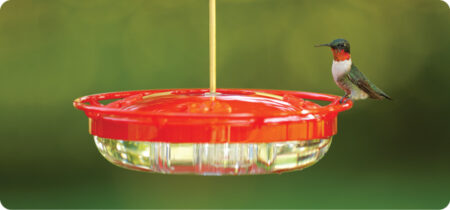
Specialized feeders, such as those with clear plastic bases, offer an exceptional opportunity to witness this intricate feeding mechanism up close. Products like the Wild Birds Unlimited Hummingbird Feeder or the WBU Window Hummingbird Feeder are designed to provide unobstructed views, allowing observers to marvel at the rapid movement of the hummingbird’s tongue. This intimate observation enhances the experience, transforming a simple act of feeding into a captivating lesson in avian biology.
The Broader Impact of Hummingbird Presence
The presence of hummingbirds in our gardens and natural spaces offers more than just aesthetic pleasure. As active pollinators, they play a vital role in the reproduction of many plant species. Their rapid movements and specialized feeding habits make them efficient vectors for pollen transfer, contributing to the health and diversity of plant communities. The economic implications, while not directly quantifiable, are tied to the broader ecological services they provide. Healthy pollinator populations are essential for agriculture and the maintenance of natural landscapes.
Furthermore, the observation of hummingbirds fosters a deeper connection with nature, particularly in urban and suburban environments. Their vibrant colors, energetic flight, and delicate presence can inspire a greater appreciation for the natural world and encourage conservation efforts. For organizations like Wild Birds Unlimited, which specialize in backyard bird feeding and nature education, the return of hummingbirds represents a peak season for customer engagement and educational outreach. Their Nature Centered Podcast, with episodes like "Hooray for Hummingbirds," exemplifies their commitment to educating the public about these fascinating creatures and promoting responsible backyard habitat creation.
Data and Observations on Hummingbird Migration
Scientific research continues to shed light on the complexities of hummingbird migration. Studies utilizing tracking devices and citizen science data have provided valuable insights into migration routes, timing, and the potential impacts of climate change. For instance, research has indicated that some hummingbird species may be altering their migratory patterns in response to warming temperatures, arriving earlier in some regions and shifting their breeding ranges. These shifts can have cascading effects on plant communities and other wildlife that depend on hummingbirds for pollination or as a food source.
The data collected from dedicated observers is invaluable. Platforms like eBird, a project of the Cornell Lab of Ornithology, allow birdwatchers to submit checklists of the birds they see, creating a vast database of bird distribution and abundance. This information helps scientists monitor population trends, understand migration patterns, and identify areas of conservation concern. The collective efforts of citizen scientists are instrumental in furthering our understanding of these migratory marvels.
Official Responses and Conservation Efforts
Conservation organizations and government agencies play a critical role in protecting hummingbird habitats and ensuring the long-term survival of these species. Initiatives focused on habitat restoration, the promotion of native plant gardening, and the reduction of pesticide use are all crucial for supporting hummingbird populations. The U.S. Fish and Wildlife Service and various state wildlife agencies often provide resources and guidance on creating bird-friendly habitats.
Wild Birds Unlimited, as a leading retailer in the backyard bird feeding industry, actively promotes responsible bird feeding practices and supports conservation efforts. Their franchise model emphasizes education and community engagement, empowering individuals to make a positive impact on local wildlife. By providing expert advice and high-quality products, they aim to foster a deeper connection between people and nature, encouraging the stewardship of avian populations, including the beloved hummingbird.
The Enduring Allure of the Hummingbird
In conclusion, the return of hummingbirds each spring is more than just a seasonal event; it is a powerful reminder of nature’s enduring beauty, resilience, and intricate interconnectedness. The patience required to witness their arrival is consistently rewarded by their dazzling displays and the remarkable insights they offer into the natural world. From their epic migratory journeys to their specialized feeding mechanisms and their vital role as pollinators, hummingbirds capture our imagination and inspire a deeper commitment to conservation. The joy they bring to our backyards is a testament to their worth, a vibrant, buzzing promise that even the smallest creatures can leave the most profound and lasting impressions. The ongoing research, citizen science contributions, and dedicated conservation efforts ensure that future generations will continue to experience the magic of these winged wonders.
