
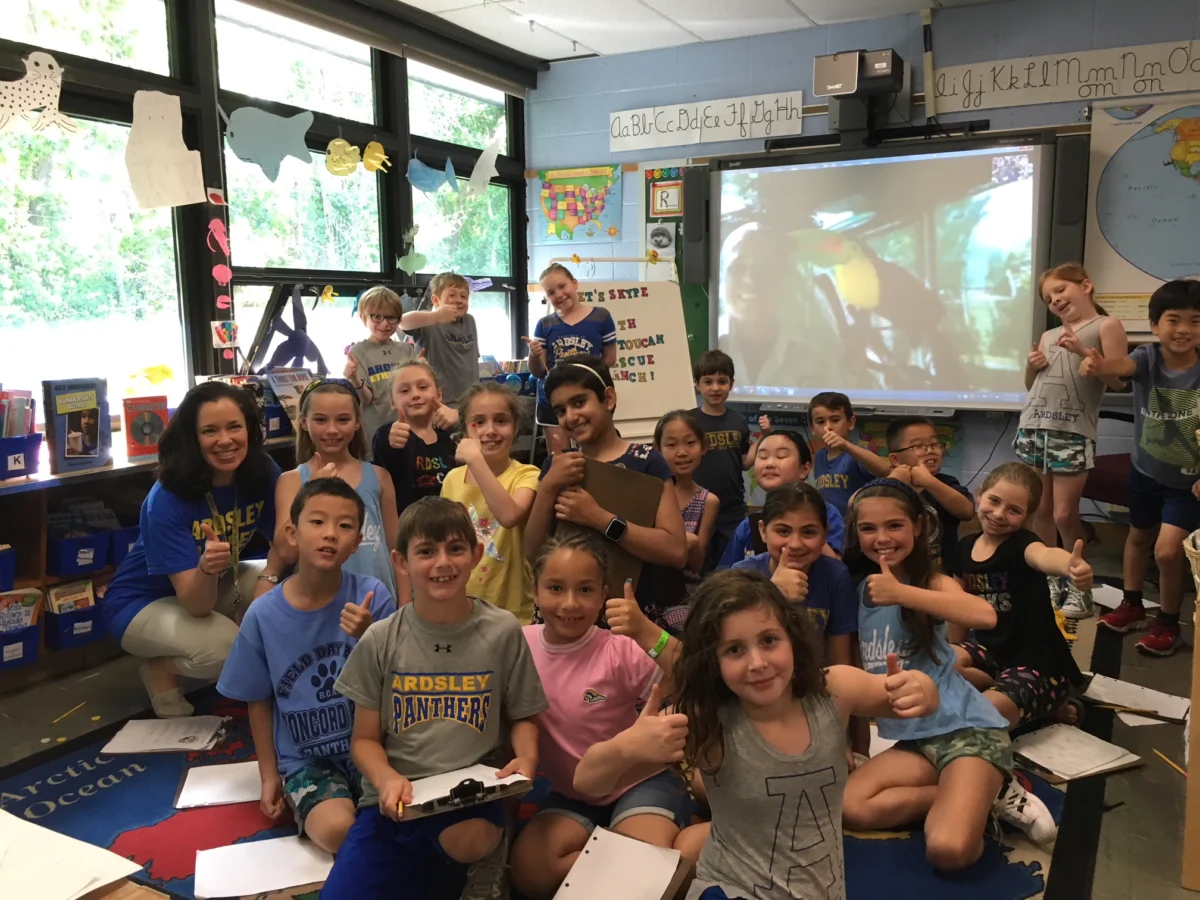
The mission of wildlife conservation has long been understood as a dual-front effort, requiring both the immediate physical intervention of rescue and rehabilitation and the long-term cultural shift facilitated by education. Toucan Rescue Ranch (TRR), a prominent wildlife sanctuary and rescue center based in Costa Rica, has increasingly positioned its Education Program as the cornerstone of its operations. By integrating interactive learning, virtual outreach, and strategic partnerships with global organizations such as Exploring By The Seat Of Your Pants (EBTSOYP), the Ranch is redefining how conservation knowledge is disseminated to a global audience. This initiative seeks not only to inform the public about the biological needs of Costa Rican fauna but also to instill a sense of environmental stewardship that transcends geographical boundaries.
The Strategic Importance of Wildlife Education in the 21st Century
Wildlife rescue organizations often face a recurring cycle of intake: animals arriving due to preventable human-wildlife conflicts, such as illegal pet trade, habitat encroachment, and domestic animal attacks. Toucan Rescue Ranch, founded in 2004 by Leslie Howle, recognized early in its history that medical intervention alone could not solve the root causes of wildlife displacement. The Education Program was thus developed as a proactive measure to address these systemic issues.
The program is built on the philosophy that empathy for wildlife is fostered through proximity and understanding. By offering guided tours and hands-on workshops, the Ranch provides a controlled environment where the public can observe the complexities of animal behavior and the intricacies of habitat preservation. These experiences are designed to align with international curriculum standards, making them a valuable resource for educational institutions seeking to supplement science and biology programs with real-world applications.
A Chronology of Growth: From Local Sanctuary to Global Educator
The trajectory of Toucan Rescue Ranch’s educational outreach has evolved significantly over the past two decades. In its early years, the Ranch focused primarily on local community engagement within the Heredia province of Costa Rica. The goal was to educate neighbors about the importance of protecting local bird species, particularly the toucans for which the ranch was named.
As the facility expanded its scope to include mammals—most notably sloths, anteaters, and oncillas—the educational curriculum expanded accordingly. A pivotal moment occurred in 2017 with the launch of the "Saving Sloths Together" (SST) program, a collaborative effort with The Sloth Institute Costa Rica. This partnership highlighted the need for specialized education regarding the two species of sloths found in the region: the Hoffmann’s two-toed sloth (Choloepus hoffmanni) and the Brown-throated three-toed sloth (Bradypus variegatus).
The most significant shift in the program’s delivery method came in 2020. The global pandemic necessitated a move away from physical tourism, prompting the Ranch to invest heavily in virtual learning infrastructure. This transition allowed the organization to reach students and wildlife enthusiasts who would otherwise never have the opportunity to visit Costa Rica. The success of these virtual tours laid the groundwork for the Ranch’s current partnership with National Geographic Explorer Joe Grabowski and his platform, Exploring By The Seat Of Your Pants.
Bridging the Digital Divide: The EBTSOYP Partnership
Exploring By The Seat Of Your Pants (EBTSOYP) has been a transformative force in classroom education since its inception in 2015. By connecting students with scientists, explorers, and conservationists via live video conferencing, the platform has broken down the walls of traditional classrooms. To date, EBTSOYP has hosted over 1,000 live events, reaching hundreds of thousands of students across more than 60 countries.
The partnership between Toucan Rescue Ranch and EBTSOYP represents a sophisticated fusion of field-based conservation and digital pedagogy. Through monthly virtual visits, North American classrooms are transported to the rainforests of Costa Rica. These 40-minute sessions are specifically designed to be interactive, moving beyond passive video consumption to active engagement. A knowledgeable guide from the Ranch leads the sessions, providing real-time commentary on the rescue and rehabilitation process.
The focus on sloths within these sessions is a strategic choice. Sloths have become a "flagship species" for Costa Rican conservation, possessing a high level of public appeal that can be leveraged to discuss broader environmental issues. During these virtual visits, students learn about the "Saving Sloths Together" program, which focuses on the rescue of orphaned and injured sloths, their intensive rehabilitation, and their eventual release back into the wild. The sessions conclude with a live Q&A, allowing students to engage directly with experts, a method proven to increase retention and interest in STEM (Science, Technology, Engineering, and Mathematics) careers.
Supporting Data and Environmental Context
The necessity of such programs is underscored by the current state of biodiversity in Costa Rica. While the country accounts for only 0.03% of the earth’s landmass, it contains nearly 6% of the world’s biodiversity. However, this biodiversity is under constant threat. According to data from Costa Rica’s Ministry of Environment and Energy (MINAE), thousands of animals are rescued annually from situations involving electrocution on uninsulated power lines, dog attacks, and road accidents.
Educational initiatives like those at Toucan Rescue Ranch provide the data-driven context needed to understand these threats. For example, the Ranch’s programs often highlight the specific physiological needs of sloths—such as their slow metabolism and specialized diet—which make them particularly vulnerable to habitat fragmentation. By presenting this data to students, the Ranch transforms a "cute" animal into a biological case study on the importance of ecological corridors and urban planning.
Furthermore, the impact of the virtual program is measurable. Since partnering with EBTSOYP, the Ranch has seen a documented increase in international support and small-scale donations. A $25.00 donation incentive for participating classrooms not only provides the Ranch with necessary funds for medical supplies and specialized milk formulas for orphaned sloths but also gives students a tangible sense of participation in a global cause.
Official Perspectives and Community Impact
While official statements from the Ranch emphasize the logistical success of the program, the inferred reaction from the broader conservation community suggests a shift in how NGOs view their role. Modern conservation is no longer just about "boots on the ground"; it is about "eyes on the screen." By professionalizing their media outreach, organizations like Toucan Rescue Ranch are ensuring their survival in an increasingly digital donor landscape.
Joe Grabowski, the founder of EBTSOYP, has frequently championed the idea that curiosity is the first step toward conservation. Through this partnership, the Ranch is tapping into that curiosity at a foundational level. The "Community Impact" section of the Ranch’s mission highlights that the goal is to build a "global network of informed and passionate advocates." This is not merely marketing language; it is a recognition that the students of today are the policymakers and scientists of tomorrow.
Broader Implications for Global Conservation
The success of the Toucan Rescue Ranch Education Program offers a blueprint for other conservation organizations worldwide. It demonstrates that educational outreach is not a secondary objective but a primary tool for sustainability. By diversifying their educational offerings—ranging from local onsite tours to international virtual sessions—the Ranch has created a resilient model that can withstand fluctuations in tourism and changes in the global economy.
There is also a significant economic implication to these programs. Wildlife tourism and education contribute substantially to Costa Rica’s "green economy." By fostering an international audience that is invested in the welfare of Costa Rican wildlife, the Ranch is indirectly supporting the country’s broader conservation goals and its reputation as a leader in environmental policy.
The move toward virtual learning also addresses issues of equity in education. By providing these sessions for free to classrooms through the EBTSOYP platform, the Ranch ensures that students from lower-income districts or remote areas have the same access to world-class conservation experts as those in more affluent regions. This democratization of information is essential for building a truly global conservation movement.
Conclusion: A Legacy of Stewardship
As Toucan Rescue Ranch continues to expand its Education Program, the focus remains on the individual stories of the animals in its care. Whether it is a sloth recovering from an injury or a toucan being prepared for release, these stories serve as the narrative engine for the Ranch’s educational efforts. The partnership with Exploring By The Seat Of Your Pants and the ongoing commitment to interactive, data-backed learning ensure that the Ranch’s impact is felt far beyond the borders of its sanctuary.
Through these combined efforts, Toucan Rescue Ranch is proving that the path to a sustainable future is paved with knowledge. By inspiring the next generation of environmental stewards, the organization is ensuring that the wonders of the rainforest—and the creatures that call it home—will continue to be protected for decades to come. The message is clear: conservation begins with education, and education is most effective when it is shared with the world.
