
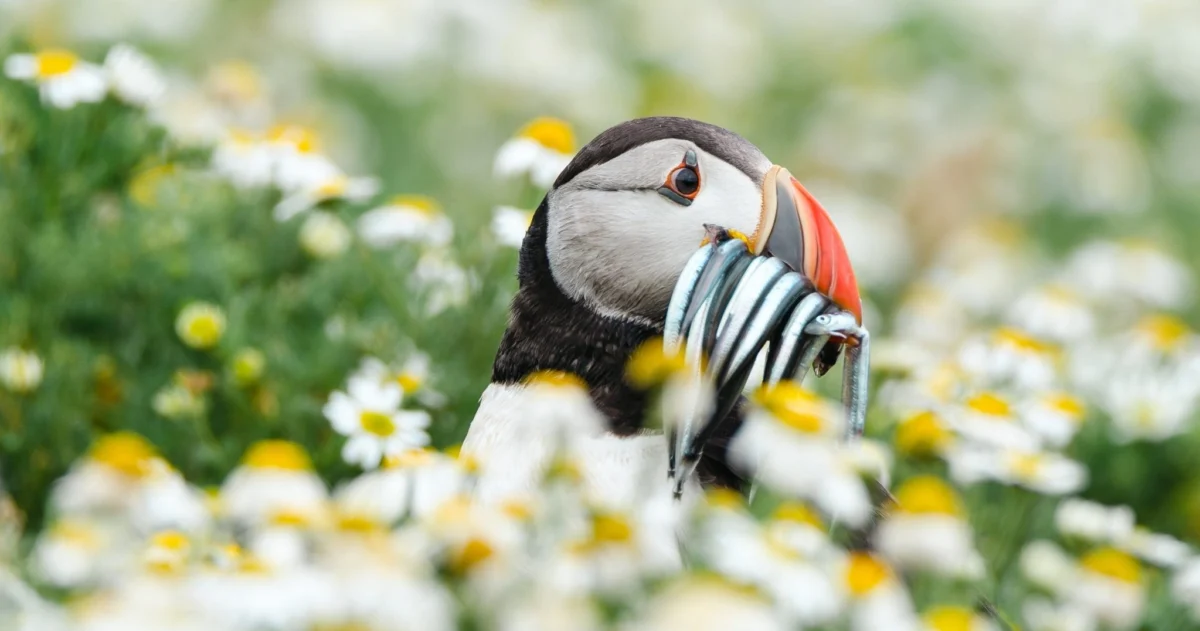
The Atlantic Puffin (Fratercula arctica), an unmistakable and cherished emblem of northern European coastlines, is facing an unprecedented crisis. With their vibrant, multi-coloured beaks, comical gait, and distinctive calls, these iconic seabirds are a beloved sight, drawing thousands of tourists annually to their breeding colonies. Yet, as the Northern Hemisphere transitions from winter’s grip to the promise of spring, a grim reality has emerged: an estimated 38,000 seabirds, including hundreds of puffins, have been found washed ashore along the Atlantic coasts of Spain, Portugal, and France, with hundreds more discovered in the UK. This devastating event marks Europe’s most significant "seabird wreck" in a decade, raising profound concerns about the health of marine ecosystems and the escalating pressures on vulnerable species.
Understanding the Atlantic Puffin: An Icon Under Threat
Atlantic Puffins are truly remarkable creatures, spending the vast majority of their lives, sometimes up to eight months without touching land, traversing the vast expanses of the open ocean. These pelagic birds are perfectly adapted to their marine existence, diving deep to hunt small fish like sand eels, herring, and capelin, which form the cornerstone of their diet. Their unique bill, while strikingly colourful during the breeding season, is also a highly efficient tool for catching and holding multiple fish simultaneously, a feat that makes them instantly recognisable.
Each year, from April to August, these resilient birds undertake an arduous journey back to land, congregating in vast colonies on remote islands and cliff faces across the North Atlantic. Key breeding grounds include the Farne Islands and Bempton Cliffs in the UK, Skomer Island in Wales, the Isle of May in Scotland, and the remote St. Kilda archipelago, among many others across Norway, Iceland, and Canada. It is during this crucial period that they pair up, nest in burrows, and raise their single chick, known as a ‘puffling’. Their relatively slow reproductive rate – typically producing just one egg per year – makes their populations particularly susceptible to sudden, large-scale mortality events. Globally, the Atlantic Puffin is classified as ‘Vulnerable’ on the IUCN Red List of Threatened Species, with European populations facing an even graver status, often listed as ‘Endangered’ due to significant declines over recent decades.
The Winter’s Fury: A Chronology of Devastation
The origins of this winter’s devastating seabird wreck can be traced back to a series of exceptionally severe and prolonged storm systems that battered the North Atlantic throughout the late winter and early spring months of 2024. From late January through March, powerful low-pressure systems, including named storms and relentless frontal activity, swept across the Bay of Biscay, the English Channel, and the Celtic Sea. These meteorological conditions generated monstrous waves, gale-force winds, and turbulent seas, transforming the puffins’ migratory routes and foraging grounds into treacherous environments.
As early as February, reports began to trickle in from local coastal communities and environmental volunteer groups along the Iberian Peninsula. Initially, scattered dead seabirds were found, but as the weeks progressed, the scale of the tragedy became horrifyingly clear. Thousands of carcasses, primarily guillemots, razorbills, kittiwakes, and, notably, Atlantic Puffins, began washing ashore across a vast geographical expanse. From the rugged coastlines of Galicia and Asturias in northern Spain, down through Portugal, and sweeping up the western seaboard of France, particularly Brittany and Normandy, beaches became graveyards for marine life.
The United Kingdom was not spared. In Cornwall, a region renowned for its rich marine biodiversity, hundreds of dead puffins were discovered. This figure stands in stark, chilling contrast to the mere two dead puffins reported in the same area during the entire previous year. The sheer volume of casualties overwhelmed local rescue and conservation organisations, who struggled to document, collect, and analyse the grim findings. The timeline revealed a peak in strandings during late February and early March, coinciding directly with the most intense periods of stormy weather. Scientists and conservationists witnessed a true horror scenario unfold, transforming what would typically be a winter wonderland into a veritable crime scene of ecological devastation.
Defining a Seabird Wreck: A Natural Phenomenon Amplified
A "seabird wreck" is a recognised natural phenomenon where large numbers of seabirds wash up dead or dying on beaches. Typically, these events occur after severe winter storms exhaust and starve birds that spend their winter far out to sea. The mechanism is straightforward yet brutal: prolonged periods of rough seas make foraging exceptionally difficult. Puffins, like many other pursuit-diving seabirds, rely heavily on their keen eyesight to locate prey in clear water. Turbulent, sediment-laden waters reduce visibility dramatically, rendering their hunting efforts futile.
After weeks or even months at sea, enduring long migratory journeys and facing intense environmental pressures, these birds are already operating on fine energetic margins. When confronted with relentless storms, they expend extraordinary amounts of energy fighting currents and winds, struggling to find sustenance in inaccessible waters. Many succumb to exhaustion and starvation, their bodies simply giving out before they can reach calmer waters or their breeding grounds. They die at sea, and their carcasses are subsequently carried to shore by tides and currents.
While natural, the scale and frequency of recent wrecks are a cause for alarm. The last comparable event in Europe occurred in the winter of 2013-14, when over 54,000 seabirds were reported dead across European Atlantic coastlines. In that instance, Atlantic Puffins were also among the most affected species. Historical records indicate that such mass mortality events have occurred periodically, but the increasing intensity and regularity are concerning. It is crucial to acknowledge that the reported figures, devastating as they are, represent only a fraction of the true mortality. The vast majority of birds that perish at sea never wash ashore, meaning the actual death toll from this winter’s wreck is undoubtedly far higher than current estimates suggest.
Beyond the Storms: The Climate Change Connection
While winter storms are a natural part of the Atlantic’s weather patterns, a growing body of scientific evidence suggests that climate change is exacerbating their power and frequency, thereby intensifying the impact of seabird wrecks. As global temperatures rise, the oceans absorb a significant portion of the excess heat. Warmer sea surface temperatures can fuel more intense atmospheric conditions, leading to more powerful and protracted storm systems. The North Atlantic, in particular, is experiencing significant changes in its oceanographic and meteorological dynamics.
The Intergovernmental Panel on Climate Change (IPCC) reports consistently highlight the increasing likelihood of extreme weather events, including more intense storms and marine heatwaves, as the planet continues to warm. For seabirds, this means that the "natural phenomenon" of a wreck is becoming less natural and more a consequence of human-induced environmental shifts. If warming seas continue to intensify extreme weather, conditions that push seabirds beyond their physiological limits could become a regular occurrence, making population recovery increasingly difficult. The cumulative stress from such events, year after year, threatens to overwhelm even the most resilient species.
The Broader Crisis for European Seabirds: A Web of Threats
The winter’s wreck is not an isolated incident but rather a stark symptom of a deeper, systemic crisis facing European seabird populations. Decades of scientific monitoring have revealed alarming declines across numerous species, with some populations plummeting by 20-30% or more over the last 30-50 years. These declines are driven by a complex interplay of anthropogenic threats, which are collectively pushing many seabird species, including the Atlantic Puffin, to the brink.
Antonio Vulcano, Senior Marine Conservation Officer at BirdLife Europe and Central Asia, articulated the gravity of the situation: "In Europe, threats to seabirds are worsening every year. At the same time, seabird populations in the region are declining, and recovery can take a long time. Puffins, an iconic species of the northern seas, are no exception. Stormy weather in the Atlantic during this winter has caused huge numbers of Puffins and other seabirds to wash up dead on Spanish, Portuguese, French, and UK shores. This adds to an already long list of threats, such as food shortages due to overfishing, bycatch in fishing gears, predation at breeding colonies by invasive alien species, and poorly planned offshore wind developments. It is crucial to focus on the cumulative effects of these several threats on seabird populations. Only by addressing the full range of threats we can help them to bounce back, by reducing pressures before it is too late."
Elaborating on these cumulative threats reveals a grim picture:
- Food Shortages due to Overfishing: Many seabird species, including puffins, rely on small forage fish like sand eels and capelin. Overfishing of these crucial prey species, often for fishmeal production, depletes the food base, forcing birds to travel further to find food or face starvation, particularly during the demanding breeding season.
- Bycatch in Fishing Gears: Thousands of seabirds drown each year after becoming entangled in active or discarded fishing gear, such as gillnets, longlines, and trawls. This "bycatch" is a significant, often unquantified, source of mortality.
- Predation at Breeding Colonies by Invasive Alien Species: Remote islands, traditionally safe havens for nesting seabirds, are increasingly threatened by invasive predators like rats, stoats, and mink, introduced by human activity. These predators decimate eggs and chicks, and even adult birds, severely impacting breeding success.
- Poorly Planned Offshore Wind Developments: While renewable energy is vital, the rapid expansion of offshore wind farms poses new risks. Birds can collide with turbine blades, and the presence of large wind arrays can displace them from vital foraging areas or migratory routes, leading to increased energetic expenditure and reduced breeding success.
- Pollution: Chronic oil spills, plastic ingestion (which can cause starvation or internal injuries), and accumulation of chemical pollutants (PCBs, heavy metals) weaken birds, impair their reproductive success, and compromise their immune systems, making them more susceptible to disease and environmental stressors.
Immediate and Long-Term Implications for the Breeding Season
The timing of this winter’s wreck could have dramatic, long-lasting consequences. As the spring breeding season approaches, the absence of tens of thousands of adult birds means significantly fewer breeding pairs are expected to return to their traditional nesting cliffs. Iconic sites such as Bempton Cliffs, Skomer Island, the Farne Islands, the Isle of May, and St. Kilda, already facing pressures, could see noticeable reductions in their breeding populations this year.
For a species like the Atlantic Puffin, which takes several years to reach sexual maturity and typically raises only one chick per year, the loss of mature, experienced breeders is particularly devastating. It can take many years, even decades, for populations to recover from such a significant demographic blow. This event acts as a severe bottleneck, reducing the genetic diversity and resilience of the affected populations, making them even more vulnerable to future environmental challenges. The scale of this year’s losses is a painful reminder of how fragile life at sea can be and how quickly populations can be impacted by compounding stressors.
Response, Research, and a Call to Action
In the immediate aftermath of the wreck, a dedicated network of local shelters, environmental organizations, and volunteer groups across affected European nations, including the Wildlife Trust in the UK, mobilised tirelessly. Their efforts focused on rescuing any live, stranded birds – though tragically, most were found deceased – and meticulously documenting the casualties. This data collection is crucial for understanding the geographical spread, species affected, and potential causes of such events, informing future conservation strategies.
Scientists are also conducting post-mortem examinations on carcasses to determine precise causes of death, assess body condition, and look for any underlying health issues or contaminants that might have contributed to their vulnerability. These findings will provide invaluable insights into the physiological state of the birds before the wreck and the broader health of the marine environment.
The winter’s tragedy serves as an urgent call to action. European seabird populations are already in crisis, and protecting them has become crucial for their survival. Conservation organisations are advocating for stronger, more comprehensive marine protection measures. These include:
- Expanding and effectively managing Marine Protected Areas (MPAs): Creating safe havens where seabirds can forage and breed without disturbance and where their prey species can thrive.
- Implementing truly sustainable fisheries management: Reducing bycatch through improved fishing gear and practices, and establishing scientifically robust quotas for forage fish to ensure sufficient food for seabirds and other marine life.
- Careful and strategic planning of offshore developments: Ensuring that new wind farms and other marine infrastructure are sited and designed to minimise impacts on sensitive seabird populations and their habitats.
- Mitigating climate change: The overarching imperative to reduce greenhouse gas emissions globally to stabilise ocean temperatures and reduce the frequency and intensity of extreme weather events.
As Atlantic Puffins, those that survived, begin their annual return to their nesting cliffs this spring, the months ahead will depend not only on the capricious nature of the weather but, more critically, on the collective choices humanity makes on land and at sea. With stronger protection of marine ecosystems, a commitment to sustainable fishing practices, and well-planned offshore development, we can ease some of the relentless pressures seabirds face. Moments like this winter’s wreck are a sobering reminder of how much these magnificent birds depend on healthy seas, and how much difference the right actions, taken now, can make for the future of Europe’s beloved Atlantic Puffins and the myriad other species that call the ocean home.
