
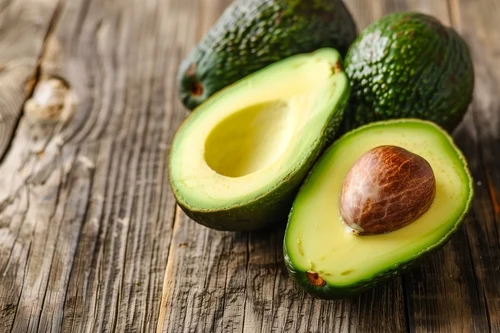
The rapid growth of the backyard poultry movement has led to an increased interest in sustainable feeding practices, often involving the diversion of kitchen scraps to the coop. However, veterinary experts and avian specialists are issuing a stern warning regarding a common household staple: the avocado. While prized by humans for its nutritional density and healthy fats, the avocado (Persea americana) contains a fungicidal toxin known as persin that is highly lethal to chickens, turkeys, and a wide array of other livestock and domesticated animals. According to the Merck Veterinary Manual, every component of the avocado plant—including the fruit’s flesh, the nutrient-dense skin, the large central pit, and the leaves of the tree itself—poses a significant health risk.
Persin is a fat-soluble compound structurally similar to a fatty acid, which the avocado plant produces as a natural defense mechanism against fungal attacks. While humans can metabolize this compound without ill effect, many non-human species lack the biological pathways to process it safely. In birds, the ingestion of even a small amount of persin can lead to rapid onset of myocardial necrosis, a condition characterized by the death of heart muscle cells. This often results in acute respiratory distress, the accumulation of fluid around the heart and lungs, and eventual heart failure. For a small bird, such as a chicken, consuming as little as five percent of a single avocado can prove fatal within a 48-hour window, making it one of the most dangerous common foods found in the domestic environment.
The Biological Mechanism of Persin Toxicosis
To understand why the avocado is so perilous for chickens, one must look at the cellular impact of persin. Once ingested, the toxin is absorbed into the bloodstream and targets the secretory cells and the myocardium (the muscular tissue of the heart). In mammals, persin toxicosis often manifests as mastitis—the inflammation of mammary tissue—and the failure of milk production. However, in avian species, the toxin strikes the heart with devastating precision.

As the heart muscle fibers begin to degenerate, the heart’s ability to pump blood efficiently is compromised. This leads to a secondary condition known as pulmonary edema, where fluid builds up in the lungs, and hydropericardium, where fluid collects in the sac surrounding the heart. Because birds have a high metabolic rate and a highly efficient but sensitive respiratory system, these physiological changes lead to rapid suffocation. Owners often report that affected chickens appear lethargic or "puffed up" before they begin gasping for air, a clinical sign known as dyspnea. In many cases, the damage is so swift that the bird may show no outward symptoms before being found dead in the coop.
A Chronology of Ingestion and Clinical Progression
The timeline of avocado poisoning is notably aggressive. Within the first few hours of ingestion, the toxin begins to interact with the bird’s cardiac tissue. While the bird may continue to forage and behave normally during this "silent" phase, the internal damage is already progressing.
Between 12 and 24 hours post-ingestion, the first clinical signs typically emerge. These include a noticeable decrease in activity, a refusal to eat or drink, and a drooping of the wings. As the heart begins to fail, the bird’s oxygen levels drop, leading to cyanosis—a bluish tint to the comb and wattles, which are normally a vibrant red. By the 24-to-48-hour mark, the respiratory distress becomes acute. The chicken may stretch its neck out to breathe or open its beak wide in an attempt to pull in more oxygen. Without immediate and intensive veterinary intervention—which is rarely successful once cardiac necrosis has set in—the bird will succumb to heart failure.
Species Susceptibility and the Risk Beyond the Coop
While chickens are frequently the focus of backyard toxicity reports, they are far from the only animals at risk. The Merck Veterinary Manual and various toxicological studies have confirmed that persin poisoning affects a broad spectrum of animals. Turkeys are particularly sensitive, often showing even higher mortality rates than chickens when exposed to avocado leaves or fruit.

Beyond the avian world, the list of susceptible species is extensive:
- Small Mammals: Mice, rats, and guinea pigs are highly vulnerable to the toxin, often experiencing similar cardiac issues.
- Livestock: Sheep and goats are known to suffer from both cardiac distress and severe mastitis if they graze on avocado leaves or discarded fruit. In some cases, the damage to the mammary glands is permanent, rendering the animal unable to nurse its young.
- Equines: Horses can develop significant swelling of the head, neck, and chest (edema) after consuming avocado plant matter.
- Large Birds: Ostriches and emus have also been documented as victims of persin toxicosis, proving that the toxin’s effect is not limited by the size of the bird.
Interestingly, while dogs and cats are generally more resistant to the lethal cardiac effects of persin compared to birds, they are still at risk for gastrointestinal upset. Furthermore, the large pit of the avocado presents a significant choking hazard and a risk of intestinal obstruction for larger domestic pets.
Botanical Variations and Toxin Concentration
The concentration of persin varies significantly depending on the variety of the avocado and the part of the plant involved. Botanists generally categorize avocados into three races: Mexican, Guatemalan, and West Indian. Research indicates that the Guatemalan varieties tend to have higher concentrations of persin than others. However, for the average pet owner or hobby farmer, distinguishing between these varieties at a grocery store or in a landscape is difficult, leading experts to recommend a blanket ban on all avocado products for animal feed.
The leaves of the avocado tree are the most toxic part of the plant. This is a critical piece of information for farmers in warmer climates where avocado trees might be grown as shade trees in or near livestock pastures. Even dried, fallen leaves retain enough persin to be lethal. The skin of the fruit is the second most concentrated source, followed by the pit and the green flesh. While some anecdotal reports on social media claim that chickens have eaten the flesh of the avocado without dying, veterinary toxicologists warn that this is likely due to low-dose exposure or specific varietal differences. The risk of sudden death is high enough that "testing" the toxin is considered a dangerous and irresponsible practice.

Expert Recommendations and Veterinary Responses
Veterinary professionals emphasize that prevention is the only effective strategy against persin toxicosis. There is currently no specific antidote for persin poisoning. Treatment in a clinical setting is primarily supportive, involving oxygen therapy, diuretics to reduce fluid buildup, and sedatives to keep the animal calm and lower the heart’s oxygen demand. However, because the damage to the heart muscle is irreversible, the prognosis for any animal showing clinical signs of avocado poisoning is extremely poor.
"The best way to protect your flock is to ensure that avocado never enters their diet in any form," says the general consensus among avian experts. This includes being vigilant about "hidden" avocado in kitchen scraps, such as salads that have been tossed with avocado oil or leftovers that contain small pieces of the fruit.
Broader Implications for Backyard Farming
The danger of avocado consumption highlights a larger issue within the backyard farming community: the misconception that all "natural" or "human-grade" foods are safe for animals. As more people turn to poultry keeping to secure their own food sources and reduce food waste, the risk of accidental poisoning increases.
Education is the primary tool for mitigating these risks. Many new chicken keepers are unaware that chickens have specific dietary restrictions. In addition to avocados, other common foods that can be toxic or harmful to chickens include:

- Dried or Undercooked Beans: Contain hemagglutinin, which is toxic to birds.
- Moldy Feed: Can contain mycotoxins that cause rapid illness.
- Nightshade Family (Green Potatoes and Tomatoes): Contain solanine, a natural pesticide that is toxic in high amounts.
- Chocolate and Caffeine: Lead to cardiac arrhythmia and hyperactivity.
- High-Salt Foods: Can cause salt poisoning and kidney failure in small birds.
The trend of "circular feeding"—where household waste feeds the chickens, and the chickens provide eggs—is environmentally sound but requires a disciplined approach to sorting waste.
Conclusion and Safe Alternatives
For those looking to provide their chickens with healthy, varied treats without the risk of persin toxicosis, there are numerous safe alternatives. Leafy greens like kale and spinach (in moderation), watermelon, blueberries, and cooked grains provide excellent nutritional value and enrichment for the birds. Scraps such as squash, pumpkins, and cucumbers are also highly favored by poultry and contain no hidden toxins.
The case of the avocado serves as a vital reminder of the physiological differences between humans and the animals we care for. While the avocado remains a "superfood" for human consumption, it is a potent poison in the poultry yard. By maintaining a strict "no avocado" policy and educating fellow hobbyists, backyard farmers can ensure the health and longevity of their flocks, preventing avoidable tragedies and promoting a safer environment for all domestic livestock.
