
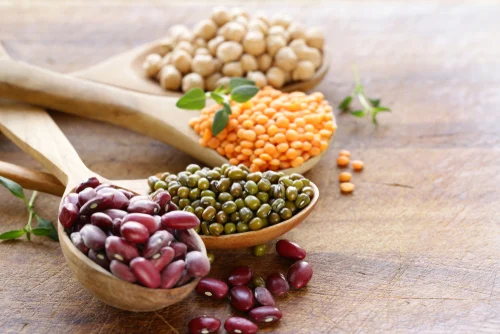
The rising popularity of backyard poultry keeping has brought with it a renewed focus on avian nutrition and the safety of supplemental feeding. While chickens are often celebrated for their ability to process kitchen scraps and garden waste, certain common pantry staples pose a severe, and often fatal, biological threat to these birds. At the forefront of these dangers are raw, dried beans, which contain a potent toxin known as phytohaemagglutinin (PHA), a type of lectin. This naturally occurring compound serves as a chemical defense mechanism for the plant, yet it can trigger rapid physiological collapse in poultry, with as few as three or four raw beans being sufficient to cause death in an adult chicken.
The biological reality of legume consumption in the coop is a matter of chemical safety rather than mere digestive preference. Phytohaemagglutinin is a sugar-binding protein that, when ingested in its raw state, interferes with the cellular metabolism of the consumer. In the wild, this toxin acts as a natural insecticide and deterrent, protecting the seeds of the legume from being consumed by predators or destroyed by pests before they can germinate. However, when introduced into the digestive tract of a chicken, the toxin binds to the carbohydrate portions of the cells lining the small intestine. This interference disrupts nutrient absorption and triggers a systemic inflammatory response that can lead to a swift and painful demise for the bird.
The Chemistry of Phytohaemagglutinin and Avian Vulnerability
To understand why dried beans are so hazardous, one must examine the molecular structure of lectins. Phytohaemagglutinin is particularly concentrated in the seeds of legumes, with red kidney beans containing the highest levels. In their raw state, these beans are measured in Hemagglutinating Units (hau). A raw red kidney bean can contain between 20,000 and 70,000 hau, whereas a fully cooked bean contains only 200 to 400 hau. For a creature with a relatively small body mass and a fast metabolic rate like a chicken, the ingestion of even a small quantity of high-hau material is catastrophic.

The symptoms of PHA poisoning in poultry are acute and distressing. Upon ingestion, the toxin begins to damage the intestinal villi—the small, finger-like projections responsible for nutrient uptake. This leads to a total breakdown of the digestive process. Initial clinical signs often include extreme lethargy, followed by severe vomiting and diarrhea. Because chickens have a highly efficient but sensitive gastrointestinal system, the rapid loss of fluids and the systemic shock caused by the lectins can lead to death within hours. Unlike humans, who might experience severe food poisoning from undercooked beans but generally recover with medical intervention, the avian response to PHA is frequently terminal due to the high dosage relative to their size.
The Protocol for Safe Legume Integration
The danger of dried beans does not mean that legumes are inherently excluded from a chicken’s diet; rather, it dictates a rigorous and non-negotiable preparation process. The toxicity of PHA is heat-labile, meaning it can be neutralized through specific thermal processing. However, simple warming or soaking is insufficient to make dried beans safe.
The industry-standard protocol for rendering dried beans safe for avian consumption involves three critical stages. First, the beans must be soaked in cold water for a minimum of five to twelve hours. This initial rehydration begins the process of leaching out some of the surface toxins. Second, the soaking water must be discarded entirely, and the beans must be rinsed thoroughly under fresh, running water. The soaking water itself becomes a concentrated solution of lectins and must never be used for cooking or offered to animals. Finally, the beans must be boiled at a sustained temperature of 100°C (212°F) for at least ten to thirty minutes.
It is a common misconception that slow cookers or "crock pots" are a safe way to prepare beans for chickens. In fact, research into food safety has shown that heating beans to only 80°C (176°F)—a common temperature for the "low" setting on many slow cookers—can actually increase the toxicity of the beans by up to five times. For the safety of the flock, boiling is the only guaranteed method to denature the phytohaemagglutinin proteins. Once the beans have been boiled, rinsed again, and allowed to cool, they become a high-protein, safe treat for poultry.

Comparative Safety: Beans, Peas, and Spouts
The risk profile varies significantly across different types of legumes and their states of growth. While red kidney beans are the most toxic, other dried varieties such as white kidney beans (cannellini), black beans, and pinto beans also contain dangerous levels of PHA and must be treated with the same caution.
In contrast, fresh legumes present a different chemical profile. Fresh green beans, wax beans, and snap peas are generally considered safe for chickens to consume raw. These "green" stages of the plant contain significantly lower concentrations of lectins compared to the mature, dried seed. Similarly, garden peas and lima beans in their fresh state are staple treats for many backyard flocks and provide essential vitamins and minerals without the risk of PHA toxicity.
The practice of sprouting beans is another area where poultry keepers must exercise discernment. The process of germination and sprouting can significantly reduce the lectin content in many legumes, such as mung beans and lentils, making them safe and highly nutritious for chickens. However, this rule does not apply universally. Experts, including noted poultry specialist Lisa Steele, warn that even sprouted kidney beans can retain enough toxin to be dangerous. The general consensus among avian nutritionists is that if a bean requires boiling to be safe for a human, it should be boiled before being fed to a chicken, regardless of whether it has been sprouted.
The Role of Canned and Processed Beans
For many backyard farmers, canned beans offer a convenient alternative to the labor-intensive process of soaking and boiling. Canned beans are pre-cooked under high pressure and temperature during the commercial canning process, which effectively neutralizes the phytohaemagglutinin. Consequently, they are safe from a toxicological standpoint.

However, canned beans introduce a different nutritional concern: sodium. Most commercially canned legumes are preserved in a heavy brine. Chickens have a very low tolerance for salt, and excessive sodium intake can lead to kidney damage or salt poisoning. To mitigate this, any canned beans intended for the coop must be thoroughly rinsed in a colander to remove as much of the salty liquid as possible. When offered in moderation as part of a balanced diet, rinsed canned beans can be a beneficial source of fiber and plant-based protein.
The Impact of Kitchen Scrap Recycling on Flock Health
The danger of raw beans highlights a broader issue within the "circular economy" of the backyard homestead. As more households move toward zero-waste lifestyles, the chicken coop has become the primary destination for kitchen scraps. While this is an environmentally sound practice, it requires a sophisticated understanding of avian biology.
The accidental inclusion of raw beans in "scrap buckets" is a frequent cause of unexplained flock mortality. This often occurs when dried beans are spilled during pantry organization or when "bean art" projects from children are discarded into the coop. The professional recommendation for poultry keepers is to maintain a "forbidden list" of foods that are never allowed in the scrap bucket, with raw dried beans appearing at the top of that list alongside avocado skins, chocolate, and moldy bread.
Expert Perspectives and Historical Context
The warning against raw beans is not merely a modern scientific discovery but is rooted in decades of agricultural observation. Lisa Steele, a fifth-generation chicken keeping expert and founder of Fresh Eggs Daily, has long advocated for "old-timer" methods backed by modern research. Her expertise emphasizes that while chickens are opportunistic omnivores, their digestive tracts are not "trash cans." The historical transition from free-range farm birds to managed backyard flocks has increased the responsibility of the owner to curate the diet of the birds, as they may not have access to the same variety of natural forage that would allow them to instinctively avoid certain toxins.

Agricultural departments and veterinary associations have echoed these warnings, noting that as the "hobby flock" sector grows, the incidence of preventable poisonings rises. The consensus among these organizations is that education is the most effective tool for prevention. By understanding the specific chemical threat posed by legumes, poultry keepers can enjoy the benefits of a diverse diet for their birds without risking the sudden loss of their flock.
Conclusion and Broader Implications
The lethal nature of raw dried beans serves as a critical reminder of the biological differences between species. What is a shelf-stable protein source for humans can be a rapid-acting poison for poultry. As the backyard chicken movement continues to expand globally, the management of food safety within the coop must remain a priority.
The implications of this knowledge extend beyond the individual hobbyist. For small-scale egg producers and those raising poultry for meat, flock health is directly tied to economic viability. The loss of even a few birds to a preventable toxin like phytohaemagglutinin represents a significant loss of time, resources, and future production. Therefore, the rigorous application of food safety standards—ensuring all dried beans are soaked, rinsed, and boiled—is not just a matter of animal welfare, but a fundamental principle of successful avian husbandry. Through careful preparation and an informed approach to supplemental feeding, poultry keepers can ensure their flocks remain healthy, productive, and safe from the hidden dangers of the pantry.
