
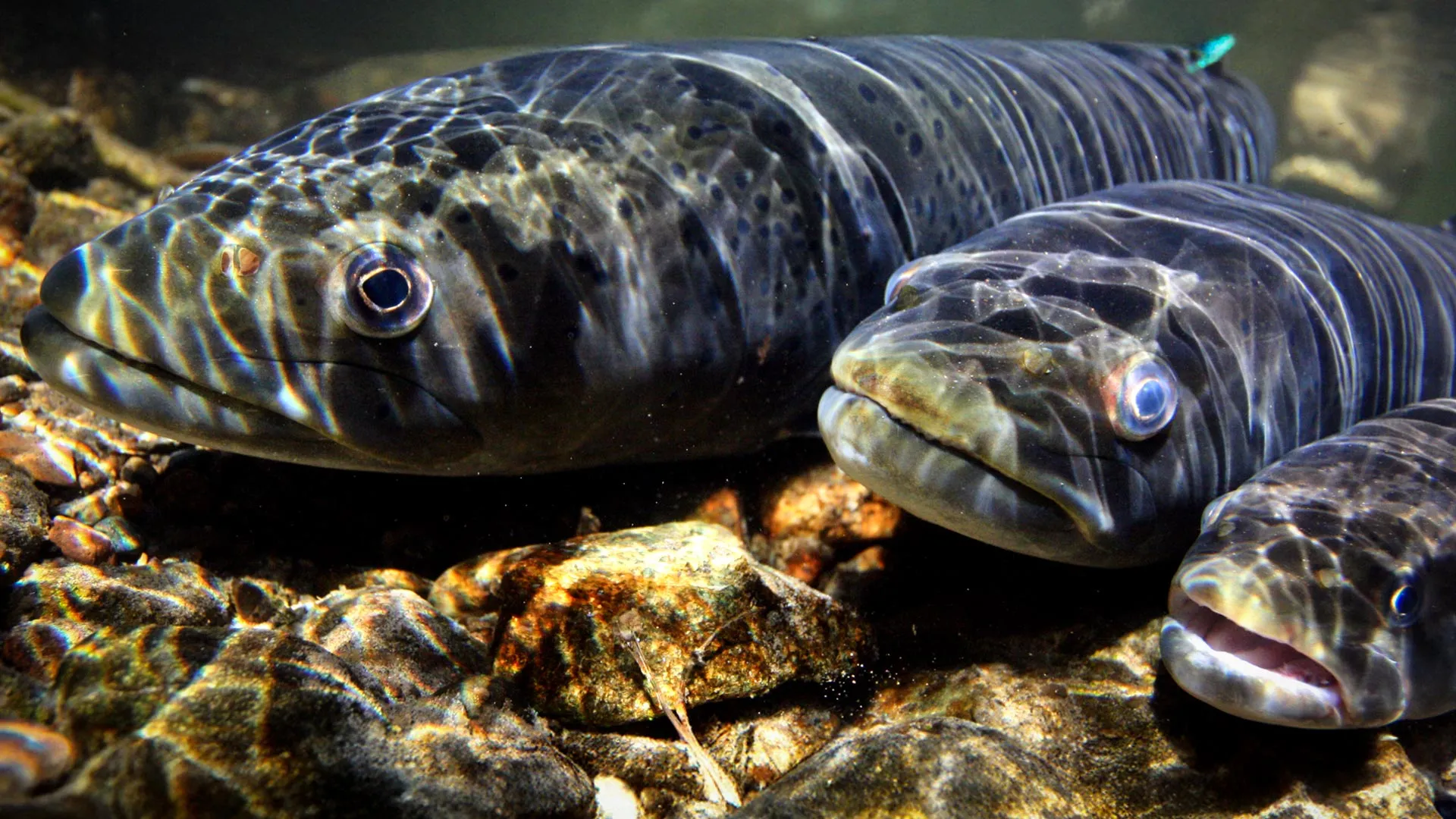
Beneath the seemingly placid surfaces of the world’s great rivers, an invisible crisis is unfolding. Some of Earth’s most vital and extensive animal migrations—those undertaken by freshwater fish—are rapidly breaking down, threatening not only the species themselves but also the health of entire river ecosystems and the livelihoods of hundreds of millions of people. This stark warning comes from a major new report, the "Global Assessment of Migratory Freshwater Fishes," released by the Convention on the Conservation of Migratory Species of Wild Animals (CMS), a United Nations environmental treaty, during its 15th Meeting of the Conference of the Parties (COP15) in Brazil. The assessment paints a grim picture, identifying migratory freshwater fish as among the most imperiled species globally and highlighting a largely overlooked biodiversity crisis that demands immediate and coordinated international action.
The Alarming Scale of Decline
The findings presented at COP15 in late 2023 are unequivocal: migratory freshwater fish populations have plummeted by an estimated 81% worldwide since 1970. This staggering decline outpaces that observed in terrestrial and marine ecosystems, yet it has received comparatively little global attention. Of the 58 migratory fish species currently listed under CMS (which includes both freshwater and saltwater species), a troubling 97% are now threatened with extinction. The report, based on extensive global datasets and IUCN assessments of nearly 15,000 freshwater fish species, represents the most comprehensive overview to date of the conservation challenges confronting these crucial aquatic inhabitants. It underscores that these fish, which rely on long, uninterrupted river pathways to connect spawning grounds, feeding areas, and floodplain nurseries, are facing unprecedented pressures that sever these vital lifelines, often across multiple national borders.
An Overlooked Crisis: Why Migratory Fish Matter
The urgency of this crisis cannot be overstated. Migratory freshwater fish are not merely indicators of environmental health; they are foundational to it. They play critical roles in nutrient cycling, maintaining the balance of food webs, and supporting biodiversity within complex riverine systems. Beyond their ecological significance, these fish are indispensable to human societies. Major inland fisheries across Asia, Africa, and South America depend on these species, providing a primary source of protein and food security for hundreds of millions of people. Their decline directly threatens the food supply and traditional livelihoods of communities, exacerbating poverty and instability in many regions. The economic value of these fisheries is immense, with regional examples like the Amazon Basin’s migratory fish supporting an industry worth an estimated US$436 million annually.
Primary Drivers of Decline: A Multifaceted Threat
The "Global Assessment of Migratory Freshwater Fishes" meticulously details the anthropogenic pressures driving these catastrophic declines. These threats, often interconnected, cumulatively dismantle the intricate life cycles of migratory fish:
- Dam Construction and Habitat Fragmentation: This stands as the single most significant threat. Thousands of new dams are planned or under construction globally, adding to the millions already obstructing rivers. Dams create impenetrable barriers, preventing fish from reaching their spawning grounds or feeding areas, effectively fragmenting their habitats. They also alter natural flow regimes, water temperatures, and sediment transport, fundamentally changing the riverine environment that these species depend on. For instance, the construction of mega-dams in river systems like the Mekong and the Amazon has been directly linked to sharp drops in migratory fish populations.
- Pollution: Rivers worldwide are conduits for a cocktail of pollutants. Agricultural runoff laden with pesticides and fertilizers, industrial discharges containing heavy metals and chemicals, and untreated sewage degrade water quality, directly poisoning fish or impairing their reproductive capabilities. Microplastic pollution, emerging pharmaceuticals, and persistent organic pollutants further contribute to a toxic environment that migratory fish must navigate.
- Overfishing: Driven by growing human populations and increasing demand for protein, unsustainable fishing practices exert immense pressure on fish stocks. This includes illegal, unreported, and unregulated (IUU) fishing, the use of destructive gear, and inadequate management regimes that fail to account for the migratory nature of these species. The lack of coordinated management across national borders often means that fish stocks are exploited at multiple points along their migration routes without a holistic understanding of their population dynamics.
- Climate-Related Ecosystem Changes: The escalating climate crisis introduces additional stressors. Altered rainfall patterns lead to more frequent and intense droughts or floods, disrupting natural river flows and water availability critical for spawning. Rising water temperatures can exceed the physiological tolerance of certain species, affect oxygen levels, and alter the timing of key life cycle events, such as migration cues, which are often temperature-dependent.
A Call for Coordinated International Action
The report explicitly identifies 325 migratory freshwater fish species as candidates for international conservation efforts, beyond the 24 already listed under CMS Appendices I (species requiring strict protection) and II (species needing international cooperation). This signifies a profound expansion of the recognized scope of the crisis. These species, traversing shared river systems, cannot be protected by individual nations acting in isolation. The CMS framework, established in 1979 to conserve terrestrial, aquatic, and avian migratory species throughout their range, provides the crucial platform for such transboundary cooperation.
Key river systems highlighted as priority areas for immediate intervention include South America’s Amazon and La Plata-Paraná, Europe’s Danube, Asia’s Mekong, Africa’s Nile, and the Indian subcontinent’s Ganges-Brahmaputra. Each of these represents a complex web of ecological, social, and political dynamics that necessitates robust multilateral engagement.
Brazil’s Leadership and Amazonian Initiatives
As the host of COP15, Brazil has taken a leading role in proposing ambitious conservation measures, particularly for South America’s vital river systems. The Amazon Basin, renowned for its unparalleled biodiversity, remains one of the last major strongholds for migratory freshwater fish. However, this status is increasingly threatened by expanding infrastructure development, agricultural encroachment, and mining activities.
A case study released alongside the global assessment specifically identified 20 migratory fish species in the Amazon that meet the criteria for potential CMS Appendix II listing. These long-distance migrants, such as the iconic dorado (gilded) catfish ( Brachyplatystoma rousseauxii), are central to regional fisheries. The dorado catfish undertakes the longest known freshwater migration of any fish, a staggering 11,000-kilometer journey from Andean headwaters to coastal nursery areas over its lifespan. Such incredible feats of nature underscore the necessity of maintaining connected river systems.
To bolster conservation, Brazil and other regional partners are proposing a Multi-species Action Plan for Amazonian Migratory Catfish (2026-2036), a testament to the power of regional cooperation. Brazil has also advocated for the addition of the spotted sorubim catfish ( Pseudoplatystoma corruscans) to CMS Appendix II. This initiative highlights the urgent need for coordinated action in the La Plata Basin, where these fish confront severe threats from dams, altered water flows, and intensive fishing pressure. These proposals embody the core principle of CMS: that effective conservation solutions must span the entire geographic range of migratory species and rely fundamentally on cooperation between nations.
Expert Voices and the Path Forward
The scientific community and conservation leaders have uniformly echoed the report’s alarm and call for action. Dr. Zeb Hogan, the lead author of the assessment, emphasized the hidden nature of these critical migrations: "Many of the world’s great wildlife migrations take place underwater. This assessment shows that migratory freshwater fish are in serious trouble, and that protecting them will require countries to work together to keep rivers connected, productive, and full of life."
Amy Fraenkel, CMS Executive Secretary, underlined the historical oversight and future imperative: "This new assessment highlights a major priority for the conservation of migratory species and their habitats, that has not had adequate focus to date. By aligning science, policy and international cooperation, governments can safeguard the world’s remaining great freshwater fish migrations and the communities and ecosystems that depend on them."
Michele Thieme, Vice President and Deputy Lead of Freshwater at the World Wildlife Fund-US, stressed the transboundary nature of the challenge: "Rivers don’t recognize borders – and neither do the fish that depend on them. The crisis unfolding beneath our waterways is far more severe than most people realize, and we are running out of time. Rivers need to be managed as connected systems, with coordination across borders, and investments in basin-wide solutions now before these migrations are lost forever."
The report outlines practical, immediate steps governments can take:
- Restore River Connectivity: Implementing nature-based solutions, such as removing obsolete dams, constructing fish passages, and restoring natural flow regimes.
- Combat Illegal and Unsustainable Fishing: Strengthening fisheries management, enforcing regulations, and promoting sustainable harvesting practices.
- Control Pollution: Implementing stringent environmental regulations for industrial, agricultural, and urban discharges, alongside investment in wastewater treatment.
- Establish and Expand Protected Areas: Designating and effectively managing protected areas that encompass critical habitats and migration routes.
- Invest in Research and Monitoring: Filling knowledge gaps on species distribution, population dynamics, and the impacts of threats to inform conservation strategies.
Broader Implications and the Future of Freshwater Ecosystems
The collapse of migratory freshwater fish populations represents a profound challenge to global biodiversity and sustainable development. It has direct implications for food security, particularly for vulnerable populations reliant on inland fisheries, and threatens the cultural heritage of indigenous communities intertwined with these river systems. Economically, the loss of these fisheries translates into diminished income, increased poverty, and the erosion of local economies. Ecologically, the disappearance of these keystone species can trigger cascading effects, altering entire food webs and compromising the resilience of freshwater ecosystems to other stressors like climate change.
Addressing this crisis requires a paradigm shift in how humanity manages its freshwater resources. Rivers must be viewed as integrated, living systems rather than isolated national waterways or mere conduits for human activity. This demands unprecedented levels of political will, cross-sectoral collaboration, and financial investment in conservation. The initiatives proposed at CMS COP15, particularly those originating from Brazil, offer a beacon of hope and a framework for action. They underscore that while the challenge is immense, the tools for conservation exist, and the collective will to implement them could yet safeguard these remarkable underwater migrations and the life-sustaining rivers they inhabit for future generations. The time for global recognition and decisive action is now, before these vital migrations are lost forever.
