

The scientific consensus is now irrefutable and overwhelmingly clear: the comprehensive restoration of rivers and freshwater wetlands yields profound and wide-ranging benefits across a spectrum of critical areas. These vital ecosystems demonstrably enhance biodiversity, secure and improve water supplies, effectively reduce pollution, mitigate flood risks, sequester significant amounts of carbon, bolster food security, and foster invaluable recreational opportunities. This compelling evidence is synthesized in a groundbreaking new report, commissioned by the World Wide Fund for Nature (WWF), which meticulously compiles data and compelling case studies from over 30 countries spanning six continents. The report not only underscores the indispensable environmental value of rivers and wetlands but also highlights their significant fiscal advantages and outlines practical pathways for their successful restoration.
In response to these findings, leading environmental experts are now issuing an urgent call for a substantial increase in funding dedicated to river and wetland restoration initiatives. They are also imploring governments and corporations worldwide to lend their robust support to the Freshwater Challenge, a pivotal global initiative aimed at accelerating the pace and scale of these essential conservation efforts.
A Comprehensive Report Validates the Power of Restoration
The report, titled "Societal benefits of large-scale river and wetland restoration," serves as a crucial resource for policymakers and business leaders. It meticulously details how investing in the restoration of rivers and wetlands globally can function as a potent, natural solution capable of addressing both climate adaptation and sustainable development. The document elaborates on the cascade of positive impacts that such investments can unleash, providing a strong evidence base for prioritizing these natural infrastructure solutions.
Christine Colvin, Global Policy Lead at WWF, emphasized the transformative potential of restoration investments. "Investment into restoration efforts provide greater access to clean water, more sustainable food systems, and greater climate resilience against natural disasters," Colvin stated. "As water becomes a scarcer resource in the face of increasing demand from agriculture and more erratic supplies in the teeth of the climate crisis, investment in restoration is urgently needed for our future water security."
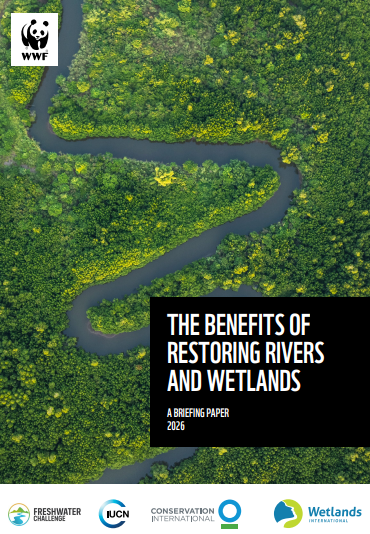
The comprehensive report is further augmented by a joint briefing paper, developed collaboratively by WWF in partnership with Conservation International, the International Union for Conservation of Nature (IUCN), and Wetlands International. This collaborative document delves into the diverse methodologies and approaches that can be employed to achieve effective restoration. Examples cited include the re-establishment of natural water flow regimes, rigorous reduction of nutrient and pollutant runoff from agricultural fertilizers, strategic replanting of native tree species along riparian corridors, and the crucial reconnection of rivers with their natural floodplains, thereby restoring vital ecological processes.
Coenraad Krijger, CEO of Wetlands International, underscored the central role of freshwater ecosystems in addressing global crises. "Restoring degraded rivers, lakes and other freshwater wetlands is central to tackling the greatest challenges of our era: water and food security, nature loss, climate change and sustainable development," Krijger remarked. "This report shows that restoration works and that it benefits societies and economies. It’s time for governments and businesses to prioritise our freshwater life support systems and drastically increase investment to accelerate wetland action."
The Global Freshwater Crisis: A Stark Reality
The urgency for such restoration efforts is underscored by the alarming state of the world’s wetlands. Since 1970, an estimated one-third of the planet’s healthy wetlands have been lost. This catastrophic decline is mirrored by an equally devastating 85% reduction in freshwater wildlife populations, representing the most severe decline of any habitat type globally. These vital ecosystems are under siege from a confluence of anthropogenic pressures, including the over-abstraction of water resources, the fragmentation of river systems by dams and other infrastructure projects, detrimental land-use changes, pervasive pollution, the proliferation of invasive aquatic species, unsustainable harvesting practices, and the escalating impacts of the climate crisis.
This profound degradation has not only precipitated a collapse in freshwater biodiversity but has also generated significant material risks to human well-being, jeopardizing economic development and undermining international water security. The interconnectedness of these issues means that the health of freshwater ecosystems is intrinsically linked to the stability and prosperity of human societies.
Dave Tickner, Chief Advisor for Freshwater at WWF-UK, highlighted the direct human connection to these environments. "Most of the world’s population lives near rivers or wetlands," Tickner stated. "And to benefit people, nature and economies, those rivers and wetlands must be healthy. While we have seen a steady rise in global freshwater restoration, what is needed now is for governments and businesses to accelerate these efforts. The Freshwater Challenge provides a perfect opportunity for this, and this opportunity must be taken."

The Freshwater Challenge: A Global Commitment to Action
To translate the compelling evidence into tangible action, experts are advocating for a significant amplification of investment in river and wetland restoration. This call to action specifically targets governments and corporations to actively support the Freshwater Challenge. This ambitious initiative, currently endorsed by 54 countries, has set a transformative goal: to restore 300,000 kilometers of degraded rivers and 350 million hectares of degraded wetlands by the year 2030. The overarching aim of the Freshwater Challenge is to consolidate, elevate, and accelerate targeted interventions for rivers, lakes, and other inland wetlands, ensuring their integration into national development plans and strategic frameworks.
A Historical Perspective on Degradation and Restoration
The current push for widespread restoration is built upon decades of scientific understanding and growing awareness of the ecological and societal importance of freshwater ecosystems. Historically, rivers and wetlands were often viewed as impediments to development, sources of disease, or simply as areas to be drained and converted for agriculture or urban expansion. This perspective, prevalent for much of the 19th and 20th centuries, led to widespread alteration and degradation of these vital habitats.
However, as scientific research progressed, particularly from the mid-20th century onwards, the intricate ecological functions of wetlands – such as water filtration, flood control, and nutrient cycling – became increasingly recognized. The Ramsar Convention on Wetlands, established in 1971, marked a significant international turning point, signifying a growing global commitment to the conservation and wise use of wetlands. Despite this growing awareness, the rate of degradation often outpaced conservation efforts.
The last few decades have witnessed a significant shift in understanding, with restoration ecology emerging as a critical field. Initial restoration efforts were often localized and experimental, focusing on specific sites or species. However, the findings of the WWF-commissioned report signify a maturation of the field, demonstrating the feasibility and profound benefits of large-scale, integrated restoration projects. The report’s extensive geographical reach and the breadth of benefits it quantifies suggest a move from isolated successes to a global imperative.
Data Illuminating the Benefits of Restoration
The evidence presented in the report is supported by a wealth of data illustrating the tangible returns on investment in freshwater ecosystem restoration. For instance, studies cited within the report demonstrate that investing in wetland restoration can yield economic benefits far exceeding the initial costs. These benefits manifest in various forms:
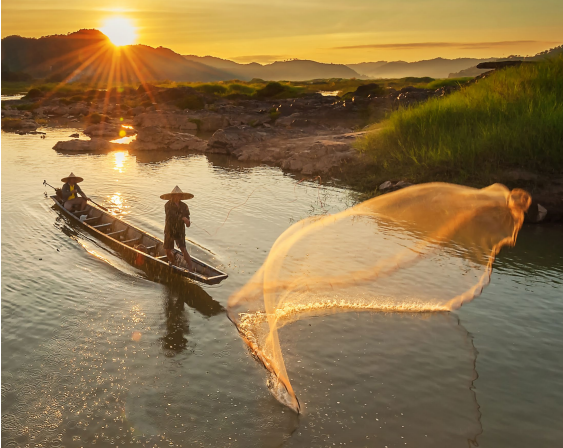
- Water Security: Restored wetlands act as natural sponges, regulating water flow, recharging groundwater aquifers, and improving water quality. This leads to more reliable and cleaner water supplies, reducing the need for expensive artificial water treatment and infrastructure. A World Bank study, for example, found that investing in watershed management and wetland restoration in Southeast Asia could yield returns of $7 for every $1 invested through improved water supply and flood control.
- Flood Risk Reduction: Healthy floodplains and wetlands act as natural buffers against extreme weather events. They absorb excess water during heavy rainfall, reducing flood intensity downstream and protecting communities and infrastructure. The economic cost of flood damage globally is in the tens of billions of dollars annually, a figure that could be significantly reduced through effective wetland restoration.
- Pollution Mitigation: Wetlands are highly effective natural filters, removing pollutants such as excess nutrients (nitrogen and phosphorus from agricultural runoff) and sediment from water bodies. This reduces the incidence of eutrophication and harmful algal blooms in lakes and coastal areas, protecting aquatic life and human health. The cost of treating nutrient pollution artificially can be substantial, making natural filtration a highly cost-effective solution.
- Carbon Sequestration: Wetlands, particularly peatlands, are among the most effective carbon sinks on the planet, storing vast amounts of carbon in their soils. Restoring degraded wetlands can resume or enhance this carbon sequestration capacity, playing a crucial role in climate change mitigation. Globally, peatlands store twice as much carbon as all the world’s forests combined.
- Biodiversity Enhancement: The restoration of rivers and wetlands directly benefits a vast array of species that depend on these habitats. This includes fish, amphibians, reptiles, birds, and insects. Increased biodiversity not only contributes to ecosystem resilience but also supports ecotourism and other nature-based economic activities. The decline in freshwater biodiversity has been linked to ecosystem instability, impacting services that humans rely upon.
Broader Implications and Future Outlook
The implications of this comprehensive report and the subsequent call for accelerated action are far-reaching. It signifies a paradigm shift in how we perceive and value freshwater ecosystems, moving them from the periphery of conservation efforts to the forefront of sustainable development strategies.
The success of the Freshwater Challenge hinges on sustained political will, innovative financing mechanisms, and robust collaboration between governments, the private sector, and civil society. The report provides the scientific and economic justification needed to advocate for these increased investments. The next decade, leading up to 2030, will be critical in determining the trajectory of freshwater ecosystem health and, by extension, the well-being of millions of people worldwide.
Failure to act decisively could lead to further ecological collapse, exacerbating existing challenges related to water scarcity, food insecurity, and climate vulnerability. Conversely, embracing the principles and actions outlined in the report offers a tangible pathway towards a more resilient, sustainable, and equitable future, where healthy rivers and wetlands serve as the lifeblood of both nature and human societies. The report’s comprehensive approach, highlighting interconnected benefits, provides a powerful argument for integrating freshwater restoration into broader climate action and sustainable development agendas. This holistic perspective is crucial for unlocking the full potential of these vital ecosystems.
