
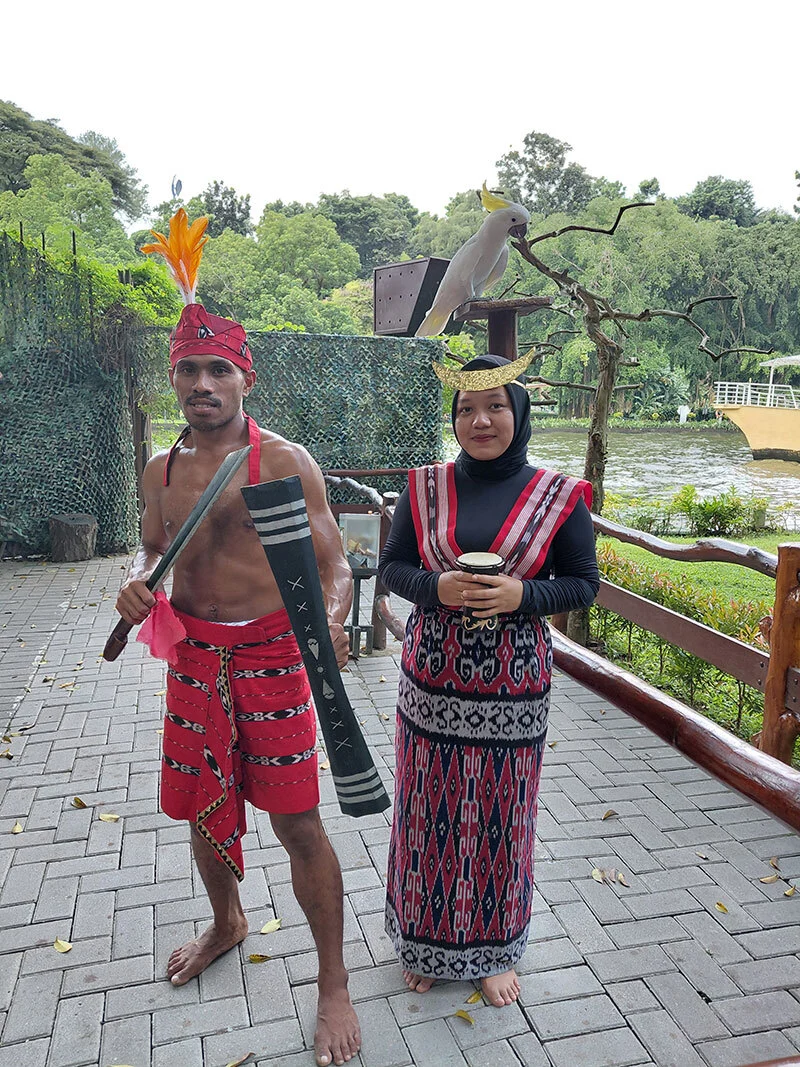
The salmon-crested cockatoo, scientifically known as Cacatua moluccensis and locally revered as lakam, is a breathtaking avian species endemic to the lush island of Seram, the largest and most significant island in the Maluku province of eastern Indonesia. Renowned for their soulful, dark eyes and spectacular, peachy-pink crest feathers that unfurl with regal splendor, these magnificent birds are also celebrated for their powerful vocalizations, capable of reaching an astonishing 135 decibels, placing them among the loudest members of the parrot family. This remarkable species, however, faces an increasingly precarious future, grappling with severe endangerment and a complex interplay between conservation efforts and deeply rooted cultural traditions.
A Steep Decline: The Plight of the Moluccan Cockatoo
The conservation status of the Moluccan cockatoo is dire. It has been listed on Appendix I of the Convention on International Trade in Endangered Species of Wild Fauna and Flora (CITES) since 1989, a designation that unequivocally prohibits all international trade in wild-caught specimens. This critical listing underscores the severe threat posed by illegal trafficking and unsustainable exploitation. Compounding this, the International Union for Conservation of Nature (IUCN) Red List classifies the species as endangered, a stark indicator of its dwindling wild populations. Historically, the distribution of the Moluccan cockatoo extended to several satellite islands surrounding Seram, including Haruku, Saparua, and Nusa Laut. Tragically, these populations have been declared extinct, a devastating testament to the species’ vulnerability.
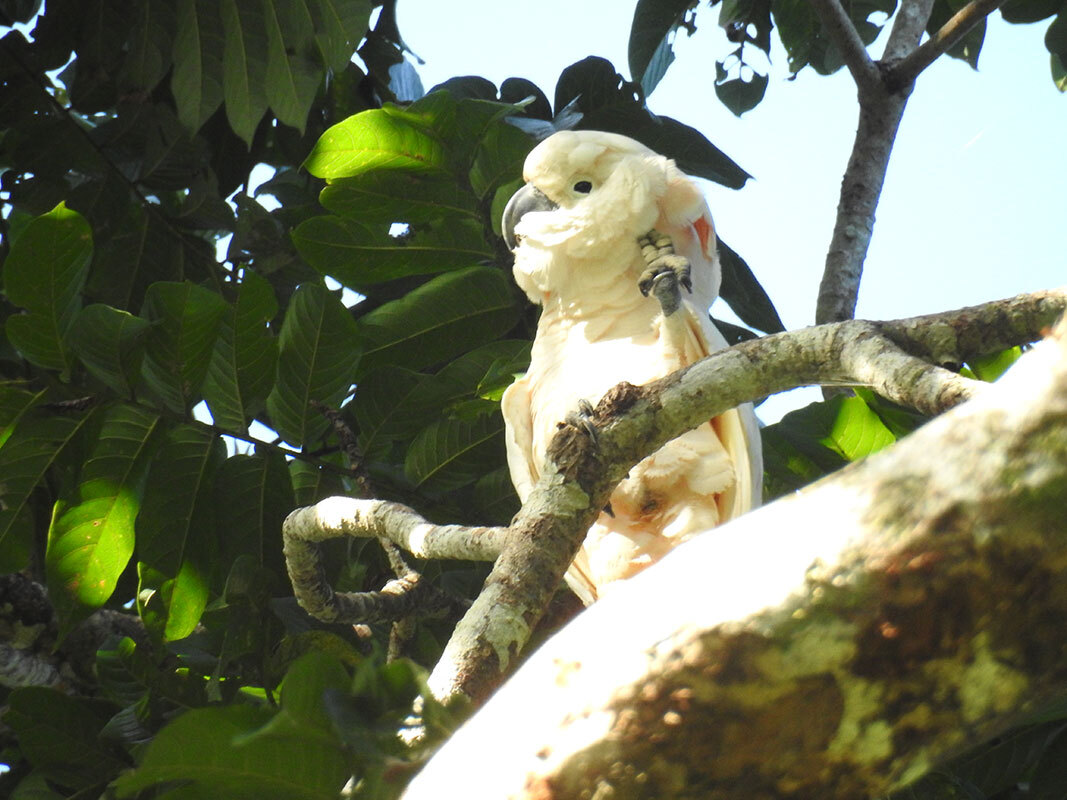
The primary drivers behind this dramatic decline are multifaceted, with illegal trapping for the pet trade and pervasive habitat loss being the most significant culprits. The demand for exotic birds, coupled with the destruction of their natural forest ecosystems through logging and agricultural expansion, has pushed the Moluccan cockatoo to the precipice. According to estimates from conservation organizations, wild populations may have plummeted by as much as 90% in recent decades, although precise, up-to-date figures are challenging to ascertain due to the remoteness of their habitat and the clandestine nature of illegal trapping activities.
Longevity in the Wild and Captivity: A Paradoxical Existence
Moluccan cockatoos possess an impressive capacity for longevity. A notable study conducted in 2012, which examined lifespan data across parrot species, identified a salmon-crested cockatoo as the oldest known parrot, reaching an astonishing age of 92 years. This remarkable lifespan, however, presents a poignant paradox when considering their challenges in captivity. As highly intelligent and socially complex creatures, Moluccan cockatoos require substantial environmental enrichment, ample space, and a meticulously balanced, nutritious diet to thrive. Their inherent loudness, while a natural characteristic, can also pose significant challenges for owners in domestic settings. This inherent need for specialized care amplifies the urgency to ensure their survival and flourishing within their native Indonesian habitat, rather than relying solely on captive breeding programs. The inherent difficulties in providing adequate care in captivity further underscore the critical importance of protecting wild populations.
A Sacred Bond: The Huaulu Tribe and the Cidaku Ritual
In the remote regions of North Seram, within the Maluku province, the Moluccan cockatoo holds a profound cultural and spiritual significance for the indigenous Huaulu tribe. Locally known as lakam, the bird is deeply interwoven into their traditions and identity. A central tenet of Huaulu male coming-of-age rituals is the Cidaku ceremony, a rite of passage for young men between the ages of 12 and 17. This ancient tradition mandates the hunting of Moluccan cockatoos to procure their coveted salmon-colored crest feathers. These feathers are not merely decorative; they are integral components of a ceremonial headdress known as a puheliam, essential for the ritual.

The procurement and use of these feathers are steeped in tradition and symbolic meaning. The Cidaku ceremony is conducted with meticulous precision, following the birth order of the young men within a family, and a family cannot perform the ritual more than once in a single year. The pink crest feather is irreplaceable, holding deep symbolic weight. It is said to represent the existence of a sacred life, embodying the strength, courage, and alert posture of the cockatoo when its crest is erect. Furthermore, the crest symbolizes an adult male’s defense of his holiness, self-respect, and vigilance against threats. This deep-seated cultural reliance on the Moluccan cockatoo’s feathers presents a significant conservation challenge, requiring a delicate balance between respecting indigenous heritage and ensuring the species’ survival.
A Landmark Agreement: Feather Collection from Captive Sources
Recognizing the critical need to protect wild Moluccan cockatoos while respecting the cultural imperatives of the Huaulu tribe, a groundbreaking initiative was launched in 2019. Perkumpulan Konservasi Kakatua Indonesia (KKI), a dedicated Indonesian non-governmental organization focused on cockatoo conservation, proposed a revolutionary solution: providing molted feathers from Moluccan cockatoos housed at its Rehabilitation Center. This proposal was met with significant collaboration and agreement from the Huaulu indigenous community and other key stakeholders.
On October 28, 2019, a formal agreement was signed by the Head of Huaulu village, with the endorsement of several local officials and, crucially, the acknowledgment and approval of the Indonesian Ministry of Forestry. This agreement marked a monumental stride forward in the conservation efforts for wild Moluccan cockatoos. By offering a sustainable and ethical source of feathers for the Cidaku ritual, the agreement aimed to mitigate the pressure on wild populations, thereby contributing to their recovery. The timeline of this initiative highlights a concerted effort to bridge the gap between cultural practices and ecological preservation.

Ongoing Challenges and Future Directions
Despite the historic feather collection agreement, the path to full conservation success remains complex. Monitoring the traditional Cidaku ceremonies to ensure strict adherence to the agreement and prevent the continued use of feathers from wild cockatoos is a persistent challenge. Not all parties involved fully support the feather collection program, and the deep-seated nature of traditional practices means that complete eradication of demand for wild feathers is a long-term endeavor.
KKI remains steadfast in its commitment to honoring the agreement, diligently providing crest feathers from its rehabilitation facility. The organization also maintains intensive and ongoing communication with the Huaulu tribe, fostering a collaborative relationship. This includes conducting workshops and educational sessions with community members, which have consistently seen strong attendance and engagement. These efforts are crucial for building trust and ensuring the long-term success of the conservation strategy.
Looking ahead, KKI harbors ambitious plans to expand its conservation programs, emphasizing the active participation of the Huaulu community. A key objective is the formation of a "Parrot Squad," a community-based parrot patrol dedicated to monitoring and protecting wild cockatoos in their natural habitat. Furthermore, KKI is actively collaborating with the tribe to explore and develop alternative income-generating opportunities. Initiatives such as ecotourism, which highlight the unique natural and cultural heritage of the region, are being explored. The aim is to empower the community by demonstrating the tangible economic benefits of preserving their native Moluccan cockatoo populations and enhancing their conservation status. By fostering a deeper understanding of the intrinsic value and economic potential of a thriving wild cockatoo population, KKI hopes to cultivate a sustainable model for conservation that benefits both the birds and the local communities.

The ongoing efforts to conserve the Moluccan cockatoo exemplify a modern approach to conservation, one that recognizes the inextricable link between cultural heritage, community engagement, and ecological preservation. The success of these initiatives hinges on continued collaboration, adaptive strategies, and a shared commitment to safeguarding this majestic species for generations to come. In recognition of these vital efforts, this month’s Lafeber donation is dedicated to supporting KKI’s ongoing conservation endeavors for the magnificent salmon-crested cockatoo.
