
Wetlands International has announced a significant new strategic partnership with SHOAL, a global collective dedicated to the conservation of freshwater ecosystems and their critically endangered species. This collaboration aims to amplify conservation efforts, address the escalating biodiversity crisis in freshwater environments, and champion policy changes for the protection and restoration of these vital habitats. The announcement, made on March 17, 2026, underscores a shared commitment to co-creating solutions and leveraging collective action to protect the planet’s most threatened aquatic life.
A Shared Vision for Freshwater Conservation
At the core of Wetlands International’s philosophy lies the conviction that safeguarding the world’s wetlands necessitates robust partnerships. This belief extends from grassroots initiatives with local communities and Indigenous Peoples to high-level global collaborations focused on raising awareness, influencing policy, and accelerating tangible action for wetlands, people, nature, and climate. The alliance with SHOAL, described as a global ecosystem of partners and collaborators, aligns perfectly with this ethos. SHOAL’s mission to protect the health of Earth’s freshwater habitats and conserve its most threatened freshwater species resonates deeply with Wetlands International’s long-standing commitment to these critical environments.
Coenraad Krijger, CEO of Wetlands International, expressed his enthusiasm for the new alliance: "We are proud to partner with SHOAL to accelerate global efforts to protect and restore freshwater ecosystems and the astonishing biodiversity within them. We’ve already joined forces on publications such as Africa’s Forgotten Fishes and are looking forward to ramping up our collaboration to deliver greater impact together." This sentiment highlights the existing synergy between the two organizations and the ambition to scale up their joint endeavors.
The Freshwater Biodiversity Crisis: An Urgent Call to Action
Freshwater ecosystems, despite covering less than 1% of the Earth’s surface, are home to an extraordinary proportion of the planet’s biodiversity. However, these vibrant environments are facing unprecedented threats, often referred to as the "silent crisis." Decades of neglect, coupled with escalating pressures from pollution, habitat destruction, over-extraction of water, invasive species, and the impacts of climate change, have pushed freshwater biodiversity to the brink.
According to a landmark 2022 report by the World Wildlife Fund (WWF) and the Zoological Society of London (ZSL), freshwater species populations have declined by an average of 83% since 1970 – a rate far exceeding that of terrestrial and marine ecosystems. Fish and amphibian species, in particular, are among the most threatened vertebrate groups globally, with thousands facing imminent extinction. This alarming trend has profound implications not only for the natural world but also for human societies that depend on healthy freshwater systems for water security, food, and livelihoods.
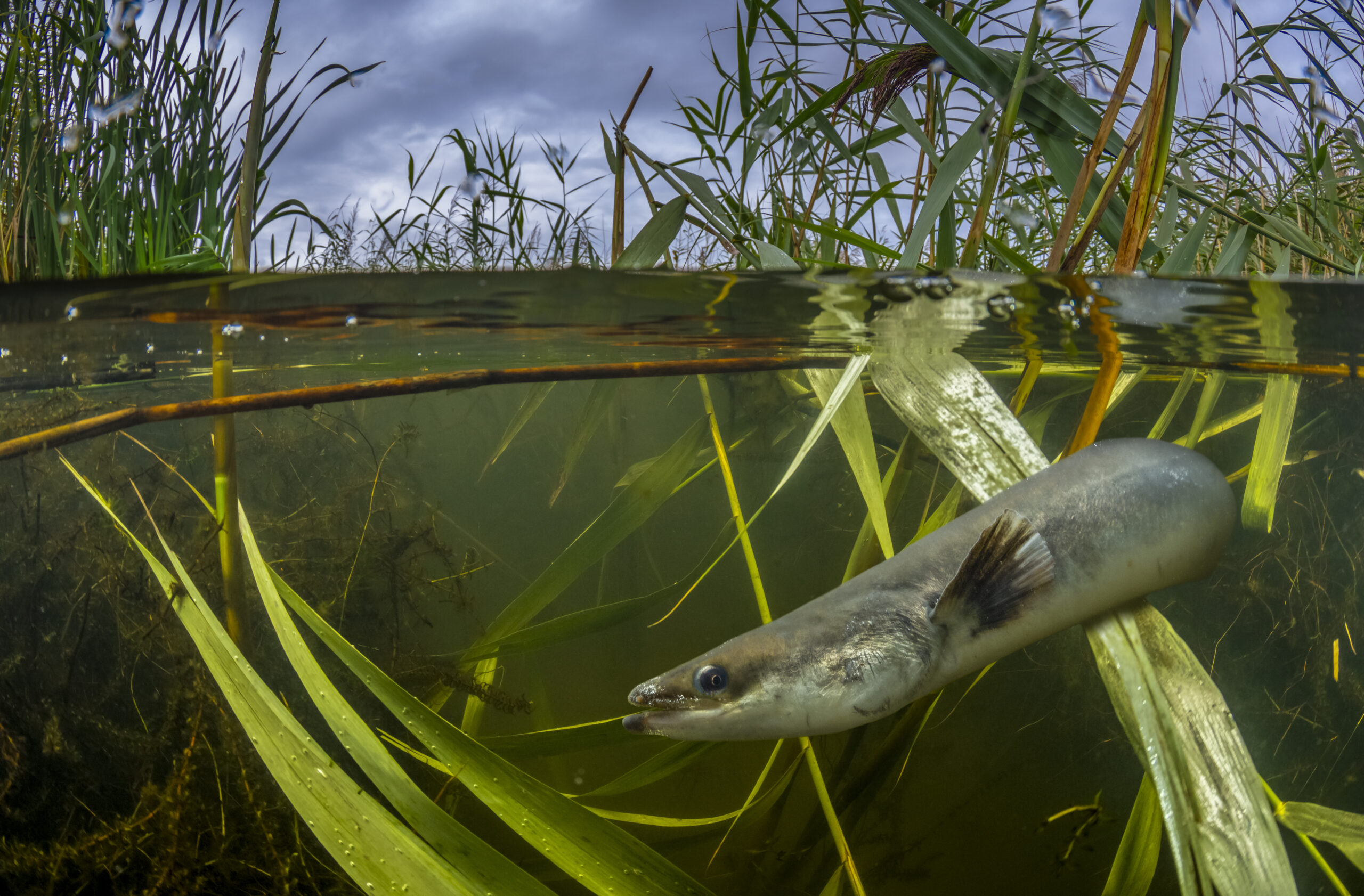
The critical state of freshwater biodiversity necessitates ambitious and collaborative conservation strategies. It is through such concerted efforts that there is hope to reverse the decline and bring these species back from the precipice. The conservation of these highly threatened species is not merely an environmental imperative; it is also a pathway to improving water quality, enhancing human health, and catalyzing a cascade of ecosystem services that benefit the wider environment. Furthermore, these efforts are crucial for bolstering food security, particularly for the millions of people worldwide who rely on freshwater fish as their primary source of protein.
SHOAL’s Collaborative Model and Strategic Partnership
SHOAL operates on a model designed to mobilize, coordinate, and catalyze partners, thereby escalating and accelerating action for freshwater species, habitats, and the communities that depend on them. The organization facilitates collaboration by bringing together diverse stakeholders, fostering knowledge sharing, and driving coordinated conservation initiatives. Under the strategic partnership with Wetlands International, specific areas of collaboration have been identified to maximize impact.
While the original announcement did not detail the specific categories of SHOAL partners or the granular details of the strategic partnership, it is understood that SHOAL engages with a range of entities, including research institutions, conservation organizations, governments, and private sector actors. This multi-stakeholder approach is vital for tackling the complex and multifaceted challenges facing freshwater ecosystems.
Wetlands International’s contribution to this partnership is significant, bringing its extensive global network and decades of experience in protecting and restoring freshwater ecosystems. The organization’s ongoing freshwater work spans a diverse range of interventions. These include initiatives such as dam and barrier removals in Europe, which aim to restore natural river flows and migratory fish pathways; robust water governance programs in Ethiopia, focused on sustainable water resource management; and the development of alternative sustainable livelihoods in Latin America, empowering local communities to reduce their impact on sensitive aquatic environments.
Expanding the Scope: Rivers, Lakes, Peatlands, and Migratory Fish
Under its new 10-year strategy, Wetlands International is committed to scaling up its work on rivers, lakes, and peatlands. This strategic pivot involves moving from site-specific actions to landscape-level approaches, influencing global policy dialogues, and continuing its support for major global initiatives. Two such initiatives are the Freshwater Challenge, which aims to restore 300 million hectares of degraded freshwater ecosystems by 2030, and the Peatland Breakthrough, focused on peatland restoration and conservation.
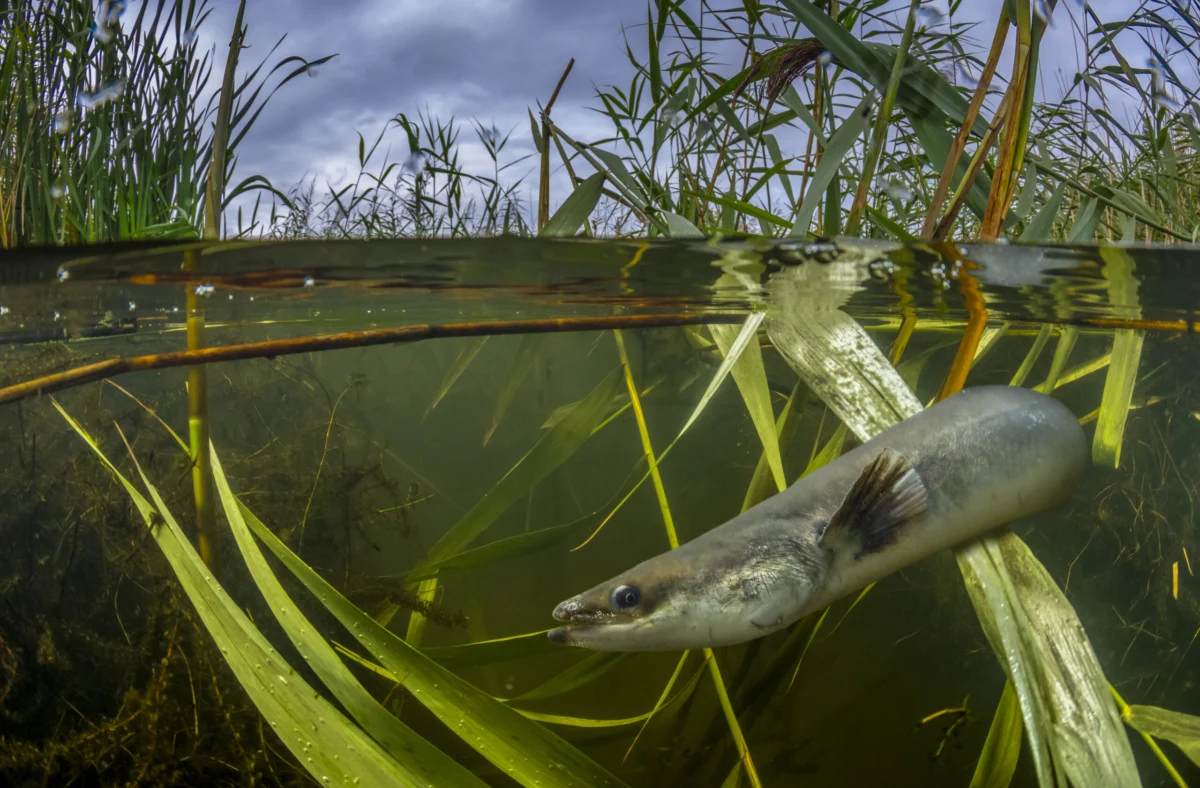
A key development in Wetlands International’s strategic direction is the increased focus on migratory freshwater fish and their "Swimways" – the interconnected network of rivers, lakes, and wetlands that these species navigate throughout their life cycles. This focus marks a significant expansion of the organization’s freshwater portfolio.

Coenraad Krijger reiterated this strategic shift and its importance: "Under our new strategy, Wetlands International will focus strategically on migratory freshwater fish and their Swimways for the first time. Our new partnership with SHOAL is a key step towards delivering on this priority. Together, we can do far more to save threatened freshwater species and safeguard their freshwater wetlands – wetlands that underpin societies and economies."
The emphasis on migratory fish is particularly crucial. These species often undertake long and complex journeys, connecting diverse habitats and ecosystems. Threats to any part of their migratory route can have devastating consequences for entire populations. By focusing on Swimways, Wetlands International and SHOAL aim to protect not just individual species but the ecological corridors and interconnected systems they rely on. This holistic approach is essential for ensuring the long-term viability of freshwater ecosystems.
Broader Implications and Future Outlook
The strategic partnership between Wetlands International and SHOAL signifies a powerful alignment of forces in the global fight to save freshwater biodiversity. The combined expertise, networks, and resources of these two organizations are poised to drive more impactful conservation outcomes.
The implications of this partnership are far-reaching. By advocating for stronger policies, supporting on-the-ground conservation projects, and raising public awareness, the collaboration can contribute to:
- Enhanced Species Protection: Direct interventions aimed at protecting critically endangered freshwater species from immediate threats, such as habitat loss and overfishing.
- Ecosystem Restoration: Accelerated efforts to restore degraded rivers, lakes, and wetlands, thereby improving water quality and ecological health.
- Improved Water Security: Healthy freshwater ecosystems are fundamental to reliable water supplies for human consumption, agriculture, and industry.
- Strengthened Food Security: Conserving freshwater fish populations is vital for communities that depend on them for sustenance and income.
- Climate Change Resilience: Wetlands play a crucial role in regulating water cycles and mitigating the impacts of climate change, such as floods and droughts.
The partnership’s commitment to a collaborative approach, encapsulated in SHOAL’s philosophy that "the bigger and broader the SHOAL, the stronger it becomes, and the greater our shared impact will be," suggests a proactive and inclusive strategy. By uniting a diverse range of stakeholders, the initiative aims to create a synergistic effect, amplifying the impact of individual conservation efforts.
As the world grapples with the interconnected crises of biodiversity loss and climate change, strategic alliances like this one between Wetlands International and SHOAL offer a beacon of hope. Their joint efforts to protect and restore the planet’s vital freshwater ecosystems are essential for securing a sustainable future for both nature and humanity. The coming years will likely see a concerted push from this partnership to translate their shared vision into tangible victories for the world’s most vulnerable aquatic life.
