
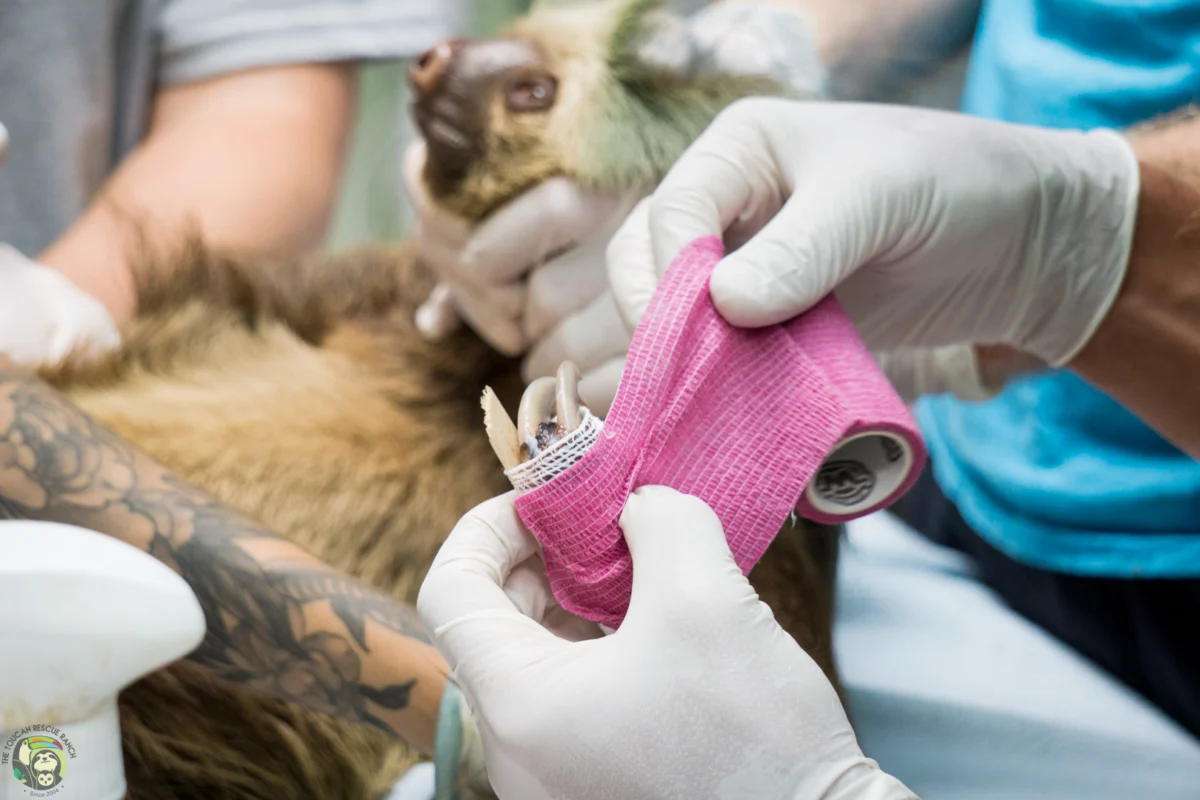
The preservation of Central America’s rich biodiversity relies heavily on the tireless efforts of rescue centers that bridge the gap between human encroachment and wildlife survival. The Toucan Rescue Ranch (TRR), a prominent wildlife rescue, rehabilitation, and release facility based in Costa Rica, has issued a comprehensive call for support to bolster its mission of protecting some of the region’s most iconic and vulnerable species. From orphaned sloths and injured toucans to a wide array of mammals and birds, the organization’s ability to provide high-level veterinary care and successful rewilding programs is increasingly dependent on a global network of donors and specialized supply chains. As the organization navigates the logistical complexities of operating in a tropical environment with unique infrastructure challenges, it has streamlined its donation processes to ensure that critical supplies reach the animals in need with maximum efficiency and minimal delay.
The Critical Role of Wildlife Rehabilitation in Costa Rica
Costa Rica is home to nearly 5% of the world’s known biodiversity, a staggering statistic given its relatively small landmass. However, this biological wealth faces constant threats from habitat fragmentation, illegal pet trade, electrocutions on uninsulated power lines, and domestic animal attacks. Facilities like the Toucan Rescue Ranch serve as the primary line of defense for injured and orphaned wildlife. Founded in 2004, TRR has evolved from a small rescue center for birds into a world-class facility capable of handling complex medical cases and long-term rehabilitation for various species, including the two-toed and three-toed sloth, spider monkeys, and various raptors.
The operational costs of such a facility are substantial. Beyond the need for specialized veterinary expertise, the daily maintenance of hundreds of animals requires a steady influx of medical supplies, nutritional supplements, and enclosure maintenance materials. Because many of these items are highly specialized or unavailable within the local Costa Rican market, the organization relies heavily on international donations. The impact of these contributions is direct: a single donation of specialized milk replacer can be the difference between life and death for an orphaned sloth pup, while high-quality surgical tools enable the veterinary team to perform life-saving procedures on toucans with beak deformities or fractured wings.
Navigating Logistical Hurdles: Getting Supplies to the Jungle
One of the primary challenges facing non-governmental organizations (NGOs) in Costa Rica is the unreliability of the traditional international postal system. While the country boasts a stable government and a growing economy, its internal mail distribution can be plagued by significant delays, high customs duties, and occasionally, lost packages. To circumvent these obstacles, the Toucan Rescue Ranch has developed a multi-tiered strategy for resource acquisition that prioritizes speed and reliability.
The organization’s most recommended method for supporters to contribute is through the "Checked Luggage" initiative. For individuals planning to visit Costa Rica as interns, volunteers, or tourists staying at the TRR guesthouse, bringing supplies in personal luggage is the most effective way to ensure items arrive safely and immediately. This "mule" system bypasses the complexities of international shipping and ensures that 100% of the donor’s investment reaches the facility without being eroded by shipping fees or import taxes.
For those unable to travel to Costa Rica, the organization has established a logistical hub in the United States. A member of the TRR Board of Directors, based in Knoxville, Tennessee, manages a warehouse dedicated to storing donated items. This U.S.-based location serves as a collection point for domestic shipments, which are then coordinated with travelers or specialized transport services heading to San José. While this method is subject to logistical timing, it provides a crucial bridge for donors who prefer utilizing domestic shipping rates within the United States.
Direct International Shipping and Digital Philanthropy
When direct shipping from abroad is the only option, TRR strongly advises the use of premium carriers like DHL. Unlike standard postal services, DHL offers robust tracking and a more reliable customs clearance process within Costa Rica. Although this method is often more expensive for the donor, the organization emphasizes that it is the only way to guarantee that sensitive medical equipment or high-priority supplies are not lost in transit.
To simplify the selection of items, the Toucan Rescue Ranch utilizes digital platforms such as Amazon and Cuddly. These wish lists are meticulously curated by the TRR veterinary and animal care teams to reflect real-time needs. The "Cuddly" platform, in particular, is designed specifically for animal rescues, allowing donors to see exactly how their contributions will be used, whether it is for "sloth blankets" or specialized nutritional formulas. These digital tools have revolutionized wildlife philanthropy, allowing a donor in Europe or North America to provide immediate support to a clinic in the Costa Rican rainforest with a few clicks.
A Tiered Approach to Resource Allocation
The needs of a wildlife rescue center are diverse, ranging from high-tech medical devices to basic cleaning supplies. To help donors maximize their impact, TRR categorizes its needs into three priority levels:
- High-Priority Items: These typically include critical veterinary supplies such as antiseptic solutions, specialized bandages, surgical instruments, and neonatal care items. For the "Release Site," where animals are prepared for their return to the wild, high-priority items might include GPS tracking collars used to monitor the success of rewilded individuals.
- Medium-Priority Items: These items often focus on the daily enrichment and husbandry of the animals. This includes specialized feeding bowls, climbing structures for primates and sloths, and maintenance tools for the enclosures. These supplies ensure that animals in rehabilitation remain physically and mentally stimulated, which is vital for their eventual release.
- Lower-Priority Items: While still essential, these items are often easier to source locally or are used in administrative and educational capacities. This includes office supplies, educational materials for visitor outreach, and general facility maintenance tools.
By providing this clarity, the organization ensures that its most urgent medical and nutritional gaps are filled first, directly correlating donor activity with animal survival rates.
The Economic and Legal Framework of International Giving
For many donors, the legal and tax implications of their contributions are a significant consideration. The Toucan Rescue Ranch maintains a dual legal status that facilitates international support. In the United States, it is a registered 501(c)(3) nonprofit organization (EIN: 80-0516453), making donations tax-deductible for U.S. citizens. This status is a hallmark of transparency and accountability, requiring the organization to adhere to strict financial reporting standards.
Simultaneously, the organization is a registered Costa Rican foundation (#300667701803), ensuring its operations are fully integrated with local laws and environmental regulations. This dual-registration allows TRR to work closely with the Costa Rican Ministry of Environment and Energy (MINAE), the government body responsible for wildlife. Every animal that enters the facility is technically the property of the state, and TRR acts as its official guardian, providing care that the government often lacks the resources to provide on its own.
Broader Implications for Global Conservation
The efforts of the Toucan Rescue Ranch extend beyond the individual animals in their care. By maintaining a high-functioning rescue and rehabilitation center, the organization contributes to broader ecological health. For instance, toucans and other frugivorous birds play a critical role in seed dispersal, which is essential for forest regeneration. Sloths, while slower-moving, are integral parts of the canopy ecosystem.
Furthermore, TRR serves as an educational hub, teaching both locals and international visitors about the importance of coexistence with wildlife. The data collected during the rehabilitation and post-release monitoring phases provides valuable insights into wildlife health and the impact of human activity on native species. This information is often shared with the global scientific community, contributing to a better understanding of tropical medicine and conservation biology.
The transition from rescue to release is a complex journey that requires a symphony of resources, expertise, and international cooperation. As the Toucan Rescue Ranch continues to expand its reach and refine its rehabilitation techniques, the support of the international community remains its most vital asset. Through strategic donations of supplies and the navigation of complex shipping routes, supporters are not merely sending packages; they are providing the tangible tools necessary to preserve the vibrant natural heritage of Costa Rica for future generations.
In an era of rapid environmental change, the model provided by TRR—combining high-level veterinary science with community-driven logistics and digital philanthropy—offers a blueprint for wildlife conservation in the 21st century. The success of the "TRR family" is a testament to the idea that geographical boundaries are no barrier to the collective responsibility of protecting the planet’s most vulnerable inhabitants. Through every bandage, bottle of formula, and GPS collar, the global community plays a direct role in the survival of the wild.
