
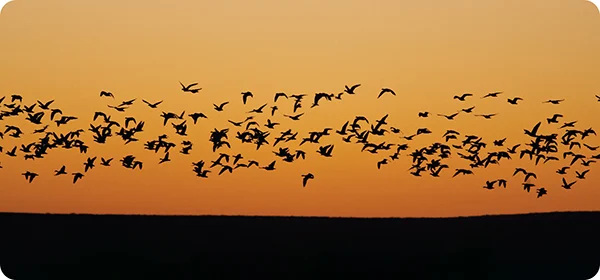
September signifies a period of profound transition across multiple facets of nature and human activity, a sentiment particularly resonant for the avian world. As the intense heat of summer recedes, giving way to the crisp, cool air of autumn, the natural landscape undergoes a dramatic metamorphosis. Family vacations conclude, the roar of baseball stadiums fades to be replaced by the strategic plays of football, and for countless households, the rhythm of life recalibrates to the demands of the academic year and its myriad extracurricular pursuits. Simultaneously, the flora of the season shifts its focus; flowers, having completed their vibrant display, begin the process of transforming into seeds and berries, while the verdant canopies of trees, still cloaked in their summer green at the month’s inception, are poised to erupt in a brief yet breathtaking spectacle of autumnal hues.
This pervasive environmental shift is mirrored with equal intensity within the lives of birds. For the majority, the demanding responsibilities of raising young are now a distant memory. The diminishing daylight hours trigger an innate restlessness, an internal stirring that heralds the impending long-distance journeys to warmer wintering grounds. Concurrently, many avian species are engaged in the arduous process of molting, shedding worn and weathered feathers to be replaced by a fresh, robust set of plumage. These new feathers are not merely cosmetic; they are vital for efficient flight, enabling birds to navigate vast distances, and critically, they provide enhanced insulation, ensuring the bird’s ability to maintain its body temperature and remain dry in fluctuating weather conditions.
These multifaceted transitions invariably bring about significant changes, and for birds, these changes can indeed be arduous. The process of molting, for instance, is an energetically demanding undertaking. Growing an entirely new set of feathers, a process that can span anywhere from four to eight weeks, requires an extraordinary surge in protein intake. Protein is the fundamental building block of feathers, and the physiological demands placed on a bird during this period are immense. Alongside this increased protein requirement, the bird’s body must also generate sufficient energy to fuel this entire biological reconstruction.
Migration presents an equally formidable challenge. Consider the biological imperative to nearly double one’s body weight in a matter of mere weeks. This is not an exaggeration; many species achieve precisely this feat by consuming prodigious amounts of food, meticulously accumulating extra body fat. This stored fat serves as the essential fuel for the sustained exertion of long-distance flight, a drive that becomes all-consuming during the pre-migratory period. The physiological need to pack on sufficient fat reserves to power hours of non-stop migration overrides almost all other biological priorities.
The implications of nutritional deficiencies during these critical periods of molting and migration are severe. There is exceptionally little room for error when it comes to obtaining the correct balance of fats and proteins necessary for these life-sustaining processes. Failure to acquire adequate nutrition can have dire consequences, including diminished flight capability, increased susceptibility to disease, and in extreme cases, mortality. Consequently, for birds, the act of devouring foods rich in fats and proteins becomes an absolute, non-negotiable priority during this seasonal transition.
This heightened nutritional demand presents a distinct opportunity for human interaction and support within backyard ecosystems. Providing appropriate sustenance at bird feeders offers a dual benefit: it aids the birds in their survival and reproductive success, and it enriches the human observer’s experience by fostering a deeper connection with the natural world. By offering foods that align with the birds’ intrinsic needs—those high in fats and proteins—individuals can become active participants in supporting local avian populations through these challenging times.
Strategic Feeding for Migratory and Molting Birds
The types of food offered can significantly impact a bird’s ability to navigate the challenges of September. High-energy foods are paramount. For instance, black oil sunflower seeds are a perennial favorite for a wide array of species due to their high fat content. However, specialized blends and offerings can be even more beneficial. Wild Birds Unlimited (WBU) Plus Blends are specifically formulated to cater to the increased nutritional needs of birds during these transitional periods. These blends often incorporate a mix of high-fat seeds, nuts, and sometimes even dried fruits, providing a comprehensive nutritional package.

Peanuts, both shelled and in-shell, are another excellent source of protein and fat, highly favored by species like jays, woodpeckers, and chickadees. Nyjer® (often mistakenly called thistle seed) is a small, oil-rich seed that is particularly attractive to finches, such as American Goldfinches and House Finches, which are often seen in larger numbers during migration. Sunflower chips, which are shelled sunflower seeds, offer a readily accessible and highly nutritious option, appealing to a broad spectrum of birds and reducing waste.
Suet, a rendered animal fat, is arguably one of the most calorically dense foods available for birds. It is particularly crucial during colder months and transitional periods when natural insect populations decline. Suet cakes are often supplemented with seeds, nuts, and even insects, making them a powerful energy source for woodpeckers, nuthatches, chickadees, and wrens.
Bark Butter®, a proprietary blend developed by Wild Birds Unlimited, is a versatile and highly nutritious food that mimics the natural insect and nectar sources many birds seek. It is essentially a mixture of peanut butter and cornmeal, often enhanced with other ingredients like suet or fruit. This product can be smeared onto trees, feeders, or other surfaces, attracting a diverse range of species, including many that may not typically visit traditional seed feeders, such as warblers, vireos, and even orioles.
The Science Behind the Seasonal Demands
The biological imperative driving these dietary shifts is rooted in evolutionary adaptations honed over millennia. Molting, while seemingly a passive process, is metabolically expensive. The synthesis of keratin, the primary protein in feathers, requires significant amino acid availability. Studies on avian physiology have shown that protein requirements can increase by as much as 50% during active molting periods. Furthermore, the energy expenditure associated with generating new feather follicles and growing the feather shafts is substantial, necessitating an increased caloric intake to maintain basal metabolic rate and support this regenerative process.
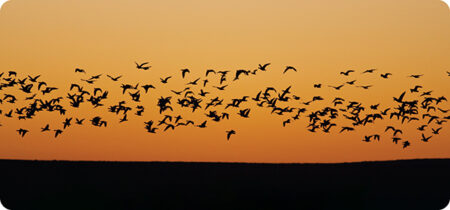
Migration, on the other hand, is a feat of endurance. Birds prepare for migratory flights by engaging in a process called hyperphagia, leading to the accumulation of adipose tissue. This stored fat is the most efficient energy source, providing approximately 9 kilocalories per gram, compared to carbohydrates and proteins which yield around 4 kilocalories per gram. A single long-distance migratory flight can deplete a bird’s entire fat reserves. For example, the Arctic Tern, which undertakes the longest known migration, traveling between its Arctic breeding grounds and Antarctic wintering grounds, relies entirely on stored fat to complete its journey, covering distances of up to 44,000 miles round trip annually.
Broader Ecological Implications and Data
The health of backyard bird populations is intrinsically linked to the availability of suitable food sources, especially during critical transitional periods. Declines in insect populations, habitat fragmentation, and the effects of climate change can all exacerbate the challenges birds face. By providing supplementary feeding, individuals can help mitigate some of these pressures.
Data from citizen science projects, such as the Cornell Lab of Ornithology’s eBird program, highlight the importance of migratory stopover sites, areas where birds can rest and refuel. Backyards, when properly managed, can function as vital, albeit smaller-scale, stopover locations. Trends observed in eBird data can indicate shifts in migratory patterns and population health, underscoring the need for continued support of avian well-being. For instance, consistent reporting of certain species at feeders during September could indicate their reliance on these supplementary resources during their migration.
Expert Perspectives and Educational Resources
John James Audubon, the renowned ornithologist and artist, documented the arduous journeys of migratory birds in the 19th century, noting their remarkable ability to replenish their energy reserves. Modern ornithology continues to build upon this foundational understanding.

Brian Schmidt, a seasoned ornithologist and educator with the Wild Birds Unlimited organization, emphasizes the interconnectedness of backyard ecosystems. "September is a pivotal month," Schmidt states. "It’s not just about providing food; it’s about providing the right food that meets the specific, heightened nutritional demands of molting and migrating birds. When we do this, we’re not just feeding birds; we’re actively contributing to the success of their incredible life cycles."
The organization further supports this educational mission through resources like the WBU Nature Centered Podcast. An episode titled "Basics of Transition" delves into the intricacies of avian behavior during this season, offering practical advice for backyard bird enthusiasts. Hosted by experts John and Brian, the podcast aims to equip listeners with the knowledge to attract a wider variety of birds and derive greater enjoyment from observing their seasonal activities. This type of accessible, expert-driven content plays a crucial role in fostering public understanding and engagement with conservation efforts.
Conclusion: A Season of Giving Back
The transition of seasons, marked by the vibrant shift from summer to autumn, presents a compelling call to action for those who cherish the presence of birds in their lives. The challenges faced by avian populations during molting and migration are significant, demanding a focused approach to supplementary feeding. By understanding their specific nutritional needs—a profound requirement for high-fat and high-protein foods—backyard observers can transform their outdoor spaces into vital refueling stations. Offering a diverse array of high-quality bird foods, such as WBU Plus Blends, peanuts, Nyjer®, sunflower chips, suet, and Bark Butter®, is a tangible way to support these remarkable creatures through one of the most critical periods of their annual cycle. The rewards are manifold: not only do these actions contribute to the survival and well-being of birds, but they also offer the profound satisfaction of witnessing the natural world thrive, right outside one’s window, a testament to the power of informed, compassionate stewardship. The subtle shifts in avian behavior, the vibrant plumage of newly molted feathers, and the determined flight of migrating flocks all serve as powerful reminders of nature’s enduring resilience and our capacity to play a supportive role in its grand, ongoing narrative.
