
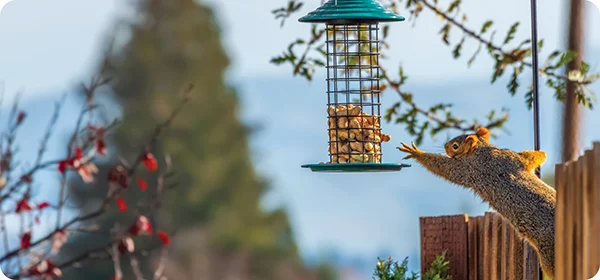
The allure of a well-stocked bird feeder can unfortunately extend beyond our feathered friends, often attracting a host of other backyard inhabitants. From agile squirrels to flocks of opportunistic birds, these uninvited guests can quickly deplete seed supplies, damage feeders, and ultimately disrupt the intended enjoyment of backyard birding. Recognizing this common challenge, Wild Birds Unlimited (WBU), a leading franchise system dedicated to backyard bird feeding and nature, has provided expert guidance and practical solutions for enthusiasts seeking to maintain their feeders for their intended avian visitors. This comprehensive approach aims to re-establish control and preserve the delicate balance of the backyard ecosystem.
Understanding the "Critter" Phenomenon
The presence of non-avian visitors at bird feeders is a natural consequence of providing a readily accessible food source. For many wild animals, especially small mammals like squirrels and chipmunks, finding sustenance is a constant endeavor. Bird feeders, often perceived as an abundant and easily obtainable "buffet," present an attractive opportunity. Similarly, certain bird species, often referred to as "nuisance birds," can congregate in large numbers, overwhelming feeders and consuming food at an accelerated rate. This phenomenon is not new; backyard bird feeding has a long history, and the challenges associated with protecting feeders from unwanted visitors have evolved alongside the popularity of the hobby.
Data from the U.S. Fish and Wildlife Service’s National Survey of Fishing, Hunting, and Wildlife-Associated Recreation indicates that millions of Americans engage in bird feeding activities annually. This widespread participation underscores the significant interest in observing wildlife, but also highlights the potential for conflict when feeder management becomes an issue. The economic implications are also noteworthy, with consumers investing considerable sums in feeders, seed, and accessories. When these investments are compromised by persistent critters, it can lead to frustration and a diminished experience for the bird enthusiast.
Strategies for Squirrel-Proofing Feeders
Squirrels, members of the rodent family, are renowned for their agility, problem-solving skills, and persistent nature. Their ability to climb, jump, and manipulate objects makes them particularly adept at raiding bird feeders. Left unchecked, they can consume vast quantities of birdseed, leading to significant financial losses for feeders and potentially damaging the feeders themselves through gnawing and forceful attempts to access the food.
Pole-Mounted Feeder Solutions:
For feeders mounted on poles, the strategic placement of baffles is a cornerstone of squirrel deterrence. Stovepipe baffles, essentially smooth metal cylinders, are highly effective when installed correctly. According to WBU’s recommendations, these baffles should be positioned on the pole at least five feet above the ground. Crucially, the entire pole system, including the feeder, must be situated at least ten feet away from any potential launching points such as trees, bushes, fences, or other elevated structures. This distance prevents squirrels from making a direct jump onto the feeder. By creating an insurmountable barrier, this setup effectively transforms a standard pole-mounted feeder into a squirrel-proof bird feeder.
Hanging Feeder Solutions:
Feeders suspended from trees or other overhead structures present a different set of challenges. In such cases, a domed squirrel baffle can be employed. This type of baffle is designed to be placed directly above the feeder. Its broad surface acts as a physical barrier, preventing squirrels from descending along the hanging wire or chain. When used in conjunction with tube or hopper feeders, which are designed to be accessed from below, the domed baffle creates a dual layer of protection. The feeder itself must also be accessible only from above to maximize the effectiveness of this strategy.
Exclusion Cages:

An alternative approach involves retrofitting feeders with exclusion cages. These cages are essentially wire enclosures that surround the feeder. They are designed with openings of a specific size, large enough to allow smaller birds to pass through but too small for squirrels and larger, more aggressive birds to enter. Exclusion cages come in various dimensions, making them adaptable to a wide range of feeder types and sizes. This method provides a physical barrier that directly prevents larger animals from reaching the food.
Managing "Nuisance" Birds
The term "nuisance birds" is often applied to species that congregate at feeders in such large numbers that they dominate the feeding area, prevent preferred bird species from accessing food, and rapidly consume valuable seed supplies. While these birds are also part of the natural environment, their overwhelming presence can diminish the enjoyment of backyard bird feeding for enthusiasts who aim to attract a wider variety of species.
Strategic Food Selection:
The type of birdseed offered plays a significant role in attracting or deterring certain species. Certain seeds, such as cracked corn and millet, are highly favored by many "nuisance" bird species, including starlings and grackles. By avoiding these ingredients and opting for more selective seeds, feeders can influence the bird species that visit.
- Safflower Seed: This is a prime example of a seed that is often overlooked by common nuisance birds but is highly attractive to many desirable species like cardinals, chickadees, and titmice. Its slightly bitter taste deters starlings and house finches, allowing smaller birds to feed undisturbed.
- Pure Suet: While suet blends can be appealing to a wide range of birds, pure suet cakes are often ignored by starlings. This makes them an excellent choice for attracting woodpeckers, nuthatches, and other cavity-nesting birds without attracting large flocks of starlings.
Feeder Design and Engineering:
Beyond food selection, the design of the bird feeder itself can be engineered to favor smaller birds and discourage larger ones.
- Weight-Activated Feeders: These innovative feeders feature feeding ports that are designed to close when a heavier bird or animal lands on them. They can be calibrated to exclude squirrels and larger bird species, allowing only lighter birds to access the seed.
- Caged Feeders: As mentioned previously, feeders with built-in exclusion cages are highly effective. These cages have openings that permit smaller birds to enter and feed while blocking larger birds and mammals.
- Perch Design: Feeders with short perches, or no perches at all, can also deter larger birds. Small birds are typically able to cling to feeding ports or perches of limited length, whereas larger birds may find it difficult to maintain their balance or gain access.
Expert Advice and Resources
The challenge of critter management at bird feeders is a common concern for backyard birding enthusiasts. Recognizing this, Wild Birds Unlimited emphasizes the importance of expert guidance and has developed a range of resources to assist customers.
In-Store Consultation:
Certified Bird Feeding Specialists® at Wild Birds Unlimited stores are trained to provide personalized advice on critter solutions. They can assess individual backyard setups, recommend appropriate feeders and baffles, and suggest the most effective seed mixes for specific regional bird populations and desired species. This hands-on approach ensures that customers receive practical and tailored solutions.
Educational Platforms:

Beyond in-store consultations, WBU leverages various platforms to disseminate information. The "Nature Centered Podcast" serves as an educational resource, featuring episodes dedicated to topics such as "Critter Solutions." This provides an accessible and informative way for individuals to learn about effective strategies from the comfort of their homes. The company’s website also serves as a hub for information, offering articles, product recommendations, and links to its podcast.
Timeline of Solutions and Evolution:
The development of critter solutions has evolved over time, driven by consumer demand and advancements in feeder technology.
- Early 20th Century: As backyard bird feeding gained popularity, early solutions likely involved basic deterrents such as placing feeders high on poles or in open areas.
- Mid-to-Late 20th Century: The development of more sophisticated baffles, such as the stovepipe and domed designs, marked a significant step forward in squirrel deterrence. The concept of weight-activated feeders also began to emerge.
- Late 20th Century to Present: The market has seen an increase in specialized feeders with integrated exclusion cages and advanced weight-sensitivity mechanisms. The understanding of bird seed preferences and their impact on attracting specific species has also become more refined, leading to more targeted food recommendations. Wild Birds Unlimited, as a specialized retailer, has been at the forefront of introducing and educating consumers about these evolving solutions.
Broader Impact and Implications
The effective management of backyard bird feeders has implications that extend beyond individual enjoyment.
- Conservation: By providing a reliable food source that is accessible to native bird populations, well-managed feeders can supplement natural food supplies, particularly during harsh weather conditions. This can contribute to the overall health and survival of local bird populations.
- Ecosystem Health: Understanding and implementing critter solutions helps maintain a healthier backyard ecosystem. By preventing the overconsumption of seed by non-target species and minimizing damage to feeders, enthusiasts contribute to a more balanced environment.
- Economic Activity: The bird feeding industry represents a significant economic sector, supporting manufacturers, retailers, and related services. Providing solutions to common challenges ensures the continued engagement and investment of consumers in this hobby.
- Education and Awareness: The process of managing feeders and observing wildlife fosters a greater appreciation for nature. The educational resources provided by organizations like Wild Birds Unlimited play a crucial role in raising awareness about local wildlife and the importance of conservation.
In conclusion, the challenge of "critters" at backyard bird feeders is a common, yet manageable, aspect of the hobby. Through a combination of strategic feeder placement, the use of specialized baffles and cages, and a thoughtful selection of birdseed, enthusiasts can effectively deter squirrels and large nuisance birds. Expert guidance from retailers like Wild Birds Unlimited, coupled with educational resources, empowers individuals to create a harmonious backyard environment where both birds and their human admirers can thrive. The ongoing evolution of feeder technology and a deeper understanding of wildlife behavior continue to offer innovative solutions for this enduring backyard conundrum.
