
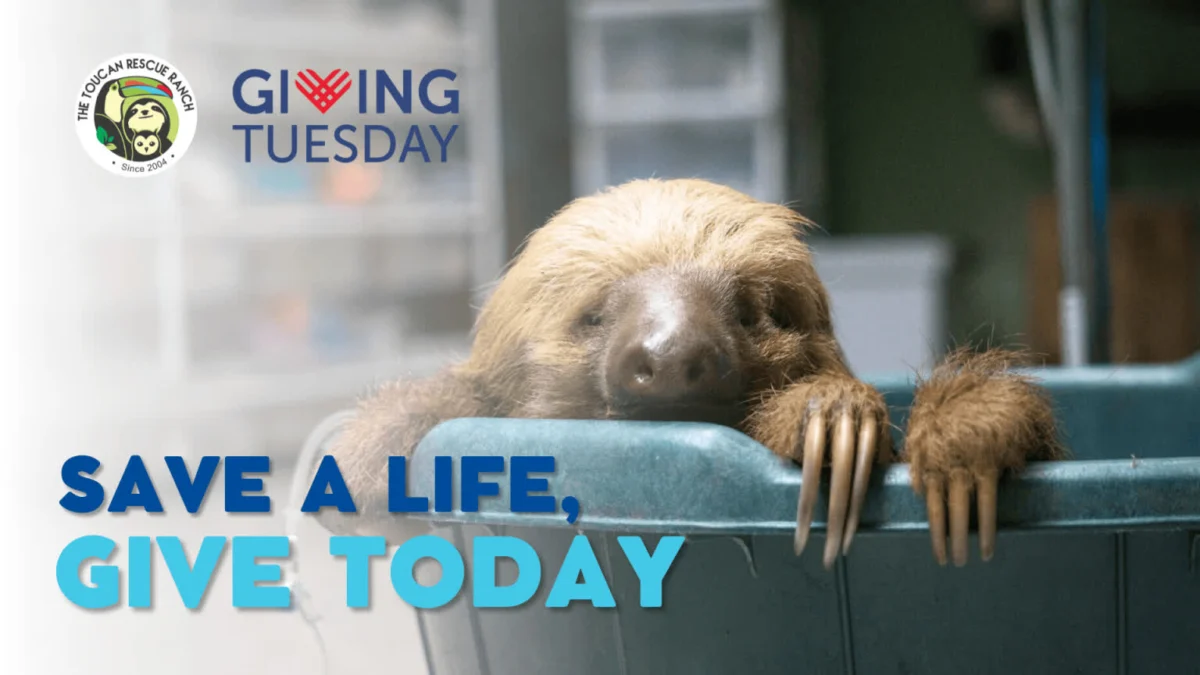
The Toucan Rescue Ranch, a prominent Costa Rican nonprofit organization dedicated to the rescue and rehabilitation of native species, has officially launched its Giving Tuesday fundraising campaign in response to an unprecedented surge in wildlife emergencies. As the global community prepares for the annual day of charitable giving, the organization has revealed that 2024 is on track to be the busiest year in its 20-year history, with the number of animals arriving at the sanctuary already surpassing the total intake of the previous year. This surge in demand has placed significant strain on the facility’s resources, prompting an urgent appeal for international support to fund the medical treatment, nutritional needs, and rewilding efforts for hundreds of vulnerable creatures.
The Giving Tuesday Initiative and the Mission of Toucan Rescue Ranch
Giving Tuesday, established in 2012 as a global movement to encourage philanthropy and celebrate generosity, serves as a critical financial milestone for small, donor-funded organizations. For the Toucan Rescue Ranch (TRR), this year’s campaign is not merely a seasonal tradition but a vital lifeline. Operating as a nonprofit that relies entirely on private donations and grants, TRR focuses on a three-pillar approach to conservation: rescue, rehabilitation, and rewilding.
The mission of the ranch extends beyond the immediate medical stabilization of animals. It encompasses a comprehensive long-term strategy that includes scientific research, community education, and the eventual release of animals back into their natural habitats. The organization treats a diverse array of species, ranging from its namesake toucans and other tropical birds to sloths, owls, and small mammals. By providing a safe haven for those affected by environmental and human-induced trauma, TRR aims to ensure the continued survival of Costa Rica’s world-renowned biodiversity.
Two Decades of Adaptation: The Evolution of Wildlife Care
Founded two decades ago, the Toucan Rescue Ranch has evolved from a small-scale rescue operation into a sophisticated medical and rehabilitation center. Over the past 20 years, the organization has witnessed a shift in the nature of wildlife emergencies. While early cases often involved isolated incidents of injured birds, the modern landscape of wildlife rescue in Costa Rica is increasingly defined by complex human-wildlife conflicts.
The organization reports that the primary drivers of wildlife distress currently include electrocutions from uninsulated power lines, vehicle strikes on expanding road networks, and the persistent threat of the illegal pet trade. Each of these challenges requires specialized veterinary care and long-term behavioral monitoring. For instance, an animal recovering from an electrocution may require months of wound management and physical therapy before it can be considered for rewilding. The ranch’s commitment to adapting its protocols to meet these evolving threats has been a hallmark of its two-decade tenure in the region.
Analyzing the 2024 Surge: A Record-Breaking Year for Emergencies
The statistical data released by the Toucan Rescue Ranch paints a sobering picture of the current state of wildlife in Costa Rica. In 2023, the facility received over 400 vulnerable animals, a figure that was considered high at the time. However, data from 2024 indicates a sharp escalation in arrivals. By July of this year, the ranch had already surpassed the total number of rescues recorded in the entirety of 2023.
If the current trajectory continues, the organization will face the highest number of wildlife emergencies since its inception in 2004. This increase is attributed to several factors, including increased urbanization encroaching on natural habitats and a greater public awareness that leads to more citizens reporting injured animals to the authorities. While the high number of rescues reflects a successful reporting system, it also necessitates a doubling of efforts regarding staffing, medical supplies, and enclosure space.
The Orphan Crisis: Specialized Care for the Next Generation
Among the most pressing challenges cited by the ranch is the high percentage of orphaned animals currently in their care. Recent internal audits reveal that 41.8% of the animals residing at the facility are orphans. These individuals—often the offspring of mothers killed by cars or electrocution—require a different level of intervention than injured adults.
Raising an orphaned animal for successful rewilding is a labor-intensive process that can take years. Unlike adult animals that already possess survival skills, orphans must be taught how to forage, recognize predators, and navigate their environment without imprinting on human caregivers. This "soft release" process requires specialized enclosures that minimize human contact and simulate the natural canopy. The financial burden of providing specialized milk formulas, 24-hour monitoring, and species-specific dietary requirements for such a large portion of the population is a primary driver behind this year’s $8,000 fundraising goal.
Identifying the Primary Threats: Human-Wildlife Conflict
The Toucan Rescue Ranch emphasizes that the majority of their cases are preventable and rooted in human activity. The organization has identified three major areas of concern:
- Electrocution: As Costa Rica’s infrastructure expands, many arboreal animals like sloths and monkeys use power lines as "aerial bridges" when natural canopy connections are severed. Uninsulated lines result in catastrophic burns and limb loss.
- Road Ecology Issues: High-speed transit through fragmented forests leads to frequent vehicle-wildlife collisions. These incidents often result in severe head trauma or complex fractures that require expensive surgical intervention.
- Illegal Wildlife Trade: Despite strict environmental laws in Costa Rica, animals are still frequently taken from the wild to be sold as pets. Animals rescued from the trade often suffer from malnutrition and psychological distress, requiring extensive rehabilitation before they can be considered for release.
By documenting these cases, the Toucan Rescue Ranch provides essential data to government bodies and environmental agencies, advocating for better infrastructure—such as wildlife bridges and insulated wiring—to mitigate these risks at the source.
The Rewilding Process: From Infirmary to the Jungle
Rewilding remains the ultimate objective of the Toucan Rescue Ranch. This process is divided into distinct phases: stabilization, rehabilitation, and release. Upon arrival, an animal is triaged in the medical clinic, where veterinarians address life-threatening injuries. Once stable, the animal moves to the rehabilitation phase, where it regains strength and practices natural behaviors.
The final stage, rewilding, is the most critical. The ranch utilizes various release sites across Costa Rica to ensure that animals are returned to ecosystems where they can thrive and contribute to the local gene pool. This stage involves significant logistical costs, including transportation to remote areas and post-release monitoring to ensure the animal’s successful integration. The organization maintains that "giving the voiceless a voice" means ensuring these creatures regain their independence in the wild where they belong.
Financial Objectives and the Impact of Small Donations
The current Giving Tuesday campaign has set a target of $8,000 to cover the immediate shortfall caused by the record-breaking influx of animals. The ranch has structured its appeal to demonstrate the direct impact of various donation levels, emphasizing that all contributions are tax-deductible.
- $10 to $25: These smaller contributions are often directed toward the purchase of specialized medical supplies, such as bandages and antiseptic treatments, or daily nutritional supplements for birds and mammals.
- $50 to $100: Donations at this level can fund diagnostic tests, such as X-rays and blood work, which are essential for creating accurate treatment plans for trauma victims.
- Major Contributions: Larger sums are allocated toward the maintenance of large-flight aviaries and pre-release enclosures, which are vital for the "rewilding" phase of rehabilitation.
The organization notes that as a donor-funded nonprofit, even the smallest contributions are cumulative and essential for maintaining the 24/7 care required for critically injured wildlife.
Broader Implications: Biodiversity and Global Responsibility
The work of the Toucan Rescue Ranch has implications that extend far beyond the borders of Costa Rica. As one of the most biodiverse countries on the planet, Costa Rica serves as a critical biological corridor between North and South America. The health of its wildlife populations is an indicator of the overall health of the region’s ecosystems, which play a vital role in carbon sequestration and global climate regulation.
Furthermore, the ranch’s focus on education and research provides a template for wildlife conservation in other tropical regions. By sharing data on rehabilitation techniques and the success rates of rewilded animals, TRR contributes to the global body of knowledge in conservation medicine. The Giving Tuesday campaign, therefore, represents an opportunity for the international community to participate in the protection of global biodiversity.
Conclusion: A Call for Collective Action
As the Toucan Rescue Ranch enters its third decade of operation, the challenges it faces are more daunting than ever. The record-high number of emergencies in 2024 underscores a growing crisis for Costa Rica’s native species, yet the organization remains committed to its purpose: to heal, rehabilitate, and return.
The Giving Tuesday initiative serves as a reminder that the survival of these animals depends on a partnership between conservationists and the public. By supporting the ranch’s mission, donors are not just funding a sanctuary; they are investing in the resilience of the natural world. In the words of the organization’s leadership, every animal that crosses their doors provides a renewed purpose to ensure that the wildlife of Costa Rica can thrive for generations to come. Through collective generosity, the "magic" of rehabilitation can continue to turn tragedy into a second chance for the wild.
