
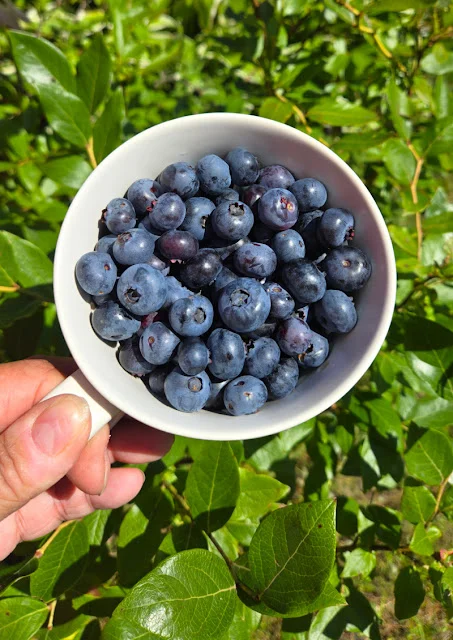
The integration of high-nutrient "superfoods" into the dietary regimens of backyard poultry has transitioned from a niche hobbyist practice to a significant trend in modern avian husbandry. Among the various supplemental treats available to flock owners, blueberries have emerged as a premier choice due to their dense concentration of essential vitamins, minerals, and bioactive compounds. While traditional poultry management relied almost exclusively on standardized commercial feeds, contemporary research and expert observations suggest that the strategic inclusion of fruits like blueberries can significantly enhance the physiological resilience and overall well-being of domestic chickens and ducks.
The Biochemical Profile of the Blueberry in Avian Nutrition
To understand why blueberries are categorized as a "superfood" for poultry, one must examine their complex biochemical composition. Blueberries are notably rich in Vitamin K and Vitamin C, both of which play pivotal roles in the avian biological system. Vitamin K is essential for the synthesis of proteins required for blood coagulation; for chickens, which are prone to minor injuries from pecking or environmental hazards, efficient blood clotting is a critical defense mechanism. Vitamin C, while synthesized naturally by chickens, can become a limiting factor during periods of heat stress or illness. Supplemental Vitamin C serves as a powerful antioxidant, neutralizing free radicals and supporting the immune response.

Furthermore, blueberries contain significant levels of manganese and potassium. Manganese is a trace mineral necessary for bone development and the formation of eggshells, while potassium is vital for maintaining electrolyte balance and proper muscle function. The presence of these minerals in a highly bioavailable form makes blueberries more than just a caloric treat; they are a functional food that supports the structural integrity of the bird.
Antioxidants and the Role of Anthocyanins
Perhaps the most significant attribute of the blueberry is its high concentration of antioxidants, specifically anthocyanins. These are the pigments responsible for the deep blue and purple hues of the fruit. In poultry, anthocyanins serve a multi-functional role in preventative health. Chronic inflammation is a common precursor to various avian diseases, and the anti-inflammatory properties of these pigments help in maintaining systemic health.
Research into avian oncology suggests that diets rich in antioxidants may offer a layer of protection against certain types of cellular mutations. While not a cure, the prophylactic benefit of antioxidant-rich snacks can contribute to a longer, healthier lifespan for the flock. Additionally, these compounds have been linked to improved cardiovascular health in birds, assisting in the regulation of blood pressure and reducing the risk of heart-related complications, which are particularly prevalent in certain heavy-bodied meat breeds and high-production laying hens.

Cognitive Function and Sensory Health
The impact of nutrition on the cognitive abilities of poultry is an area of increasing scientific interest. Blueberries have been shown to support mental cognitive function in various species, and observational data from experienced poultry keepers suggest that birds maintaining a diverse, nutrient-rich diet exhibit higher levels of alertness and environmental engagement.
Beyond cognitive health, the high levels of Vitamin A precursors and other phytonutrients in blueberries support ocular health. Maintaining sharp vision is essential for chickens, as they rely on visual cues for foraging, social hierarchy maintenance, and predator detection. By supporting the retinas and overall eye function, blueberries help ensure that birds remain active and capable participants in their environment.
Digestive Efficiency and the Prebiotic Effect
The avian digestive tract is a complex system that relies on a delicate balance of microflora. Blueberries contribute to this balance through two primary mechanisms: fiber content and prebiotic action. The dietary fiber found in the skins and flesh of the berries aids in the mechanical movement of food through the digestive tract, preventing stasis and improving nutrient absorption.

More importantly, blueberries contain natural prebiotics. Unlike probiotics, which are live beneficial bacteria, prebiotics serve as the "fuel" or food source for those beneficial bacteria. By providing the necessary substrate for healthy gut flora to thrive, blueberries indirectly optimize the digestive process. A healthy gut is the first line of defense for a chicken’s immune system, as it prevents the colonization of harmful pathogens like Salmonella or E. coli.
Chronology of Seasonal Supplementation and Varietal Differences
The practice of feeding blueberries often follows a seasonal chronology tied to agricultural harvests. In regions such as the Northeastern United States, particularly Maine, the distinction between native low-bush blueberries and cultivated high-bush varieties is significant. Native low-bush blueberries are often smaller and more concentrated in flavor and nutrients, while cultivated high-bush varieties provide more hydration due to their larger size and water content.
Expert poultry keepers, such as those following the "Fresh Eggs Daily" methodology, advocate for the use of both varieties. The chronology of supplementation typically peaks in the summer months when fresh fruit is abundant. However, the introduction of frozen or dried blueberries during the winter months can provide a necessary nutritional boost during the "off-season" when fresh forage is unavailable. This year-round approach ensures that the flock maintains a consistent level of antioxidant intake regardless of the weather.

Practical Management: Preparation and Safety Protocols
While blueberries are overwhelmingly beneficial, their administration requires adherence to specific safety protocols to prevent accidental harm. One primary concern is the potential for choking, especially in smaller breeds or juvenile birds (pullets). While most adult chickens can easily macerate a blueberry using their beaks and gizzards, cautious owners may choose to slice or halve the berries. This practice not only eliminates the choking hazard but also makes the interior nutrients more immediately accessible.
Another logistical consideration is the "cleanliness" of the feed. Like all fruits, blueberries can attract insects or mold if left uneaten in the coop. It is recommended to feed them in a controlled manner, ensuring that the birds consume the treat promptly. Furthermore, because blueberries are highly palatable, they are often used as a tool for "flock management"—training birds to return to the coop or allowing for easier physical inspections by luring them close with a handful of fruit.
The 10 Percent Rule: Maintaining Nutritional Equilibrium
A critical component of avian dietary science is the "10 percent rule." Commercial poultry feeds are scientifically formulated to provide a precise balance of proteins, fats, and minerals. Over-supplementing with treats, even healthy ones like blueberries, can lead to nutrient dilution. If a bird fills its crop with fruit, it may consume less of its balanced layer crumble or pellets, potentially leading to deficiencies in calcium or protein over time.

Veterinary consensus suggests that treats should not exceed 10% of a bird’s total daily caloric intake. For an average laying hen, this equates to approximately one to two tablespoons of supplemental food per day. Adhering to this limit ensures that the chicken receives the "superfood" benefits of the blueberries without compromising the structural integrity of its primary diet. This balanced approach is essential for maintaining consistent egg production and shell quality.
Broader Implications for the Backyard Poultry Industry
The shift toward incorporating high-quality fruits like blueberries into poultry diets reflects a broader change in the backyard poultry industry. As more consumers move toward "organic" and "natural" egg production, the health of the hen becomes a primary focus. There is a growing understanding that the quality of the egg is a direct reflection of the quality of the bird’s life and diet.
Eggs from hens fed a diverse diet including antioxidants and fresh greens often feature deeper yolk colors and are perceived to have superior nutritional profiles. This has economic implications for small-scale farmers and hobbyists who sell their eggs, as "pastured" or "supplemented" eggs often command a premium price in local markets.

Furthermore, the focus on preventative health through nutrition reduces the reliance on antibiotics and chemical interventions. By strengthening the immune system of the flock through natural means—such as the prebiotic and antioxidant properties of blueberries—owners can mitigate the risk of disease outbreaks, leading to a more sustainable and ethical form of animal husbandry.
Conclusion and Expert Recommendations
The evidence supporting the inclusion of blueberries in a chicken’s diet is robust, spanning from basic vitamin requirements to complex antioxidant protection. When administered within the parameters of the 10% rule and with attention to physical safety, blueberries serve as an exceptional tool for enhancing avian health. They support everything from the internal gut microbiome to the external quality of the feathers and eggs.
For the modern poultry keeper, the blueberry is more than a simple snack; it is a strategic investment in the longevity and productivity of the flock. As the backyard chicken movement continues to evolve, the emphasis on such "superfoods" will likely remain a cornerstone of best practices in natural poultry management. Owners are encouraged to integrate these fruits as part of a varied diet, alongside a comprehensive understanding of toxic foods to avoid, ensuring a safe and thriving environment for their birds.
