
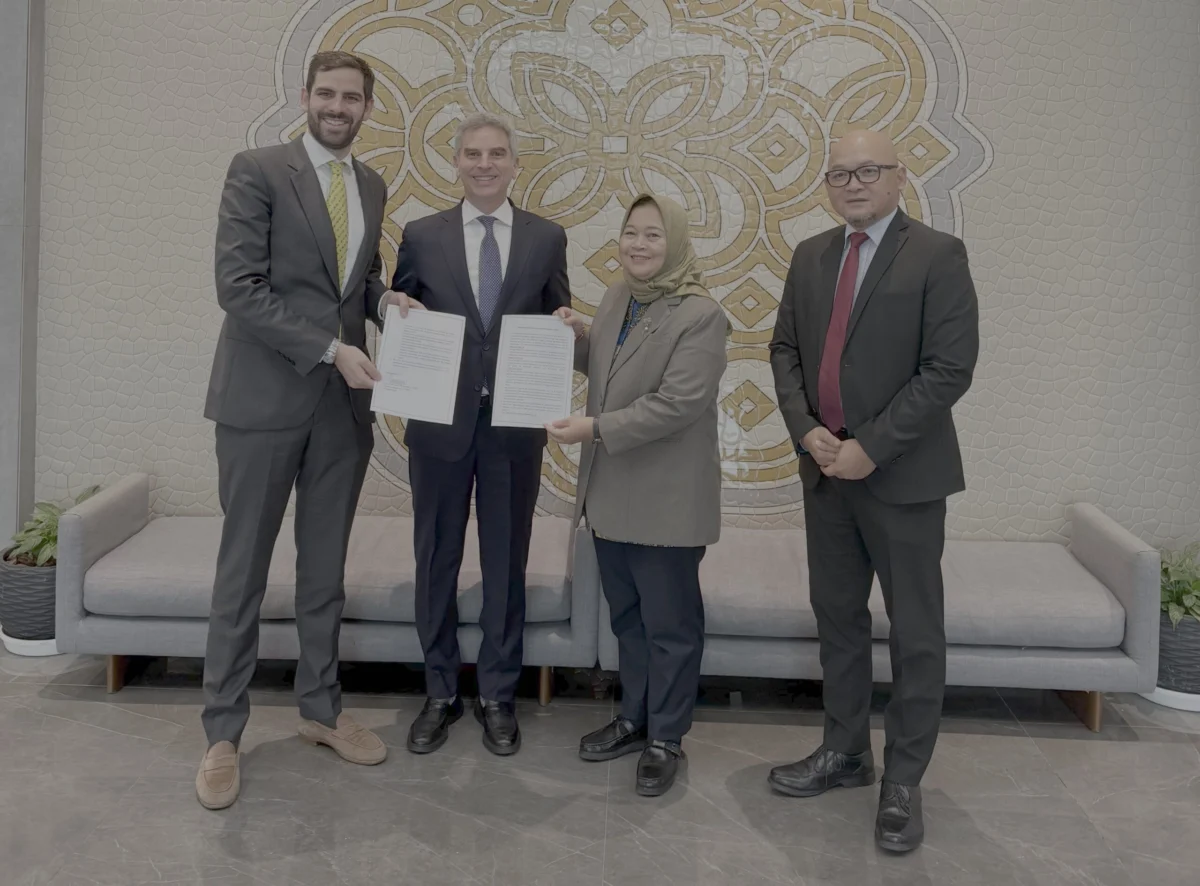
Abu Dhabi, UAE – January 15, 2026 – The Mangrove Breakthrough initiative has commenced the year 2026 with a significant achievement, securing the official endorsement of the Government of Indonesia, a nation renowned for harboring the world’s most extensive mangrove ecosystems. This pivotal endorsement, announced on the sidelines of the prestigious Abu Dhabi Sustainability Week, marks a substantial advancement in the global effort to protect and restore these vital coastal wetlands. Indonesia’s commitment to the Mangrove Breakthrough underscores its critical role in the initiative’s ambitious targets for mangrove conservation and restoration.
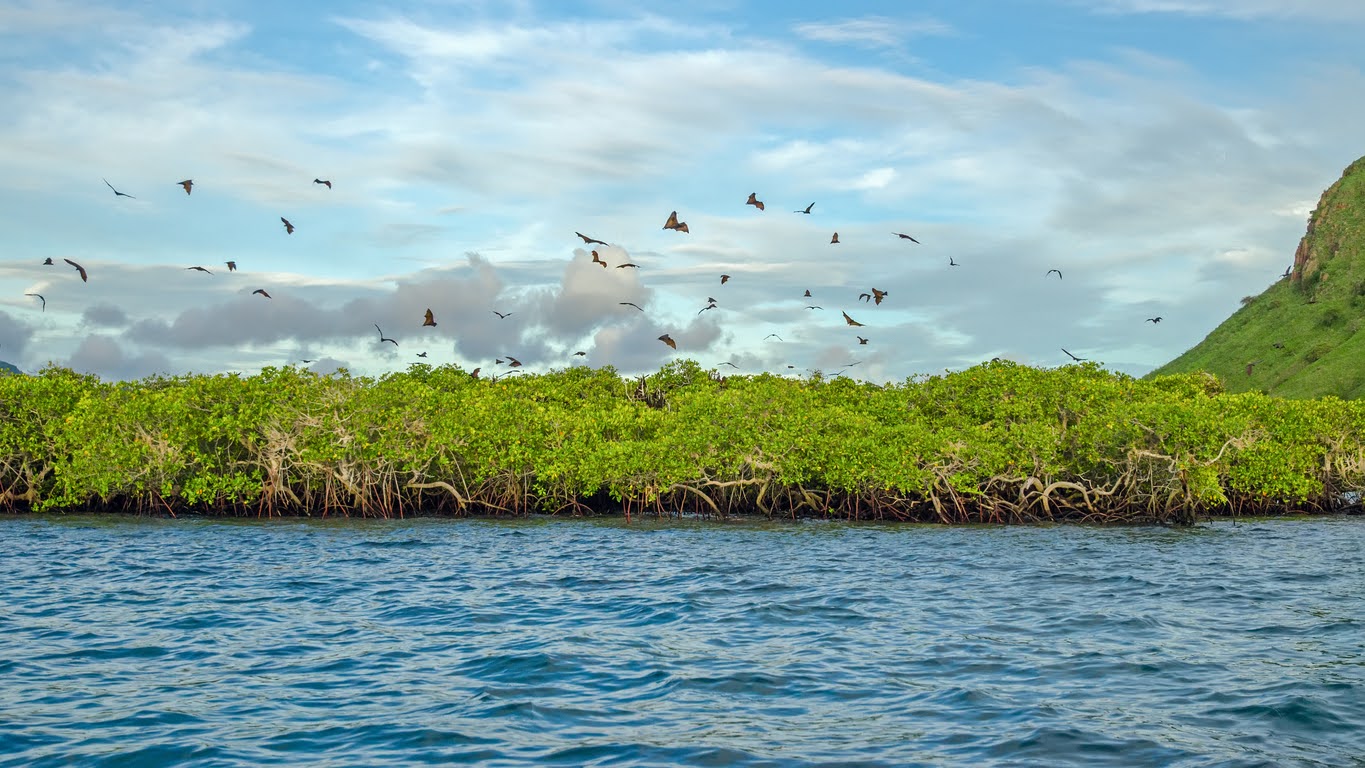
Indonesia is a global leader in mangrove coverage, boasting an estimated 3.44 million hectares, which accounts for approximately 23% of the world’s total mangrove reserves. These intricate coastal forests are more than just ecological wonders; they are lifelines for a significant portion of the Indonesian population. With roughly 60% of the country’s populace residing in coastal areas, mangroves are indispensable for ensuring food security, sustaining livelihoods, and providing crucial natural defenses against the escalating threats of storm surges and sea-level rise. Their ecological and economic importance to frontline communities across the vast Indonesian archipelago cannot be overstated.
The endorsement was formally conveyed by Zulkifli Hasan, the Coordinating Minister for Food Affairs of Indonesia. Minister Hasan stated, "The Indonesian government welcomes good intentions and endorses the Mangrove Breakthrough, which targets the protection and restoration of 15 million hectares of mangroves globally and the mobilization of USD 4 billion in funding by 2030. Indonesia, with 3.44 million hectares of mangroves, therefore, appreciates the support pledged by the Mangrove Breakthrough." This statement highlights Indonesia’s recognition of the initiative’s scale and its alignment with national conservation priorities.
Echoing the sentiment of commitment, Yus Rusila Noor, representing Wetlands International Indonesia and serving as the Chairperson of the Global Mangrove Alliance Indonesia Chapter, emphasized the collaborative spirit. "We are committed to supporting the Government of Indonesia in conserving and restoring Indonesia’s mangrove ecosystems," Noor stated. "Mangroves protect our coastlines, support food security and sustain coastal livelihoods. Our efforts today secure essential ecosystem services for people, nature, and future generations." This declaration signifies the active role of Indonesian conservation organizations in translating the national endorsement into tangible action on the ground.
Meizani Irmadhiany, Senior Vice President and Executive Chair of Konservasi Indonesia, a key implementing partner, underscored the significance of a science- and community-based approach. "We support the Government of Indonesia’s endorsement of the Mangrove Breakthrough as a meaningful step toward scaling science- and community-based mangrove protection," Irmadhiany commented. "Turning this commitment into impact will require strong local implementation, direct engagement of coastal communities, and sustained partnerships. Konservasi Indonesia stands ready to work with the government and local partners to deliver measurable ecological gains and sustainable economic benefits." This perspective emphasizes that the success of the Breakthrough hinges on effective local execution and the empowerment of communities directly dependent on mangrove ecosystems.
The Global Mangrove Alliance Indonesia Chapter, a coalition comprising Wetlands International, Konservasi Indonesia (CI), The Nature Conservancy (TNC) Indonesia, and WWF Indonesia, plays a pivotal role as the primary implementation partner for the Mangrove Breakthrough within the country. Their collective expertise and on-the-ground presence are crucial for translating the government’s commitment into effective conservation and restoration projects.
A Growing Global Momentum
Indonesia’s endorsement significantly amplifies the global momentum behind the Mangrove Breakthrough, an initiative launched in 2022 with the overarching goal of mobilizing USD 4 billion to protect and restore 15 million hectares of mangroves by the year 2030. The year 2026 represents a critical juncture, serving as a midpoint between the initiative’s inception and its ambitious deadline. This period is crucial for accelerating the implementation phase and ensuring progress towards the stated targets.
To date, the Mangrove Breakthrough has garnered endorsements from an impressive 48 national, state, and municipal governments. The year 2025 alone witnessed the accession of 12 new governments to the initiative, including the national governments of Brazil, Mexico, and Papua New Guinea. This expanding roster of signatories reflects a growing political will and a shared understanding of the urgency for mangrove conservation across diverse geographical regions that possess significant mangrove coverage.
The momentum generated in 2025 was further bolstered by the announcement of the Mangrove Catalytic Facility, designed to enhance investment readiness for mangrove projects. Since 2020, the initiative has tracked over 40 large-scale operations, each exceeding USD 1 million in value, which have collectively mobilized more than USD 750 million in mangrove-positive investments. The enthusiasm for nature-positive investments continues to grow, with partners at Capital for Climate identifying over USD 840 million in such investments across 56 projects that specifically include mangrove ecosystems.
Jennifer Howard, the Mangrove Breakthrough Council Chair and Vice President of Natural Climate Solutions at Conservation International, highlighted the collective impact of these endorsements. "With this news, Mangrove Breakthrough-endorsing countries are now home to more than 60% of the world’s mangrove extent," Howard stated. "Working with these countries, we are building the financial architecture and generating the political will needed to meet our collective 2030 targets." This statement underscores the strategic importance of aligning the efforts of nations with the largest mangrove areas to achieve the initiative’s global objectives.
Implications for Climate Resilience and Biodiversity
Indonesia’s commitment to the Mangrove Breakthrough is a powerful signal of its leadership in advancing nature-based solutions. This endorsement arrives at a critical time, preceding a series of significant global climate and biodiversity milestones scheduled for 2026. The integration of mangrove conservation into national policy frameworks is increasingly recognized as a crucial component of climate change adaptation and mitigation strategies.
Background Context:
The Mangrove Breakthrough initiative emerged from a growing global awareness of the multifaceted benefits provided by mangrove ecosystems. These include:
- Coastal Protection: Mangroves act as natural barriers, significantly reducing the impact of storm surges, tsunamis, and coastal erosion. Their dense root systems stabilize shorelines and dissipate wave energy.
- Carbon Sequestration: Mangroves are exceptionally effective at capturing and storing carbon dioxide from the atmosphere, often referred to as "blue carbon." They can store carbon at rates significantly higher than terrestrial forests, making them crucial allies in combating climate change.
- Biodiversity Hotspots: Mangrove forests provide critical habitats and nursery grounds for a vast array of marine and terrestrial species, including fish, crustaceans, birds, and mammals. Their degradation leads to significant biodiversity loss.
- Livelihood Support: Coastal communities often rely on mangroves for fishing, aquaculture, timber, and non-timber forest products. The health of these ecosystems directly impacts the economic well-being and food security of millions.
- Water Filtration: Mangrove root systems help filter pollutants from water, improving water quality in coastal areas.
Chronology of the Mangrove Breakthrough:
- 2022: The Mangrove Breakthrough is officially launched, outlining its ambitious goals of protecting and restoring 15 million hectares of mangroves and mobilizing USD 4 billion by 2030.
- 2023-2024: Initial phase of engagement, with early adopters endorsing the initiative and pilot projects beginning to take shape. Focus on building partnerships and refining implementation strategies.
- 2025: Significant growth in endorsements, with 12 new governments joining. The Mangrove Catalytic Facility is announced to accelerate investment readiness. Tracking of significant mangrove-positive investments begins.
- January 2026: Indonesia, home to the largest mangrove extent globally, endorses the Mangrove Breakthrough, marking a critical milestone at the start of the initiative’s midpoint year.
Supporting Data and Analysis:
The financial commitments tracked by the Mangrove Breakthrough are substantial. The more than USD 750 million mobilized since 2020, with an additional USD 840 million identified by Capital for Climate, demonstrates a growing appetite for investing in nature-based solutions. However, achieving the USD 4 billion target by 2030 requires a sustained and accelerated flow of finance. Indonesia’s endorsement is crucial in this regard, as it brings a nation with immense mangrove resources under the umbrella of coordinated global action.
The strategic implication of having countries representing over 60% of the world’s mangrove extent endorse the Breakthrough cannot be overstated. This concentration of commitment allows for more impactful, large-scale interventions and fosters an environment conducive to knowledge sharing and best practice dissemination. It also signals to potential investors that there is significant political backing for mangrove conservation, reducing perceived risks and encouraging further financial commitments.
The engagement of organizations like Wetlands International, Konservasi Indonesia, TNC, and WWF Indonesia is vital. Their on-the-ground expertise ensures that conservation efforts are not only ambitious in scale but also effective and sustainable at the local level, incorporating the needs and knowledge of coastal communities. This community-centric approach is a cornerstone of successful conservation initiatives.

Broader Impact and Future Outlook:
Indonesia’s endorsement is expected to galvanize further action from other nations, particularly those within the Indo-Pacific region, which holds a significant proportion of the world’s mangroves. As 2026 progresses, the focus will increasingly shift from commitment to concrete implementation. The success of the Mangrove Breakthrough will be measured by the tangible hectares restored and protected, the livelihoods enhanced, and the resilience of coastal communities strengthened.
The initiative’s success is intrinsically linked to its ability to bridge the gap between conservation goals and financial realities. The Mangrove Catalytic Facility, alongside ongoing efforts to track and mobilize investments, will be critical in this endeavor. As the world grapples with the escalating impacts of climate change and biodiversity loss, the role of healthy mangrove ecosystems as natural infrastructure and vital carbon sinks will only become more pronounced. Indonesia’s leadership, amplified by its endorsement of the Mangrove Breakthrough, offers a beacon of hope for the future of these invaluable coastal treasures and the communities they support.
About the Mangrove Breakthrough:
The Mangrove Breakthrough is a pioneering global movement dedicated to valuing, financing, and safeguarding mangrove ecosystems. Its mission is to foster radical collaboration, advance science-based financial and regulatory decisions, and invest in local leadership to protect and restore 15 million hectares of mangroves by 2030, mobilizing USD 4 billion in funding. More information can be found at www.mangrovebreakthrough.com.
