

Woodpeckers, a familiar and often cherished sight in backyards across North America, are far more than just visually appealing avian visitors. Their existence is a testament to remarkable evolutionary adaptations, allowing them to thrive in what could be described as a life of relentless physical exertion. These birds, known for their loyalty to feeders and the dynamic energy they bring to outdoor spaces, possess an extraordinary suite of physiological and anatomical features that enable them to endure a punishing daily routine. This article delves into the incredible resilience and specialized biology of woodpeckers, exploring the scientific reasons behind their remarkable toughness.
The Punishing Reality of a Woodpecker’s Life
The act of excavating a nest cavity or foraging for insects within tree bark is not for the faint of heart, or beak. Woodpeckers engage in an activity that, for most creatures, would result in severe injury. When a woodpecker strikes a tree’s surface to create a cavity, its head can reach impact speeds of up to 13 miles per hour. The force generated by such impacts is approximately 10 Gs. To put this into perspective, this level of force is significant enough to cause brain damage in many other bird species. For humans, the risk of concussion at this speed is considerably higher, with the human brain being three times more susceptible to injury than a woodpecker’s when subjected to similar forces. This constant, high-velocity head-banging is a defining characteristic of the woodpecker’s lifestyle, a stark contrast to the more sedentary habits of many other birds.
Anatomical Marvels: The Science Behind the Stamina
Scientists have extensively studied the physiological mechanisms that allow woodpeckers to withstand such repeated, forceful impacts. The key lies in a unique and highly specialized skull structure. Unlike the skulls of many other birds, a woodpecker’s skull is characterized by its lightweight, spongy, and air-filled bone. This porous structure, while seemingly delicate, is reinforced by an intricate meshwork of bony support struts, granting it exceptional strength and resilience.
Crucially, the woodpecker’s skull is proportionally small in relation to the size of its brain. This anatomical arrangement is a critical factor in preventing brain trauma. With less space for the brain to move freely within the cranial cavity, the likelihood of it rattling against the skull during severe impacts is significantly reduced. This tight fit acts as a natural protective system, minimizing the jarring forces that could otherwise lead to concussions or more serious neurological damage.
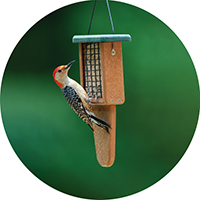
Furthermore, the woodpecker’s beak, an indispensable tool for its survival, also exhibits remarkable adaptations. The constant hammering against hard wood would logically lead to rapid wear and tear, potentially rendering the beak useless. However, specialized cells located at the tip of the beak are continuously regenerating lost material. This ongoing process ensures that the chisel-pointed beak remains robust and sharp, effectively self-sharpening with every forceful strike. This self-maintenance mechanism is vital for their ability to excavate effectively and access their primary food sources, such as insects and larvae hidden beneath bark.
Built-in Protective Gear: Natural Safety Equipment
Beyond the skull and beak, woodpeckers have evolved other ingenious adaptations to protect themselves during their demanding work. The expulsion of wood fragments during excavation can create a hazardous environment, akin to a miniature construction site. To mitigate this, woodpeckers possess a unique set of "safety equipment."
To prevent small particles of wood from entering their respiratory system, woodpeckers have developed a specialized "dust mask." This consists of tufts of stiff, bristle-like feathers that grow over their nostrils, effectively filtering out airborne debris. This natural filtration system ensures that their airways remain clear and protected from irritation and potential damage.
Similarly, woodpeckers have evolved their own version of "safety glasses." They possess a nictitating membrane, often referred to as a third eyelid. This transparent membrane can sweep across the eye, providing a protective barrier against flying wood chips and dust during excavation. This secondary eyelid allows the woodpecker to maintain visibility while simultaneously shielding its eyes from potentially harmful projectiles, a testament to the comprehensive nature of their evolutionary protection.
The Woodpecker’s Role in the Ecosystem
The ecological significance of woodpeckers extends beyond their impressive physical capabilities. As primary excavators, they play a crucial role in forest ecosystems. The cavities they create for nesting and roosting are not only essential for their own survival but also provide vital habitat for a wide array of other cavity-nesting species, including other birds, small mammals, and insects. This "ecosystem engineering" function makes woodpeckers keystone species in many environments, contributing to biodiversity and the health of forest communities.

The foraging habits of woodpeckers also contribute to forest health. By consuming large quantities of wood-boring insects and their larvae, they help to regulate insect populations, preventing widespread damage to trees. Their probing and drumming activities can also alert other animals to the presence of insects or potential predators.
Attracting Woodpeckers to Your Backyard
For those who wish to observe these remarkable birds more closely, attracting them to backyard feeders is a rewarding endeavor. Woodpeckers are drawn to a variety of food sources that mimic their natural diet. High-energy suet, particularly suet cakes enriched with insects or nuts, is a perennial favorite. No-melt dough formulations are also excellent options, especially in warmer climates.
Products specifically designed for woodpeckers, such as Bark Butter and specialized seed cylinders, are highly effective. These offerings often contain ingredients like tree nuts, seeds, and fats that cater to the woodpeckers’ dietary needs. Shelled peanuts and seed blends featuring high-fat ingredients like sunflower seeds and tree nuts are also attractive options.
The availability of appropriate food sources, coupled with the presence of suitable nesting and roosting sites, can transform a backyard into a haven for woodpeckers. Providing access to water, such as a bird bath, further enhances the appeal.
A Deeper Dive into Woodpecker Diversity
North America is home to a diverse array of woodpecker species, each with its unique characteristics and behaviors. Common backyard visitors include the Downy Woodpecker, the smallest and most widespread species, and the larger, more striking Hairy Woodpecker, which closely resembles the Downy but is distinguished by its larger size and lack of black barring on its white outer tail feathers.

The Red-bellied Woodpecker, despite its name, is more known for its striking red head and nape and the subtle reddish wash on its belly, rather than a bright red underside. These birds are often heard before they are seen, with their distinctive rolling calls. The Northern Flicker, a ground-foraging woodpecker, is another common species, recognizable by its spotted underside, black crescent on its chest, and the vibrant yellow or red shafts of its flight feathers (depending on the subspecies).
More specialized species, like the Pileated Woodpecker, the largest woodpecker in North America, are also found in wooded areas. Their impressive size and distinctive crest make them a magnificent sight. Observing the subtle differences in foraging techniques, drumming patterns, and vocalizations among these species can provide a deeper appreciation for their individuality and the adaptations that allow them to thrive in varied habitats.
The Importance of Conservation and Habitat Preservation
While woodpeckers are remarkably resilient, their populations can be affected by habitat loss and degradation. The availability of mature trees with dead or decaying sections is crucial for their nesting and foraging needs. Logging practices that remove snags and older trees can significantly impact woodpecker populations.
Conservation efforts that focus on preserving mature forests, creating habitat corridors, and managing woodlands to retain snags can benefit woodpeckers and the many other species that rely on them. Understanding their specific habitat requirements is essential for effective conservation strategies.
A Legacy of Resilience and Wonder
The woodpecker, a creature of persistent action and extraordinary resilience, embodies a fascinating intersection of biology and behavior. Their ability to withstand the physical toll of their daily lives is a marvel of natural engineering, a testament to millions of years of evolution. From their specialized skull structures and self-sharpening beaks to their built-in protective eyewear and dust masks, every aspect of their anatomy is finely tuned for survival.

For bird enthusiasts and nature observers, the woodpecker offers a unique opportunity to witness these incredible adaptations firsthand. By providing suitable food sources and habitat, we can invite these dynamic and tough birds into our yards, offering a window into the wonders of the natural world. Their presence serves as a constant reminder of the ingenuity and resilience that nature possesses, and the importance of preserving the environments that allow such remarkable creatures to flourish. The ongoing research into woodpecker physiology not only deepens our understanding of avian biology but also offers potential insights into biomimicry and the design of materials and protective systems for human applications, further underscoring the profound impact of studying even the most common of our feathered neighbors.
